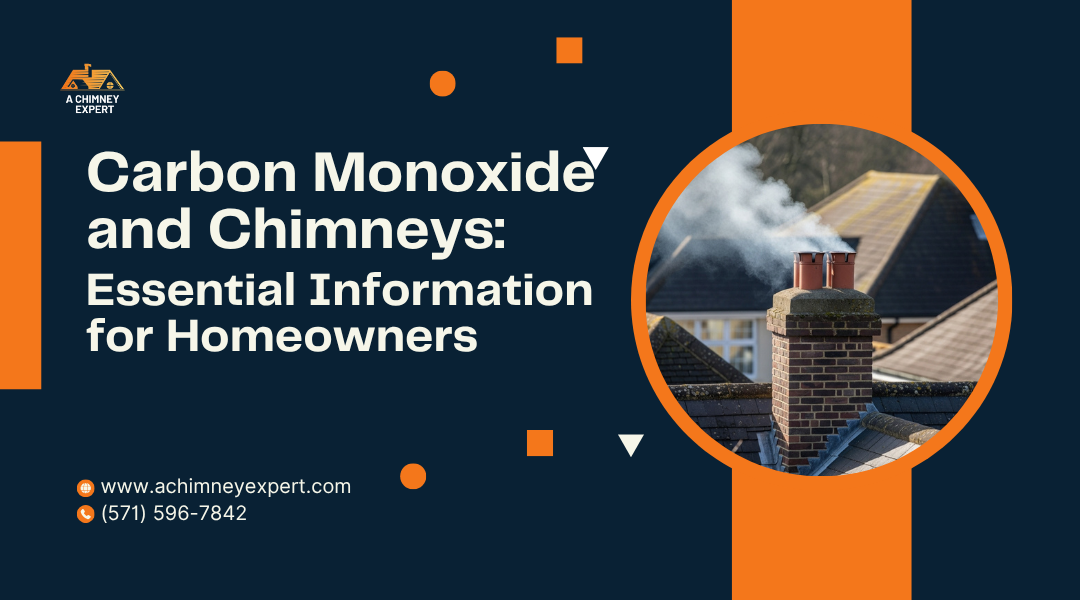
Carbon monoxide is a serious threat that many homeowners overlook, especially when using fireplaces during colder months. Understanding how to prevent carbon monoxide from affecting your home is crucial for your family’s safety. Chimneys serve an essential role in venting gases, yet if they are blocked or damaged, they can allow this odorless gas to enter your living space.
Using seasoned firewood can also help reduce the risk of carbon monoxide buildup. This type of wood produces less smoke and harmful emissions compared to unseasoned wood. Regular maintenance of your chimney is vital to ensure it operates safely and efficiently. Familiarizing yourself with the signs of potential issues can make a big difference in keeping your home and loved ones safe.
At A Chimney Expert LLC, based in Oak Grove, Virginia, we specialize in comprehensive chimney services to help you stay protected. Whether you need a thorough inspection, cleaning, or repair, our experienced team is here to assist you. Ensuring your chimney is in top shape is an important step towards protecting your home from the dangers of carbon monoxide.
What Is Carbon Monoxide and Why Is It Dangerous?
Carbon monoxide (CO) is a serious concern for homeowners. It is a toxic gas that can be deadly, yet it often goes unnoticed. Understanding its properties, common sources, and the symptoms of poisoning is essential for keeping your home safe.
Properties of Carbon Monoxide (Colorless, Odorless, Deadly)
Carbon monoxide is a colorless, odorless, and tasteless gas, which makes it extremely dangerous. Because you cannot see or smell it, it’s often called a “silent killer.” When inhaled, CO can prevent your blood from carrying oxygen, leading to serious health issues. Even a small amount can be harmful, especially over time.
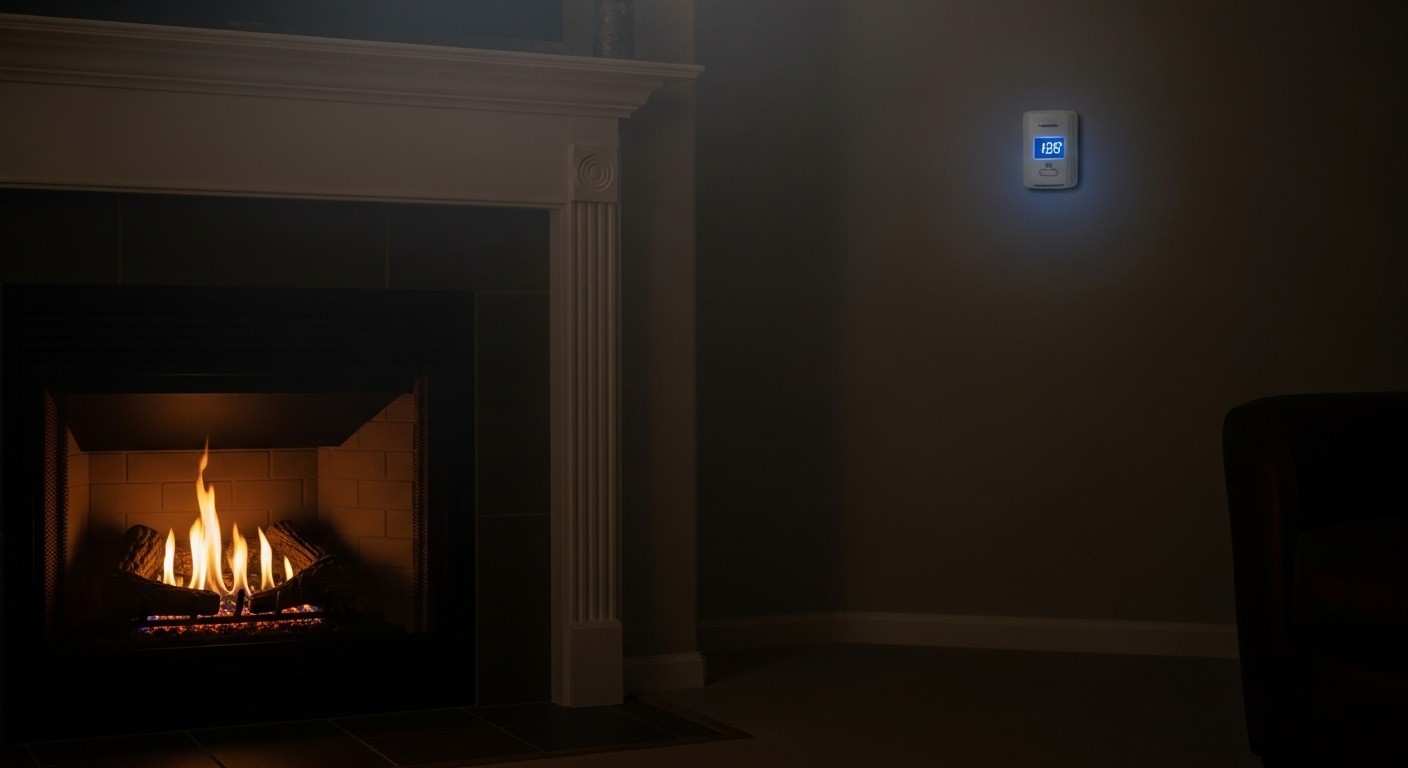
At high levels, CO can cause unconsciousness or death within minutes. Because of these dangerous characteristics, having a reliable CO detector in your home is crucial. It can alert you before levels become life-threatening.
Common Sources of CO in the Home
Many common household items produce carbon monoxide. Here are some key sources:
- Furnaces: Gas and oil furnaces can emit CO if they malfunction.
- Stoves and Ovens: Using gas stoves for heating can increase CO levels.
- Generators: Portable generators that are used indoors or near windows are very risky.
- Cars: Running cars in attached garages can lead to CO buildup.
- Charcoal Grills: Using these indoors can produce deadly fumes.
By being aware of these sources, you can take steps to reduce your risk. Regular maintenance of appliances is also critical in preventing carbon monoxide leaks.
Symptoms of CO Poisoning and Its Health Impact
Recognizing carbon monoxide poisoning is vital for your health. Symptoms can vary but often include:
- Headaches: A common early sign.
- Dizziness: Feeling faint or light-headed.
- Nausea: You may feel sick to your stomach.
- Confusion: Difficulty thinking clearly.
Long-term exposure can lead to serious health issues, including brain damage or death. If you suspect CO poisoning, seek fresh air immediately and contact emergency services. Quick action can save lives.
Staying informed about carbon monoxide is essential for your safety and the safety of your family.
The Role of Chimneys in Carbon Monoxide Ventilation
Chimneys play an essential role in ensuring that combustion gases, including carbon monoxide, safely exit your home. Understanding how they function and the risks associated with malfunctions is vital for your safety.
How Chimneys Are Designed to Exhaust Gases
Chimneys are specifically designed to guide combustion gases away from living spaces. They create a draft that pulls toxins, such as carbon monoxide, up and out of your home.

The flue, which is the inner part of the chimney, is crucial in this process. It must be properly sized to allow for efficient airflow. If the flue is too small, gas can build up, leading to dangerous situations.
Chimneys also feature caps that prevent debris, animals, and water from entering, ensuring that the pathway remains clear for gas expulsion. Regular maintenance, including cleaning and inspection, keeps your chimney functioning effectively.
What Happens When Chimneys Malfunction
When a chimney malfunctions, it can lead to serious risks. Blockages are one of the most common issues. Soot, leaves, or even animal nests can block the chimney flue, preventing combustion gases from escaping.
If these gases cannot exit, they may flow back into your home. This creates a dangerous environment where carbon monoxide levels can rise, posing serious health risks.
Neglecting regular chimney maintenance could cause other issues as well. Cracks in the chimney structure can allow harmful gases to seep into living spaces, increasing the risk of poisoning.
Risks of Improper Venting and Drafting Issues
Improper venting or drafting issues can lead to a buildup of carbon monoxide in your home. A well-designed chimney creates a specific pressure balance that allows gases to exit efficiently.
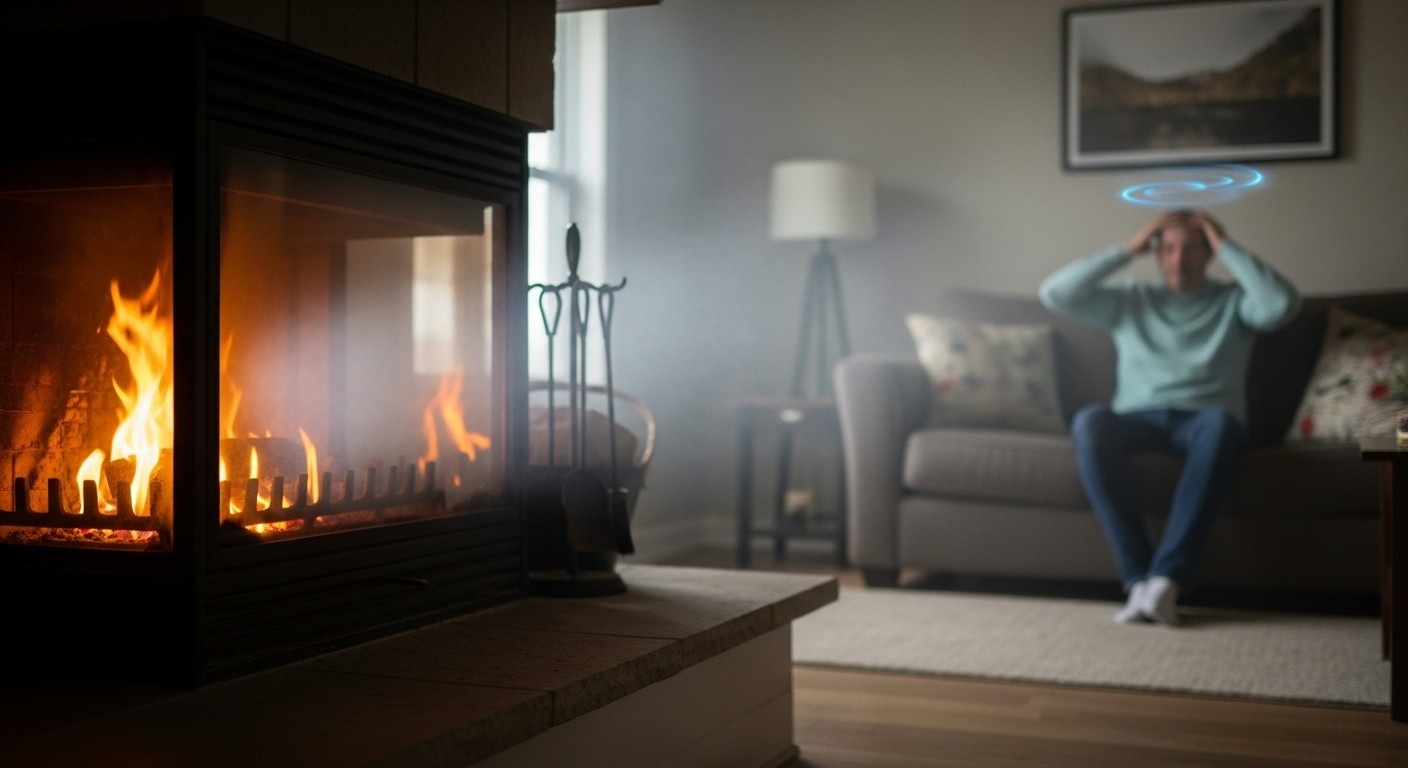
If your chimney does not maintain this balance, harmful gases may enter your living areas. Symptoms of carbon monoxide exposure can include headaches, dizziness, and fatigue, which might be mistaken for other illnesses.
You should ensure your chimney is not only clean but also correctly aligned and free from obstructions. Regular inspections by a professional can help identify potential problems before they become serious, protecting you and your family from the dangers of carbon monoxide.
How Chimney Issues Lead to Carbon Monoxide Exposure
Chimney problems can create serious risks for homeowners. Understanding how these issues lead to carbon monoxide exposure helps you protect your home and family from toxic gases. Here are some common problems to be aware of.
Blocked Flues from Debris, Creosote, or Animal Nests
A blocked flue is one of the primary causes of carbon monoxide buildup. Debris like leaves, twigs, or soot can clog the flue, preventing toxic gases from escaping.
Creosote buildup, which is a byproduct of burning wood, can coat the inside of the chimney. If not cleaned regularly, this buildup becomes a fire hazard and can block vents.
Additionally, animal nests may obstruct airflow in flues. These blockages can force carbon monoxide back into your home instead of allowing it to exit safely.
Cracked or Damaged Flue Liners
Flue liners protect the chimney and prevent gases from leaking into your home. If your flue liner is cracked or damaged, it may allow carbon monoxide to seep into living spaces.
This can occur from age, weather, or the expansion and contraction of materials. A compromised liner can also lead to chimney fires, which can further damage the chimney structure.
Inspecting and repairing flue liners is critical to maintaining safe ventilation. Regular maintenance can help catch these issues before they become serious problems.
Negative Air Pressure and Backdrafting Problems
Negative air pressure can create backdrafting issues in your home. This happens when the air pressure inside your home is lower than outside. Appliances such as furnaces and gas stoves may struggle to vent properly, causing carbon monoxide to flow back into the home.
Backdrafting can lead to dangerous levels of carbon monoxide, especially if other vents are blocked. You might notice this issue on windy days when your chimney fails to draw air properly.
Using exhaust fans or other fuel-burning appliances simultaneously can exacerbate this issue. Regular checks on your chimney and appliances can help prevent these conditions.
Aging or Poorly Maintained Heating Appliances
Older or poorly maintained heating appliances can also contribute to carbon monoxide exposure. Systems that are not functioning correctly may produce higher levels of toxic gases.
Faulty gas appliances can leak carbon monoxide directly into the home. You should have your heating systems inspected annually to ensure proper functioning.
Understanding the age and condition of your heating systems helps you take preventive measures. Investing in regular maintenance can reduce the risk of carbon monoxide buildup and ensure your home’s safety.
Warning Signs That Your Chimney May Be Causing CO Problems
Understanding the warning signs that your chimney may be causing carbon monoxide (CO) problems is crucial for your safety. Recognizing these signs early can help you take action before serious health issues arise.
Persistent Headaches, Fatigue, or Nausea Indoors
If you notice that you or your family members have persistent headaches, fatigue, or nausea when inside, it may indicate a carbon monoxide problem. These symptoms are common signs of CO poisoning.
CO is a colorless, odorless gas that affects your health by disrupting oxygen flow to vital organs. If you experience flu-like symptoms that improve when you leave your home, take them seriously. It’s essential to check your chimney and heating systems. These issues can signal a blockage or malfunction leading to dangerous gas buildup.
Soot Buildup or Staining Around Fireplace or Vents
Another important sign is soot buildup or staining around your fireplace or chimney vents. This can indicate that your chimney is not functioning correctly, allowing smoke and harmful gases to enter your home.
Soot can accumulate due to poor ventilation or obstruction in the flue. This issue not only poses a fire hazard but also indicates that carbon monoxide may be finding its way into your living space. Regular inspections can help identify these problems before they become serious.
Unusual Odors or Stale Air Near Heating Systems
If you detect unusual odors or experience stale air near your heating systems, it could be a sign of a CO issue. A strong, unpleasant smell near your fireplace or vents might indicate that gases are not being vented properly.
In some cases, odors may be caused by creosote buildup in the chimney, which is highly flammable. If the air feels stale or difficult to breathe, it’s time to investigate further. Keeping your chimney clean and well-maintained is essential for preventing dangerous conditions.
Carbon Monoxide Detector Frequently Going Off
Your carbon monoxide detector is a critical safety device in your home. If it goes off frequently, it’s a clear alert that something is wrong. CO detectors are designed to signal presence of harmful levels of carbon monoxide.
Ensure that your detectors are installed near sleeping areas and that they function correctly. If the alarm sounds, leave your home immediately and call for help. Do not ignore this warning, as it could save your life. Regular maintenance of your chimney will reduce the risk of CO problems and help keep your home safe.
How to Prevent Carbon Monoxide Leaks from Your Chimney
Preventing carbon monoxide leaks from your chimney involves regular maintenance and proper installations. By focusing on inspections, ventilation, and detectors, you can significantly reduce the risks associated with this dangerous gas. Here are the key steps to take.
Annual Chimney Inspections and Cleanings
Schedule annual chimney inspections and cleanings to maintain a safe home. A professional chimney sweep will check for creosote buildup, blockages, and structural issues.
Creosote is a flammable substance that can ignite and cause fires. Regular cleanings can help prevent this hazard. Inspections also identify any cracks or leaks in the chimney, which could allow carbon monoxide to enter your living space.
Consider keeping a maintenance log to track when services are performed. This can be helpful for both your peace of mind and necessary documentation for home insurance. Don’t delay, as these actions protect your home and family.
Ensuring Proper Ventilation and Appliance Compatibility
Proper ventilation is critical to prevent carbon monoxide from accumulating in your home. Ensure that your chimney and appliances like furnaces are compatible and vented correctly.
Check that your chimney size matches the appliance it serves. An incorrectly sized chimney can cause poor venting, leading to dangerous leaks. You may need to consult a professional for proper installation.
Also, examine surrounding trees and buildings that could obstruct airflow. Keeping your ventilation clear will help maintain good air quality and reduce carbon monoxide risks. Properly ventilated spaces are essential for safe heating.
Installing and Testing CO Detectors in Key Areas
Installing carbon monoxide detectors (CO detectors) is vital. Place them near sleeping areas and on each level of your home to ensure detection in case of leaks.
Regularly test these devices to confirm they are functioning correctly. Replace batteries at least once a year and follow the manufacturer’s guidelines for replacement.
Consider digital detectors that can provide real-time CO levels, adding another layer of safety. Don’t ignore any alarm signals; evacuate your home immediately if your CO detector goes off.
Repairing or Replacing Damaged Chimney Components
If you notice cracks or other damage in your chimney, it’s essential to address these issues promptly. Damaged chimney components can allow carbon monoxide to escape into your home.
Schedule repairs or replacements with a qualified professional. Ignoring these problems can lead to serious health risks and costly damage.
Look for signs of corrosion or deterioration in metal chimneys and breaks in masonry structures. Regular checks for wear and tear can help prevent major issues later. Prioritize any repairs to ensure the safety and functionality of your chimney.
Why Professional Help Matters
When it comes to carbon monoxide risks in your home, the expertise of a certified chimney professional can make all the difference. Understanding what to look for during inspections and the specific services they provide helps keep your family safe.
What a Certified Chimney Sweep Looks For
A certified chimney sweep knows what signs to check for during an inspection. They look for cracks, blockages, and creosote buildup.
Key areas of focus include:
- Chimney Structure: They inspect for any damage that could impede airflow.
- Venting Systems: A proper venting system prevents carbon monoxide from backing up into your home.
- Fireplace Condition: A thorough check ensures that your fireplace is functioning safely.
Regular inspections are crucial. Many issues can go unnoticed without the trained eye of a professional.
The Value of a Level 2 Inspection for CO Risks
A Level 2 inspection is more detailed than a basic one. It looks deeper into the chimney’s internal structures, including the flue and connections.
In a Level 2 inspection, the sweep will:
- Use cameras to examine hard-to-reach areas.
- Check for signs of carbon monoxide leakage.
- Assess any modifications to the chimney since the last inspection.
This type of thorough examination helps identify potential issues before they lead to dangerous carbon monoxide buildup.
How A Chimney Expert LLC Keeps Oak Grove Homes Safe
A Chimney Expert LLC prioritizes your family’s safety in Oak Grove. By scheduling annual chimney inspections, you reduce the risk of chimney fires and carbon monoxide poisoning.
Our certified chimney professionals provide services such as:
- Regular maintenance and cleaning.
- Detailed inspections focused on safety.
- Emergency services for urgent issues.
Trusting a certified chimney sweep not only ensures peace of mind but also helps maintain a safe and efficient home environment.
What to Do If You Suspect a Carbon Monoxide Leak
If you sense a carbon monoxide leak, it’s crucial to act quickly. Following specific safety steps can protect you and your loved ones. Here’s what you need to do.
Immediate Safety Actions to Take
First, prioritize your safety. Immediately leave the building and move to a safe area outside. Carbon monoxide can build up quickly and is often undetectable without a monitor.
Once you are outside, check on others to ensure they are safe as well. It is essential that everyone evacuates the premises.
Avoid using any electrical devices or turning on lights, as this could create a spark. Do not try to locate the leak or fix anything yourself.
Stay in a safe place until help arrives.
When to Call Emergency Services
After ensuring you are at a safe distance from the building, it’s time to contact emergency services. Call 911 or your local emergency number.
Explain the situation clearly, mentioning that you suspect carbon monoxide exposure. Describe any symptoms experienced by you or others, such as headaches, dizziness, or fatigue.
Emergency responders have the tools and training to handle carbon monoxide incidents safely. They will assess the situation and help ensure everyone gets the necessary care.
Contacting A Chimney Expert LLC for Urgent Assessment
Once you are safe and emergency services have been contacted, reach out to A Chimney Expert LLC for an urgent assessment of your chimney and heating system.
Carbon monoxide leaks often stem from issues with chimneys, flues, or vents. A professional can thoroughly inspect your system to find the source of the problem.
Make sure to provide details regarding any signs of leaks or symptoms you noticed before leaving the building. Quick action can prevent future incidents, ensuring your home remains a safe environment.