New construction homes in Loudoun County often promise modern design and low maintenance, but what’s behind the brick can tell a different story. Chimneys, once built to last decades, are now streamlined for speed and cost efficiency. Many builders cut corners on chimney construction by using cheaper materials, thinner flue liners, and minimal insulation, which can lead to early deterioration and safety hazards.
You might not notice these shortcuts right away. The homes look flawless on the surface, but hidden defects—like poor venting, improper flashing, or undersized liners—can cause smoke problems, leaks, or even fire risks within a few years. Understanding how and why these problems arise can help you protect your investment.
As the county’s housing boom continues, you’ll see more houses built under tight deadlines and profit goals, leaving chimney quality a lower priority. Learning what to look for and when to call in a certified expert can save costly repairs later and ensure your home’s chimney performs as safely and efficiently as intended.
When New Construction Chimney Risks Emerge
In many new homes across Loudoun County, shortcuts in materials and scheduling often affect chimney integrity and function. These issues can stem from cost-saving decisions, production demands, or design choices that downplay the need for full ventilation systems.
Builder-Grade Specifications and Production Timelines
Builders working on large residential projects often use builder-grade materials to meet price targets. These materials may meet code but not always long-term performance expectations. Lightweight metal flues or thinner masonry liners replace durable clay or double-walled systems.
Tight construction schedules can also push crews to install components before other trades are finished. When brickwork, flashing, or flue alignment is rushed, gaps and leaks become common. Moisture seeping into poorly sealed joints can cause early mortar failure or interior staining.
In many cases, inspections focus only on visible chimney parts. Hidden sections, such as fire stops or interior transitions, may skip proper review. This limited examination leads to overlooked fire hazards and weak ventilation performance that only appear months after move-in.
Differences Between Custom Builds and Tract Homes
Custom homes often integrate chimney design into the architectural plan from the start. Builders coordinate between masons, HVAC contractors, and inspectors to ensure safe venting and draft. This allows the chimney to function efficiently with modern energy codes and combustion systems.
In contrast, tract homes follow strict budgets and repeat layouts. To save costs, developers may reduce flue size, use prefabricated vents, or align fireplaces in shared walls. Each decision restricts airflow and lowers tolerance for construction errors.
A table can help clarify how design priorities shift:
| Feature | Custom Build | Tract Home |
|---|---|---|
| Material quality | Higher-grade masonry or insulated flue pipe | Builder-grade or lightweight components |
| Oversight | Direct owner and contractor review | Production supervision with limited follow-up |
| Venting approach | Tailored to heating system | Standardized layout across models |
Conditions Where Chimney Systems Are Minimized or Omitted
Some new homes skip traditional chimneys altogether. With electric fireplaces and sealed gas inserts, builders opt for direct-vent systems that vent horizontally or use short flues through exterior walls.
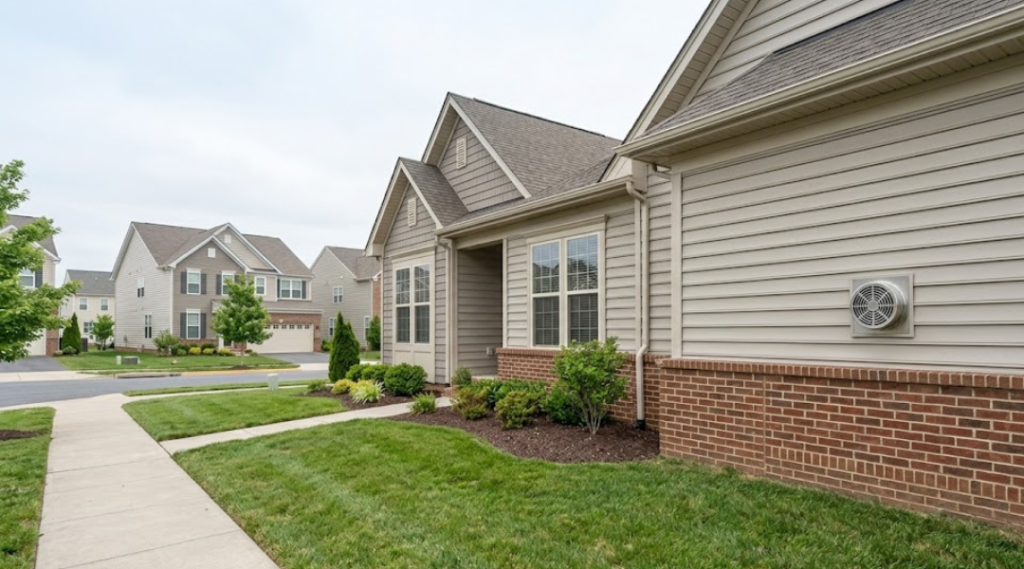
Developers often make this choice to reduce fire risk, construction time, and cost. Eliminating a full masonry stack means fewer inspections, less flashing work, and no chimney cap installation. However, these systems still need careful vent placement and combustion air control.
In neighborhoods with strict design guidelines, chimneys may appear purely decorative. These faux structures hide metal vents or none at all, leading you to believe a functioning chimney exists when it does not. As a homeowner, confirming function over appearance prevents costly surprises later.
Structural and Venting Shortcuts in Modern Builds
Modern chimney construction often prioritizes speed and cost control over long-term strength and airflow efficiency. You may see changes in materials, spacing, and venting methods that meet code but fall short in durability and performance. These design adjustments often appear small but can influence how safely and efficiently your chimney operates over time.
Prefabricated Flue Systems vs Masonry Construction
Many new homes use factory-built metal flue systems instead of traditional masonry chimneys. Prefabricated systems arrive in sections that install quickly and require less skilled labor. Builders prefer them because they reduce construction time and material expenses.
However, these systems depend on precise installation and limited tolerance for mistakes. A small gap between sections or an improperly sealed joint can reduce draft strength or allow heat damage to nearby framing. Masonry chimneys, though heavier and slower to build, offer thicker walls that stabilize draft and resist wear. If your flue uses thin-gauge metal rather than layered brick or block, inspect regularly for corrosion, loose joints, or shifting components that could compromise safety.
| Feature | Prefabricated Flue | Masonry Chimney |
|---|---|---|
| Installation Speed | Fast | Slow |
| Material Cost | Lower | Higher |
| Durability | Moderate | High |
| Maintenance | Frequent checks | Infrequent |
Reduced Clearance Margins and Framing Proximity
In many newer homes, framing around chimneys often sits closer than best practice recommends. Developers reduce airspace between wood and vent components to save time and simplify roof framing. While most setups still pass inspection, minimal clearance can push materials near their heat tolerance limit during long burns or high-output furnace cycles.
These tight margins increase the risk of heat transfer to combustible framing. Even if there’s no immediate danger, long-term thermal stress can dry and weaken nearby wood. When reviewing your fireplace enclosure or vent chase, measure both horizontal and vertical spacing to verify it exceeds manufacturer and NFPA 211 guidelines. Adding metal shields, insulation boards, or fire stops can improve heat safety and lifespan without major reconstruction.
Simplified Vent Paths Affecting Draft Performance
To fit tighter floor plans, many modern homes use shorter or more direct chimney runs with limited vertical rise. Straight-line vent layouts may look efficient on paper but often cause uneven draft pressure. This can lead to smoke backflow, weak exhaust flow, and poor combustion efficiency.
Builders sometimes skip additional elbows or height extensions that allow proper draw because each adjustment adds parts and installation time. In gas fireplaces and stoves, similar shortcuts appear as undersized terminations or poorly aligned vent caps. When evaluating performance, check for proper vent height above roofline, smooth interior surfaces, and minimal obstructions. Restoring correct airflow geometry is often a simple fix that delivers safer, cleaner operation.
Code Compliance Versus Practical Performance Gaps
Builders often meet the legal minimums of the Virginia Uniform Statewide Building Code, but those standards do not always ensure lasting performance. In Loudoun County, new homes sometimes have chimneys that technically comply with regulations yet show weaknesses after exposure to local weather and use conditions.
Minimum Code Standards and Real-World Limitations
Building codes define minimum safety and construction requirements. For chimneys, the code focuses on clearances, materials, and venting design that reduce fire risk and structural failure. Meeting these standards is mandatory for permit approval, but it does not guarantee that your chimney will perform well over time.
Many new construction projects use cost-saving methods that still pass inspection—such as thinner masonry, reduced insulation, or prefabricated metal flues. These materials meet basic thermal and safety ratings but often have shorter lifespans than traditional brick or stone designs. Over time, freeze-thaw cycles and repeated heating can cause cracking or moisture penetration.
Here’s a simple comparison:
| Requirement Type | What Code Checks | What Often Gets Overlooked |
|---|---|---|
| Structural Safety | Minimum wall and flue thickness | Long-term material fatigue |
| Fire Safety | Clearance from combustibles | Heat retention and surface cracking |
| Draft Performance | Proper vent sizing | Seasonal airflow variation |
You meet the law, but you may not get the reliable performance your home deserves.
Inspection Pass Criteria vs Long-Term System Behavior
County inspectors check whether construction matches approved plans and the Uniform Statewide Building Code. In Loudoun County, the Department of Building and Development ensures this compliance through permit reviews and site inspections. These visits are limited in scope and time. You may pass an inspection while hidden flaws remain undetected.
Inspectors rarely test how well a chimney drafts under real use, or whether heat stress will cause early material failure. Once you move in, humidity levels, fuel choice, and cleaning habits start to reveal problems that didn’t show during inspection.
Over time, gaps in mortar joints, flashing leaks, or poor vent sizing can create backdrafting or water damage. Because these issues develop gradually, they often fall outside the inspection framework even though they stem from construction shortcuts that complied with minimum code.
Regional Factors Influencing Chimney Durability in Loudoun County
Loudoun County’s mixed climate—cold winters, humid summers, and frequent rainstorms—places stress on chimney materials. You face repeated freeze-thaw cycles that expand small cracks, as well as wind-driven moisture that erodes mortar. Even compliant installations can deteriorate quickly if builders use low-cost composites or skip protective coatings.
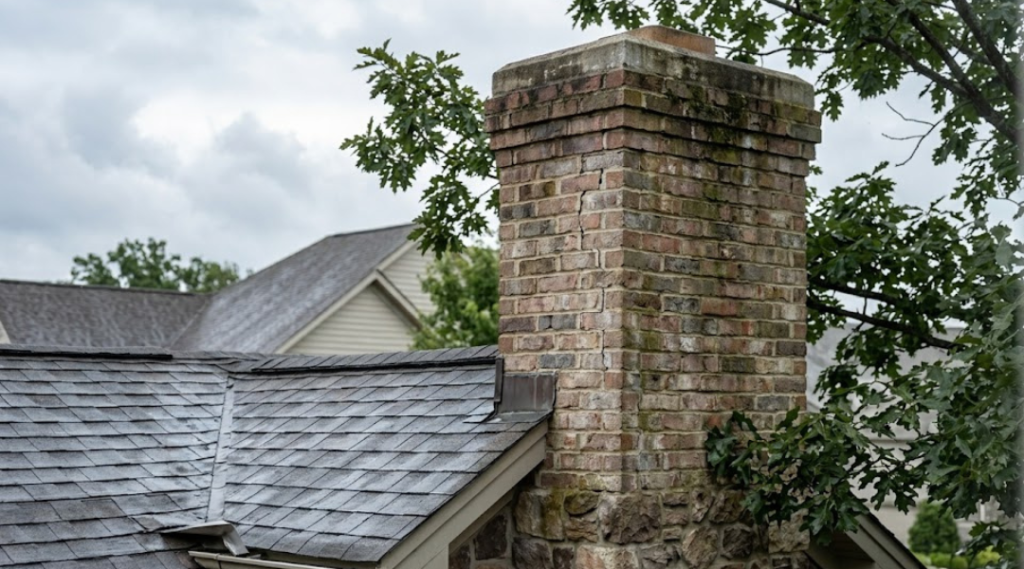
Some subdivisions also sit in valleys or open plains where wind direction affects chimney draft efficiency. In these areas, poorly placed vent caps or marginal flue height can cause smoke blowback. Local soil and grading conditions may further affect foundation stability, slightly shifting chimney alignment over time.
You can reduce these risks through proper sealing, regular cleaning, and annual inspections. While code compliance ensures minimum safety, adapting designs to Loudoun County’s environment is what preserves your chimney’s performance and life span.
How a Chimney Expert Identifies New Build Deficiencies
A chimney specialist examines design, installation, and performance details that reveal when shortcuts have been taken during construction. You gain insight into how professionals detect subtle clues such as improper venting, missing components, and code violations that often escape standard home inspections.
Early Inspection Findings After Home Completion
When a home is newly finished, you might assume every system meets standards. Yet, early chimney inspections often uncover problems hidden behind clean finishes. Experts look for missing flue liners, thin mortar joints, or caps that fail to prevent moisture entry. These issues may seem small, but they reduce your chimney’s safety and lifespan.
Inspectors also check the chimney height relative to the roofline. NFPA 211 requires a chimney to extend at least 3 feet above the highest point of the roof and 2 feet higher than nearby structures within 10 feet. Builders sometimes ignore this rule to save materials or preserve rooflines, which can cause draft problems or smoke spillage into living spaces.
A typical inspection includes:
| Checkpoint | Common Issue Found | Potential Impact |
|---|---|---|
| Flue liner | Missing or cracked | Carbon monoxide leakage |
| Chimney cap | Mortar cap, no slope | Water entry, freeze damage |
| Vent connector | Wrong material or slope | Poor draft, corrosion |
These findings show that even “brand new” chimneys may need correction to meet code and function safely.
Patterns Observed Across Recently Built Communities
Across new subdivisions in Loudoun County, professionals see recurring patterns of cost-cutting. Production builders often favor prefabricated metal chimneys or undersized vents to speed installation. While allowed by code, these designs require careful sealing and clearances that crews sometimes skip.
Homes with multiple fireplaces or gas inserts often share a single flue or vent chase. That setup, when not properly spaced or insulated, increases heat transfer risks and may violate clearance requirements. You might also notice inconsistent brick alignment or mortar joints that lack full adhesion, signs of rushed masonry work.
Technicians document these trends with photos and measurements. Over time, this record shows that many deficiencies result from design shortcuts, not isolated mistakes.
Interpreting Design Intent Versus Installed Conditions
A trained chimney expert compares the architectural plan, manufacturer’s specifications, and as-built structure. You learn whether what was designed matches what actually exists. Differences such as missing firestops or improperly supported flues often point to incomplete inspections during construction.
For example, a plan might call for a Type B double-wall vent, but installers may instead use single-wall metal to reduce cost. That small change affects heat resistance and clearance spacing. The expert cross-checks these details against code references like NFPA 54 and NFPA 211 to verify compliance.
Using visual inspections, mirror scopes, and draft testing, professionals locate mismatches that builders or local inspectors might miss. These comparisons reveal whether the chimney’s performance matches its design intent—or if the installed system puts your home at risk.
Tradeoffs Between Build Efficiency and Longevity
Builders in Loudoun County often focus on fast schedules and manageable costs, which can affect how long certain features—like chimneys—last. The push for efficiency in materials and labor reduces upfront pricing but introduces more frequent upkeep needs and a shorter useful life for key systems.
Cost Savings Versus Maintenance Frequency Over Time
When a house is built with cost efficiency in mind, the savings usually come from simpler designs and lower-cost materials. For chimneys, that might mean thinner metal flues, prefabricated vents, or smaller masonry caps instead of full brick stacks. These options reduce initial expenses but also lower long-term resilience.
Over time, cheaper parts may need replacement sooner due to heat stress, rain exposure, or settling of the surrounding framing. You may find yourself paying for sealant work, repointing, or replacing flashing more frequently.
A basic cost comparison might look like this:
| Component Type | Initial Cost | Average Repair Cycle | Typical Lifespan |
|---|---|---|---|
| Full Masonry Chimney | High | 15–20 years | 60–100 years |
| Metal Prefab Vent | Low | 5–8 years | 20–30 years |
Though budget-friendly during construction, these tradeoffs shift spending toward recurring maintenance later in the home’s life.
Shortened System Lifespan Under Standard Usage
Modern building practices favor speed and code compliance over old-fashioned durability. Chimney systems built under this model often just meet the minimum safety and ventilation requirements. Over time, however, repeated cycles of expansion and contraction from temperature swings can loosen joints and seals faster than in older, hand-laid masonry structures.
Lighter structural designs also mean fewer redundancies. When one component fails—such as a flue liner or a crown—it can cause damage across the system more quickly. You might see stains, leaks, or odor buildup within years instead of decades. This reduction in lifespan doesn’t indicate poor construction but reflects the industry’s shift toward performance within limited timelines and budgets.
Implications for Homeowner Responsibility After Purchase
Once you move in, the maintenance schedule becomes your responsibility. You should plan for semiannual inspections, especially if the chimney uses composite or metal elements. Catching small cracks, leaks, or corrosion early prevents moisture from spreading into framing or drywall.
Keep records of cleaning and minor repairs to strengthen warranty claims if issues develop. Some builders include only short warranties on exterior venting systems, leaving long-term upkeep costs to you.
Simple actions—like keeping rain caps clear, checking sealants, and ensuring clear airflow—extend the life of cost-efficient designs. By managing upkeep carefully, you can offset the reduced durability that often comes with newer, streamlined chimney construction methods.