Managing a rental or investment property in the D.C. metro area means more than meeting housing demand—it means keeping every tenant safe and every structure compliant. Chimney systems often get overlooked until a problem surfaces, but neglect can lead to major risks, from fire hazards to insurance issues. You protect your investment and ensure tenant safety by making chimney maintenance and inspections a routine priority.
Across Washington, D.C., Maryland, and Virginia, local codes require property owners to uphold specific safety standards for heating systems, fireplaces, and venting. Meeting these expectations isn’t just about following the law—it helps prevent emergencies, lowers liability, and supports long-term property value. Proper inspections also document compliance, which makes property sales, insurance claims, and lease renewals smoother.
Knowing your role and the level of professional help needed sets you apart as a responsible landlord or investor. Understanding how experts evaluate risks, what local regulations demand, and how to balance maintenance costs with safety keeps your properties secure and compliant year-round.
When Chimney Safety Applies to Rental Properties
Chimney safety regulations apply when a property contains a working fireplace, wood stove, or vented heating appliance that exhausts through a flue or chimney. You must consider how the property is used, how often the chimney operates, and whether any lease or insurance terms limit its use.
Tenant-Occupied vs Owner-Occupied Use Differences
When a property is tenant-occupied, you hold legal responsibility for ensuring the chimney and venting systems meet local fire and housing codes. Tenants rely on you to provide safe heating equipment and to arrange annual inspections under standards such as NFPA 211. Most jurisdictions in the D.C. metro area require proof of inspection before a new tenancy or certificate of occupancy is issued.
Owner-occupied homes may follow the same safety guidelines but can schedule maintenance at personal discretion. In multi-unit rentals, you must also evaluate shared venting systems because a defect in one unit can expose all residents to carbon monoxide leaks. Providing clear lease clauses about fireplace use and maintenance access helps prevent disputes.
You can reduce risk by keeping written inspection records, notifying tenants before cleanings, and documenting that any restrictions or repairs were communicated in writing.
Seasonal Usage Patterns Affecting Inspection Needs
Properties used seasonally or part-time present special inspection needs. Chimneys in homes rented only during winter require a pre-season inspection to remove creosote and check for nesting animals or weather damage. Year-round rentals need annual inspections even if tenants use the fireplace infrequently because soot, debris, or moisture can build up during idle months.
Inspectors often find cracked flue liners or blocked vents after long periods of disuse. You should also schedule a post-season clean, especially in humid D.C. summers, to prevent odor and corrosion in metal components. For properties that serve short-term stays, such as vacation rentals or Airbnb, more frequent checks ensure compliance with fire insurance requirements.
| Usage Type | Recommended Inspection Frequency |
|---|---|
| Full-time rental | Every 12 months |
| Seasonal/winter rental | Before and after heating season |
| Short-term or Airbnb | Every 6–12 months |
Situations Where Chimney Use Is Restricted or Excluded
Some leases and building regulations restrict or fully exclude chimney use. Newer high-efficiency heating systems often vent through sealed pipes, making the original fireplace ornamental only. If a chimney is closed, you must disclose that to tenants and seal flue openings to prevent drafts or pest entry.
Insurance providers may also require certified closure documentation when the fireplace is no longer active. In older D.C. row houses, shared walls and narrow clearances can limit fireplace operation due to fire separation codes. When local inspectors deem a chimney unsafe, you cannot allow its use until repairs or relining meet code standards.
You can include clear property signage and lease terms like “fireplace for decorative use only” to avoid confusion. This prevents unapproved fires that could result in smoke damage or carbon monoxide exposure inside your rental unit.
Regulatory Expectations Across D.C. Metro Jurisdictions
Maintaining a chimney system in rental or investment properties across the D.C. metro area involves meeting a mix of building, fire, and housing code requirements. You must comply with both state and local standards, including inspection, ventilation, and fire safety rules that protect tenants and property investments.
Virginia, D.C., and Maryland Code Enforcement Differences
Each jurisdiction focuses on similar goals—fire prevention and safe occupancy—but they enforce different codes and procedures. Virginia adopts the Virginia Maintenance Code and International Fire Code, which require regular inspection and maintenance of chimneys and flues to prevent creosote buildup. Local fire marshals often oversee compliance.
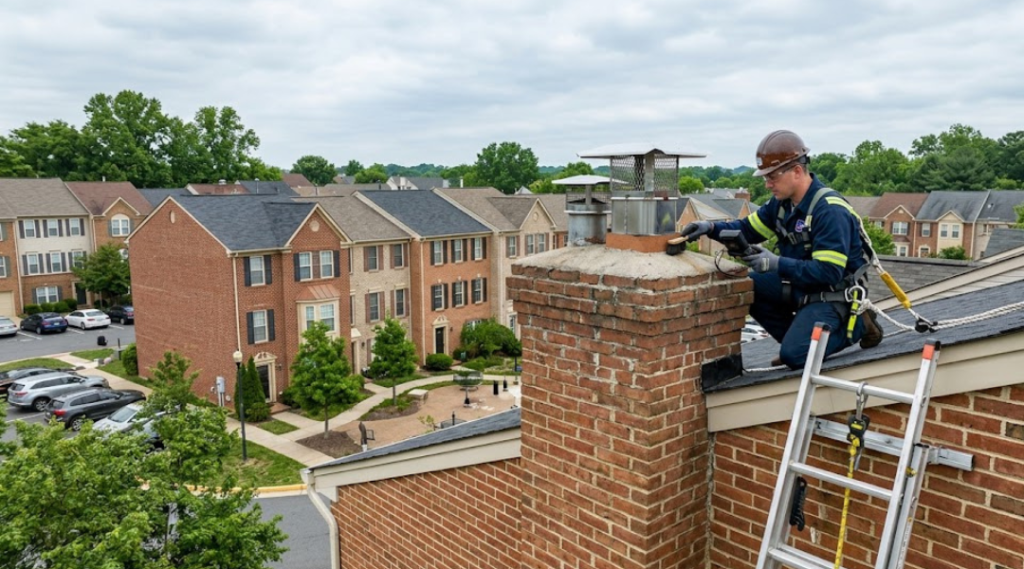
Washington, D.C. enforces housing standards through the Department of Buildings (DOB). The D.C. Housing Code requires that all multifamily and rental structures be safe from fire hazards, including maintaining fireplace and vent systems in operable condition. Chimney structures must remain free from cracks, blockages, or unsafe deterioration that could endanger residents.
Maryland follows county-level enforcement under the state’s Fire Prevention Code and local housing standards. Many counties require landlords to include chimney inspections as part of periodic property safety checks. Using a CSIA-certified chimney technician strengthens compliance because it ensures work meets national performance and safety standards.
Rental Licensing and Inspection Overlap With Chimney Systems
Rental licensing programs often link directly to property safety certification. In D.C., an inspection under the Basic Business License process verifies that heating appliances and chimneys are functional and safe. In Maryland counties like Montgomery and Prince George’s, the rental license inspection covers HVAC and vent systems, including fireplaces if present.
In Virginia, local jurisdictions may inspect chimneys during building permit renewals or safety complaints. Some require documented service records, especially in multifamily units. It’s best practice to keep annual inspection reports from Chimney Safety Institute of America (CSIA)-certified contractors. Municipal inspectors may request proof during audits or rental renewals.
Maintaining up-to-date inspection documentation supports both code compliance and insurance coverage. Tenants may also file maintenance complaints if a chimney system creates safety concerns or ventilation issues. Proactive recordkeeping helps you avoid liability and improve tenant confidence.
Fire Safety Compliance Within Multi-Unit Housing Structures
Multi-unit housing poses higher fire risk because shared walls and common flues can accelerate smoke spread. Local codes across D.C., Maryland, and Virginia require smoke and carbon monoxide detectors near sleeping areas and in any space served by a fuel-burning appliance.
In D.C., the Fire Marshal mandates clear access to fire exits, fire alarms, and proper ventilation near chimney systems. Properties must keep vents free from obstructions and maintain materials that resist heat and sparks. DOB inspectors may verify that bars on windows near fireplaces or chimney cleanouts can be released quickly from inside.
Virginia and Maryland frequently align with the International Fire Code (IFC) for chimney clearances, spark arrestors, and proper vent terminations. In buildings using shared flues, you must ensure each unit’s vent path stays separate to prevent backdrafts. Regular chimney cleaning and visual checks reduce blockages that can trigger carbon monoxide buildup or structural fires.
Responsibility Boundaries Between Owners and Tenants
Both owners and tenants share duties in keeping chimney systems safe and operational. Owners must handle major maintenance and ensure the property meets D.C. habitability standards, while tenants must use fireplaces responsibly and report safety issues early to prevent damage.
Maintenance Obligations Under Lease Agreements
Landlords in the D.C. metro area must maintain habitable properties under Title 14 of the D.C. Municipal Regulations. This includes keeping chimneys, vents, and fireplaces in safe and working condition. Regular chimney cleaning, inspection, and structural repairs usually fall under the owner’s responsibility because these affect overall building safety.
Tenants, however, must cooperate by keeping the area clean, avoiding blockages, and promptly notifying the landlord of any issues. A lease should clearly state who schedules inspections and covers service costs. When major repairs or professional sweeps are required, owners typically hire licensed contractors. You should confirm that maintenance occurs once a year, especially before the heating season.
| Task | Usual Responsible Party |
|---|---|
| Annual chimney inspection | Owner |
| Cleaning soot or ash buildup | Owner or manager (through service provider) |
| Reporting wear or damage | Tenant |
| Safe daily operation | Tenant |
Clear agreements reduce disputes and protect both sides from code violations or safety hazards.
Liability for Misuse or Unauthorized Fireplace Use
You can be held liable if you use the fireplace or chimney in ways not allowed by the lease or local regulations. Misuse includes burning improper materials, tampering with vents, or using a sealed chimney without inspection. If such actions cause damage or a fire, the tenant may be responsible for repair costs and potential penalties.
Landlords should post or provide clear operating instructions and verify that the fireplace passes a safety check before occupancy. If the lease bans use of a fireplace until inspection, honor that rule. Unauthorized use can void your tenant protections and may give the landlord legal grounds to recover damages. Responsible use protects you from liability while preserving the value of the property.
Documentation and Reporting Expectations for Safety Issues
Good communication ensures chimney safety and compliance with local housing codes. Tenants should document problems such as smoke backdraft, cracks in the chimney liner, or odor of gas or soot. Written notice sent promptly to the landlord supports both safety and recordkeeping. It also creates a timeline if an issue later becomes a repair dispute.

Landlords, in turn, should maintain digital or paper logs of inspections, professional cleanings, and any corrective work. Keep receipts and inspection certificates accessible for audits or insurance reviews. Detailed documentation shows that you have met repair and maintenance obligations under law and supports faster issue resolution if enforcement or code officials get involved.
How a Chimney Expert Evaluates Rental Property Risks
A professional inspection of a rental property’s chimney focuses on how frequent use, varied tenant behavior, and deferred maintenance affect safety and system performance. Evaluators rely on NFPA 211 standards and local code requirements to identify structural flaws, hidden damage, and fire hazards that owners can correct before leasing or renewal.
Inspection Patterns Across High-Turnover Properties
High-turnover rentals often show uneven maintenance records. Each move-in and move-out cycle increases the chance that tenants use fireplaces differently or skip basic cleaning duties. Because of this, chimney professionals conduct Level 1 or Level 2 chimney inspections more often than in owner-occupied homes.
Inspectors check for creosote buildup, missing chimney caps, and improper appliance connections. They also review prior inspection reports to see if repairs were deferred. In buildings with multiple units or shared flues, they confirm that each vent operates independently to avoid cross-drafting between apartments.
Key areas evaluated:
| Component | Common Problem | Resulting Risk |
|---|---|---|
| Flue liner | Cracks or gaps | Carbon monoxide leakage |
| Smoke chamber | Heavy soot or creosote | Chimney fire potential |
| Flashing and crown | Water damage | Chimney leaks into walls or ceilings |
Frequent inspections and documented cleaning reduce liability, meet insurance requirements, and extend system life despite tenant turnover.
Recurring Safety Issues in Investor-Owned Homes
Investor-owned properties face predictable chimney hazards. Creosote buildup, loose mortar joints, and deteriorated chimney liners often appear after years of minimal professional cleaning. A certified chimney sweep can identify these conditions before they result in costly damage or code violations.
Rental homes with older masonry systems frequently lack required clearance from combustible framing. Inspectors measure these distances using NFPA 211 guidance and note when framing or insulation encroaches on the chimney chase.
Another recurring issue involves chimney leaks. Small cracks at the crown allow moisture intrusion, which erodes the liner or rusts metal dampers. Over time, this causes poor draft and smoke spillage. Addressing moisture control early prevents large-scale repairs such as relining or partial rebuilds that can cost far more than routine upkeep.
Adapting Evaluations for Varied Tenant Usage Behavior
Tenants vary in how they operate fireplaces and stoves, which changes how technicians assess risk. Some renters burn improper materials or neglect to open the damper fully, leading to accelerated soot and creosote accumulation. Inspectors look for patterns such as uneven staining inside the smoke chamber or warped connectors that signal high-heat incidents.
To adapt, a chimney professional may include more detailed video scanning or combustion testing. These methods confirm whether the system drafts correctly after heavy or improper use.
You can also reduce maintenance costs by providing clear tenant guidelines on fuel type, cleaning frequency, and reporting smoke or odor problems quickly. Consistent education paired with scheduled inspections helps prevent misuse and maintains safe chimney operation throughout changing tenancy cycles.
Tradeoffs Between Cost Control and Safety Compliance
Keeping rental properties in the D.C. Metro area both profitable and safe means balancing repair budgets with code requirements. Fire safety, NFPA 211 compliance, and structural maintenance affect not only your expenses but also tenant security and long-term property value. Even small delays in chimney care can turn minor wear into expensive damage.
Deferred Maintenance and Escalating Structural Risks
Delaying chimney inspections or repairs might save money in the short term, but it often leads to higher costs later. Moisture intrusion through a cracked chimney cap or deteriorated chimney chase top can erode the masonry, weaken mortar joints, and create leaks inside walls. What begins as a low-cost sealant job can grow into a full chimney rebuild.
As water seeps into bricks, freeze-thaw cycles expand cracks and compromise the chimney’s load-bearing strength. Neglecting creosote removal increases the risk of chimney fires, especially in older rental properties that depend on solid-fuel systems. Over time, maintenance deferral shifts from a budget choice to a safety hazard that exposes you to code violations and liability claims.
Minimal Compliance vs Long-Term System Reliability
Meeting only the minimum code standards might keep your property legal, but it can reduce reliability. For example, installing a basic chimney liner or performing a visual-only inspection satisfies official requirements but may miss deeper structural flaws. Interior cracks, loose flue tiles, or failing chimney caps often go unnoticed until problems escalate.
A long-term maintenance plan with scheduled cleanings, draft testing, and video inspections finds issues early, making repairs cheaper and less disruptive for tenants. Investing in durable materials—such as stainless steel liners or rust-resistant chimney chase tops—adds upfront cost but extends service life. Choosing minimal compliance might lower annual expenses but can increase downtime and emergency repairs later.
Impact of Safety Decisions on Property Value and Liability
Your inspection records and maintenance choices directly influence resale value and insurance coverage. Properties with documented chimney repairs and up-to-date fire safety compliance show lower risk, often reducing premiums and increasing buyer confidence. Conversely, evidence of ignored damage or missing chimney caps can raise red flags during due diligence.
Local jurisdictions in D.C., Maryland, and Virginia consider chimney maintenance part of rental habitability standards. Ignoring structural issues can trigger fines or invalidate coverage following a fire. A well-maintained venting system demonstrates responsible ownership, protecting both your investment and tenants while preventing disputes over negligence or unsafe conditions.