
When winter arrives and you notice chimney damage, one question quickly comes to mind: will your homeowners insurance pay for the repairs? Most homeowners insurance policies cover chimney repairs only when the damage results from sudden and accidental events like storms, lightning strikes, chimney fires, or falling trees. The answer depends entirely on what caused the damage and how well you’ve maintained your chimney over the years.
Your insurance company won’t cover problems that develop slowly over time. Crumbling mortar from age, water leaks from a missing cap, or creosote buildup from skipped cleanings all fall outside standard coverage. Understanding the difference between covered perils and normal wear can save you thousands of dollars and prevent claim denials.
This guide walks you through the specific situations when insurance will and won’t cover chimney damage. You’ll learn what steps to take before filing a claim, how to document damage properly, and ways to strengthen your case with your insurance provider. Whether you’re dealing with storm damage or just planning ahead, knowing your coverage helps you make smart decisions about your chimney’s care.
When Does Homeowners Insurance Cover Chimney Repairs?
Your homeowners insurance covers chimney repairs when a covered peril causes sudden and accidental damage to your chimney. The key factor is that the damage must come from a specific event listed in your insurance policy, not from aging or poor upkeep.
Covered Perils for Chimney Damage
Your insurance policy lists specific covered perils that determine when you can file a claim for chimney damage. Lightning strikes are one of the most common covered events that can damage your chimney. If lightning hits your chimney and causes bricks to fall or the structure to lean, your insurance will pay for repairs.
Storm-related damage gets covered under most policies. This includes:
- Wind damage that knocks down parts of your chimney
- Hail that cracks or breaks chimney materials
- Heavy snow or ice that causes your chimney to collapse
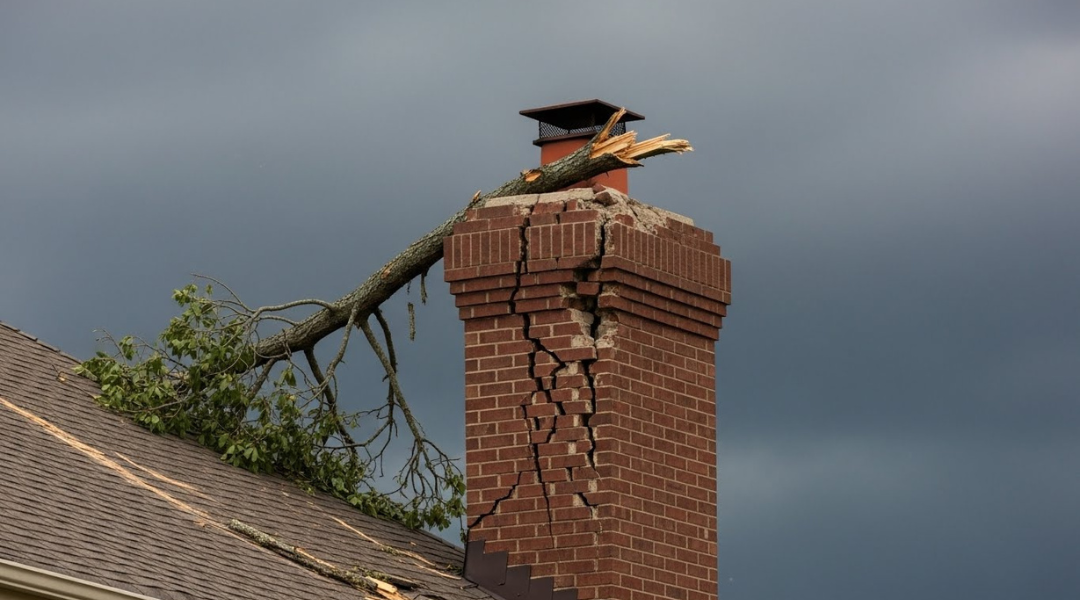
- Falling trees that strike your chimney during a storm
Chimney fires caused by unexpected events typically fall under coverage. If your fireplace creates a sudden chimney fire that damages the structure, your insurance should cover the repairs. Smoke damage from these fires also qualifies for coverage.
Vandalism to your chimney is another covered peril. If someone intentionally damages your chimney, you can file a claim to repair it.
Sudden vs. Gradual Damage
Insurance coverage depends on whether damage happens suddenly or gradually over time. Sudden damage means your chimney gets harmed in a single, specific event that you can point to on a calendar. A tree falling on your chimney during a storm is sudden damage.
Gradual damage occurs slowly through normal wear and tear. Mortar that crumbles over years, bricks that loosen from age, or cracks that develop from weather exposure are not covered. Your insurance policy expects you to maintain your chimney through regular upkeep.
The difference matters when you file a claim. If your chimney collapses, your insurance company will investigate the cause. They will cover it if a covered peril caused the collapse. They will deny your claim if the chimney fell due to years of neglect or deterioration.
Creosote buildup that leads to a chimney fire usually does not qualify for coverage. This situation suggests poor maintenance rather than sudden damage.
Insurance Policy Language and Chimney Repairs
Your insurance policy contains specific language about dwelling coverage that applies to your chimney. Most standard policies include Coverage A, which protects the physical structure of your home and attached structures like chimneys.
The phrase “sudden and accidental” appears throughout insurance policies. This language determines which chimney repairs get covered and which do not. Your policy excludes maintenance issues, improvements, and damage from neglect.
Read your policy’s exclusions section carefully. Some policies have special limits or conditions for chimney claims. Your policy may require proof that you maintained your chimney properly before the damage occurred.
Documentation helps your claim succeed. Take photos of your chimney’s condition before damage occurs. Keep records of chimney inspections and cleanings. These records prove that you maintained your chimney and that damage came from a covered peril rather than neglect.
Common Scenarios for Covered and Non-Covered Chimney Damage
Insurance companies typically cover chimney damage from sudden accidents like fires, storms, and lightning strikes. However, they won’t pay for repairs needed because of poor maintenance or normal aging.
Fire and Smoke Incidents
A chimney fire caused by unexpected circumstances is usually covered by your homeowners insurance policy. If flames from your fireplace or wood stove damage the chimney structure, your insurer will likely pay for repairs. The same applies to smoke damage that affects your chimney and surrounding areas.
Your claim might get denied if the fire resulted from neglect. When creosote builds up inside your chimney and causes a fire, insurance companies often refuse coverage. This buildup shows you didn’t maintain the chimney properly.
You need to keep records of regular chimney cleanings and inspections. These documents prove you maintained your chimney and help support your claim if a fire happens.
Weather-Related Events
Lightning strikes that damage your chimney are covered under standard policies. If lightning causes bricks to fall or makes your chimney lean, insurance will pay for repairs and any related damage to your home.
Windstorms and hail damage also qualify for coverage. Strong winds can knock bricks loose or crack the chimney crown. Hail can chip away at the chimney cap and damage the flashing.
Falling trees are another covered peril. When a tree hits your chimney during a storm, insurance pays for both the chimney repairs and tree removal. Snow and ice damage is covered too, but only if your chimney was in good condition before it collapsed under the weight.
Water damage from storms gets trickier. If a storm damages your chimney and rain enters through the new cracks, that’s covered. But water leaks from worn-out flashing or missing mortar won’t be covered.
Accidents and Rare Perils
Vandalism to your chimney is covered by most homeowners policies. If someone deliberately damages your chimney, you can file a claim for the repairs.
Vehicle accidents are another covered scenario. When a car hits your home and damages the chimney, your dwelling coverage handles the repairs.
Earthquake damage requires separate earthquake insurance since standard policies exclude it. If you live in an earthquake zone, you need this additional coverage to protect your chimney from seismic activity. Most homeowners don’t have earthquake insurance and would pay out of pocket for quake-related chimney damage.
What Homeowners Insurance Does Not Cover for Chimney Repairs
Most homeowners insurance policies exclude damage that develops over time or results from poor upkeep. If your chimney problems stem from gradual deterioration or neglect, you’ll likely pay for repairs out of pocket.
Wear and Tear Exclusions
Insurance companies do not cover normal wear and tear on your chimney. This includes damage from freeze-thaw cycles that cause bricks to crack or mortar to crumble over time. As your chimney ages, exposure to weather naturally breaks down materials.
Spalling bricks, where the surface flakes or crumbles away, typically fall under wear and tear. The same applies to a deteriorating chimney crown that cracks from years of sun and rain exposure. These issues develop slowly over months or years.
Common wear and tear issues not covered:
- Cracked or crumbling mortar joints
- Deteriorating chimney crowns
- Spalling or flaking brick surfaces
- Settling cracks in the chimney structure
- Rust on metal chimney components
Your policy views these problems as expected home maintenance costs, not sudden accidents.
Lack of Maintenance and Negligence
Your insurance will deny claims when damage results from skipping regular maintenance. If you haven’t cleaned your chimney regularly, creosote buildup can lead to a chimney fire. While fires are usually covered events, your insurer may deny the claim if they determine you neglected basic upkeep.
Water intrusion from a missing or damaged chimney cap represents preventable damage. When water leaks into your chimney and causes interior damage, insurers often classify this as maintenance-related. You should have replaced the cap before water got inside.
Pest damage from animals nesting in your chimney also falls under negligence. A properly maintained chimney cap prevents birds, squirrels, and raccoons from entering. Damage from these animals is your responsibility.
Regular chimney inspections help you avoid denied claims by catching problems early.
Policy Exclusions and Coverage Gaps
Many standard policies exclude the brick or stone exterior even when they cover the flue liner. This coverage gap means you might get reimbursed for internal damage but not the visible masonry repair.
Mold and mildew from moisture problems are explicitly excluded from most policies. If a water leak causes mold growth in your chimney chase, you’ll pay for remediation yourself. Some insurers offer mold coverage endorsements for an additional premium.
| What’s Not Covered | Why Insurance Excludes It |
|---|---|
| Cracked masonry | Gradual wear over time |
| Creosote damage | Preventable with cleaning |
| Missing chimney cap damage | Basic maintenance item |
| Cosmetic cracks | No structural threat |
| Pest-related damage | Preventable with proper caps |
Cosmetic damage that doesn’t affect your chimney’s function won’t qualify for coverage. Hairline cracks or discolored bricks that haven’t compromised structural integrity don’t meet the threshold for necessary repairs under your policy.
Essential Steps Before Filing a Chimney Repair Claim
Taking the right steps before you file a claim can make the difference between approval and denial. You need solid documentation, clear communication with your insurer, and a full understanding of your policy’s financial terms.
Chimney Inspection and Documentation
Get a licensed chimney professional to inspect the damage before you contact your insurance company. This inspection provides an independent assessment that insurance adjusters consider credible. The inspector should create a detailed report that explains what caused the damage, what needs repair, and whether the issue resulted from a sudden event or gradual wear.
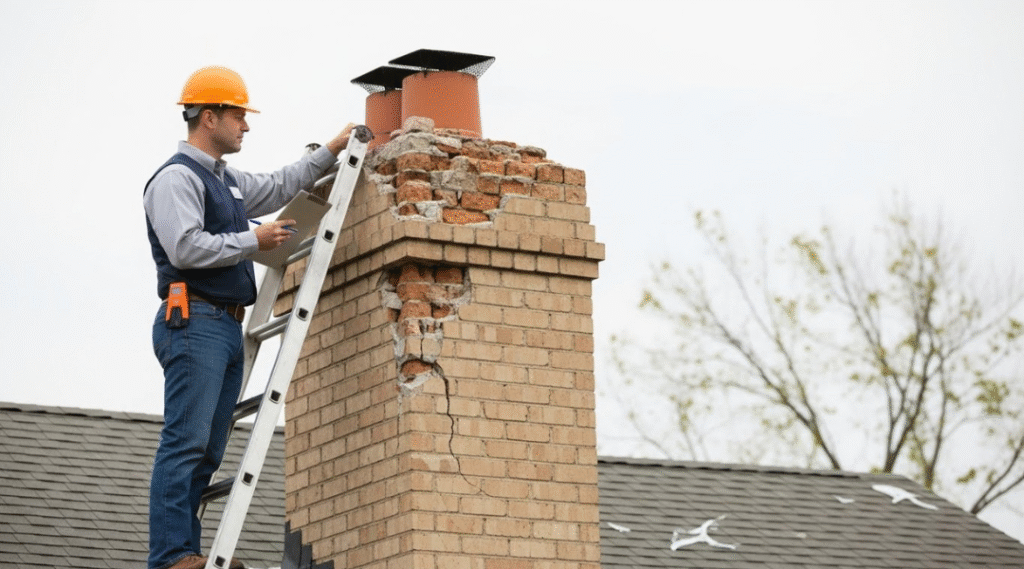
Take clear photos and videos of all damaged areas from multiple angles. Include close-up shots of cracks, missing pieces, water damage, or structural issues. Document the surrounding area too, especially if a storm or fallen tree caused the problem.
Keep all your maintenance records, including past chimney inspections, cleaning receipts, and previous repair invoices. These records prove you maintained your chimney properly. Insurance companies often deny claims when they believe neglect caused the damage.
Create a timeline of events that led to the damage. Write down dates, weather conditions, and what you noticed first. This information helps your insurance agent understand the situation clearly.
Contacting Your Insurance Agent
Call your insurance agent as soon as you discover the damage. Most policies require you to report claims within specific timeframes after an incident occurs. Ask your agent directly whether your policy covers the type of damage you’re dealing with.
Request a copy of your policy’s dwelling coverage section before the call. Review what perils your policy covers, such as fire, lightning, wind, or falling objects. Your agent can explain how these coverages apply to your specific situation.
Have your inspection report ready when you speak with your agent. Share the professional assessment and ask what additional documentation they need. Some insurers require multiple repair estimates from certified chimney specialists before they process a claim.
Understanding Deductibles and Limits
Your deductible is the amount you pay out of pocket before insurance coverage begins. If your repair cost is $3,000 and your deductible is $2,500, your insurance only pays $500. Review your policy documents to confirm your exact deductible amount.
Check your dwelling coverage limits to ensure they’re sufficient for chimney repairs. Most policies cover the full repair cost up to your dwelling limit, but some older policies may have sublimits for specific structures.
Compare your deductible against the estimated repair cost. Filing a claim for repairs that barely exceed your deductible might not make financial sense. Small claims can increase your premiums or affect your claims history. Calculate whether paying out of pocket saves you money in the long run.
How to Maximize Your Chances of Insurance Coverage
Getting your chimney repair claim approved requires proof that you’ve maintained your chimney properly and that damage happened suddenly. Keeping detailed records and scheduling regular professional inspections are your best tools for a successful claim.
Maintaining Chimney Health
Regular maintenance is the most important factor in getting insurance coverage when damage occurs. Schedule an annual chimney inspection and cleaning before each heating season. These inspections catch problems early and show your insurance company that you’ve been responsible.
Key maintenance tasks include:
- Installing and replacing chimney caps to prevent water intrusion and animal entry
- Removing creosote buildup through professional cleaning (recommended yearly for regular users)
- Repairing minor cracks in mortar or crowns before they worsen
- Checking flashing around the chimney base for proper water sealing
A missing chimney cap can lead to water damage that insurance won’t cover since it’s considered preventable. The same applies to damage from excessive creosote buildup, which is a fire hazard that results from skipping cleanings. Insurance adjusters look for signs of neglect, so consistent annual maintenance proves you’ve done your part to protect your home.
Record Keeping and Professional Assessments
Documentation makes the difference between approved and denied claims. Keep receipts from every chimney inspection, cleaning, and repair in a dedicated file. Take photos of your chimney’s condition after each maintenance visit to establish a timeline of its condition.
When damage occurs, act immediately. Take clear photos from multiple angles showing the extent of the damage. Get a chimney inspection from a licensed professional within days of discovering the problem. Their written assessment carries weight with insurance adjusters and provides technical details about what caused the damage.
Keep weather reports if storm damage is involved. Document any related damage to your roof, trees, or surrounding structures. Submit your claim quickly since most policies have strict filing deadlines. The more evidence you provide that damage was sudden and accidental rather than gradual deterioration, the better your chances of approval.
Additional Considerations for Chimney Repairs and Insurance
Beyond basic coverage, you need to understand potential gaps in your policy and what to do when costs exceed expectations. Knowing your options for additional protection and handling claim denials can save you thousands of dollars in out-of-pocket expenses.
Upgrading Coverage for Specific Risks
Standard homeowners insurance doesn’t cover every type of damage your chimney might face. If you live in an earthquake-prone area, you’ll need separate earthquake insurance since ground movement and seismic damage fall outside typical policies. This coverage gap leaves many homeowners vulnerable to expensive repairs after tremors crack their chimney structure.
You can add endorsements or riders to your existing policy for broader protection. Water backup coverage helps if water enters through your chimney during heavy storms. Some insurers offer extended replacement cost coverage that pays more than the standard limits if repair costs run higher than expected.
Common add-ons to consider:
- Earthquake insurance for seismic damage
- Water backup and sump pump coverage
- Extended replacement cost protection
- Ordinance or law coverage for building code updates
Review your policy annually with your insurance agent. Building codes change, and older chimneys often need updates during repairs that your base policy won’t cover.
Dealing with Denied Claims
Insurance companies deny chimney repair claims when they determine damage resulted from poor maintenance rather than a covered event. You have the right to challenge this decision through a formal appeals process.
Start by requesting a detailed written explanation of why your claim was denied. This document shows exactly which policy terms the insurer used to reject your claim. Get a second inspection from a licensed chimney professional who can provide evidence contradicting the denial.
File an appeal within the timeframe stated in your denial letter, typically 30 to 60 days. Include your second inspection report, maintenance records, and photos documenting the damage. A public adjuster works for you instead of the insurance company and can negotiate on your behalf for a percentage of your settlement.
Your state’s insurance commissioner handles complaints if your insurer acts in bad faith. Document every conversation, email, and letter throughout this process.
Estimating Chimney Repair Costs
Chimney repair costs vary widely based on damage severity and your location. Minor repairs like replacing a chimney cap cost $200 to $500, while major work such as rebuilding can reach $10,000 or more.
| Repair Type | Average Cost Range |
|---|---|
| Chimney cap replacement | $200 – $500 |
| Crown repair | $800 – $3,000 |
| Flashing repair | $200 – $500 |
| Repointing mortar | $500 – $2,500 |
| Liner replacement | $2,500 – $7,000 |
| Partial rebuild | $4,000 – $10,000 |
| Full rebuild | $10,000 – $25,000 |
Get three written estimates from licensed chimney contractors before filing your claim. Your insurance adjuster uses these quotes to determine how much they’ll pay. Higher repair costs often mean you’ll reach your deductible and receive meaningful coverage.
Keep in mind that matching existing bricks or materials sometimes increases costs. Your policy should cover these expenses if the damage stems from a covered peril.