A fireplace can be a beautiful focal point in any home, but many homeowners find that the heat it produces often fails to adequately warm their living space. To get more heat out of a fireplace, installing a fireplace insert, using glass doors, and adding a fireback are effective ways to capture and circulate heat instead of losing it up the chimney. These simple adjustments increase efficiency and make your fireplace a more reliable source of warmth.
Many traditional fireplaces are designed more for ambiance than for heating, which can result in significant heat loss. Improving airflow, sealing drafts, and using efficient accessories can dramatically boost the amount of heat your fireplace delivers, enhancing comfort without costly upgrades.
A Chimney Expert LLC, serving Oak Grove, Virginia, provides expert advice and services to help homeowners maximize heat output safely and effectively. Their experience ensures you get practical solutions tailored to your fireplace, turning it into a more efficient heating option for your home.
Use The Right Firewood
Selecting the proper firewood is essential for maximizing heat output from a fireplace. The right wood burns hotter and longer, producing less smoke and creosote buildup, which helps maintain both safety and efficiency.
Burn Only Dry, Seasoned Hardwood
Dry, seasoned hardwood is ideal for achieving consistent heat. Wood should be seasoned for at least six months, with moisture content below 20%. This ensures it burns efficiently without excess water vapor.
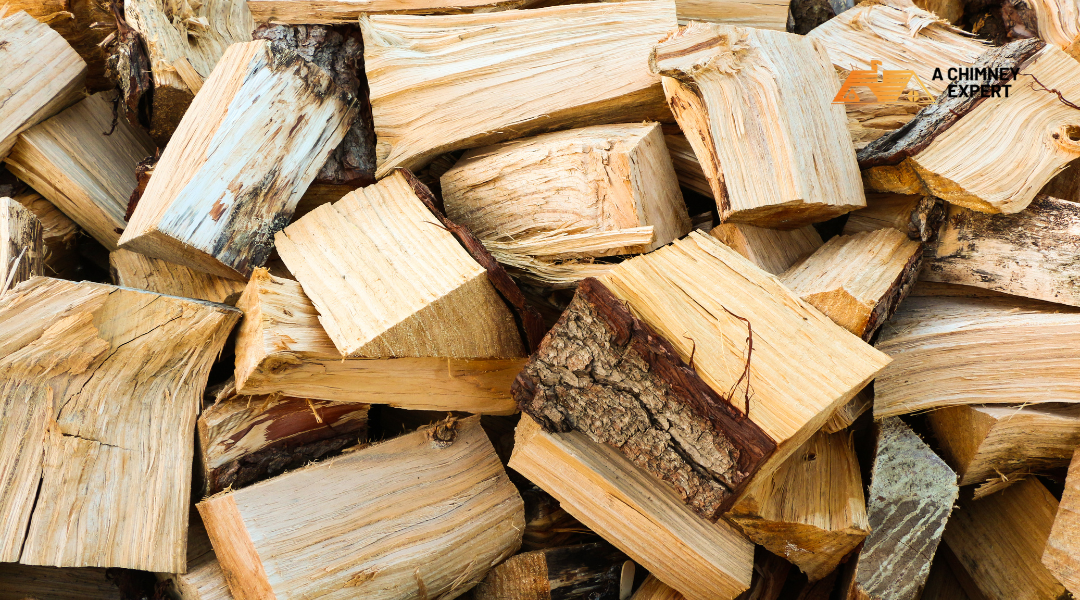
Hardwoods like oak, hickory, and maple are dense and produce more heat per log compared to softer woods. They also create longer-lasting coals, which extend the heat release even after the fire dies down.
Burning properly seasoned hardwood reduces smoke, creosote buildup, and the risk of chimney fires. It also minimizes wasted fuel, making each firewood load more cost-effective.
Avoid Softwood And Treated Or Green Logs
Softwoods such as pine or fir burn quickly and produce less heat. They often cause more smoke and faster creosote accumulation, increasing fire hazards.
Logs that are green, meaning freshly cut, have high moisture content and produce significant steam rather than heat. They cause inefficient burning and excessive smoke.
Treated or painted wood contains chemicals that release toxic fumes when burned and should never be used in fireplaces. Using only untreated, dry hardwood keeps the fire clean and safe.
Choosing the right wood ensures cleaner combustion and better warmth from every fire.
Keep Your Chimney Clean And Clear
Maintaining a clean chimney is essential for improving heat output and ensuring safety. Regular care prevents buildup that can restrict airflow and reduce efficiency. Removing blockages and creosote buildup allows the fireplace to operate at its best.
Remove Creosote Buildup With Regular Chimney Sweeping
Creosote is a flammable residue that forms inside the chimney when wood burns. If left untreated, it restricts airflow and increases the risk of chimney fires. Sweeping the chimney at least once a year, preferably before the heating season, removes this buildup.
Professional chimney sweeps use specialized brushes and equipment to clear creosote safely and thoroughly. This cleaning maximizes air circulation, which feeds the fire oxygen and enhances heat production. Routine sweeping also extends the chimney’s lifespan by preventing damage caused by creosote deposits.
Eliminate Blockages Like Animal Nests Or Debris
Obstructions such as animal nests, leaves, and other debris can block the chimney flue, reducing draft and trapping heat inside the fireplace. These blockages impair airflow and cause smoke or carbon monoxide to enter the home.
Regular inspection and removal of obstructions keep the chimney clear. This ensures proper ventilation and allows warm air to circulate freely. Homeowners should watch for noises or signs of animals and schedule professional cleanings to remove stubborn debris safely.
Use A Fireplace Insert For Efficiency
A fireplace insert transforms a traditional masonry fireplace into a more efficient heat source. It involves installing a steel or cast iron box that fits inside the existing fireplace, improving heat output and reducing energy loss.
Benefits Of A Wood-Burning Insert
Wood-burning inserts significantly increase heating efficiency compared to open fireplaces. The enclosed design allows for better control of the fire and airflow, resulting in more heat directed into the room rather than lost up the chimney.
Inserts reduce drafts and limit warm air from escaping when the fireplace is not in use. Many models meet EPA standards, offering cleaner burns and lower emissions. This means homeowners save on wood and reduce environmental impact.
Installing an insert also enhances safety by securing the fire within a durable metal container, minimizing the risk of sparks or embers escaping into the living space.
How Inserts Trap And Circulate Heat
Fireplace inserts work by sealing the firebox and using air circulation systems to distribute heat efficiently. The metal box absorbs heat from the burning wood and radiates it outward.
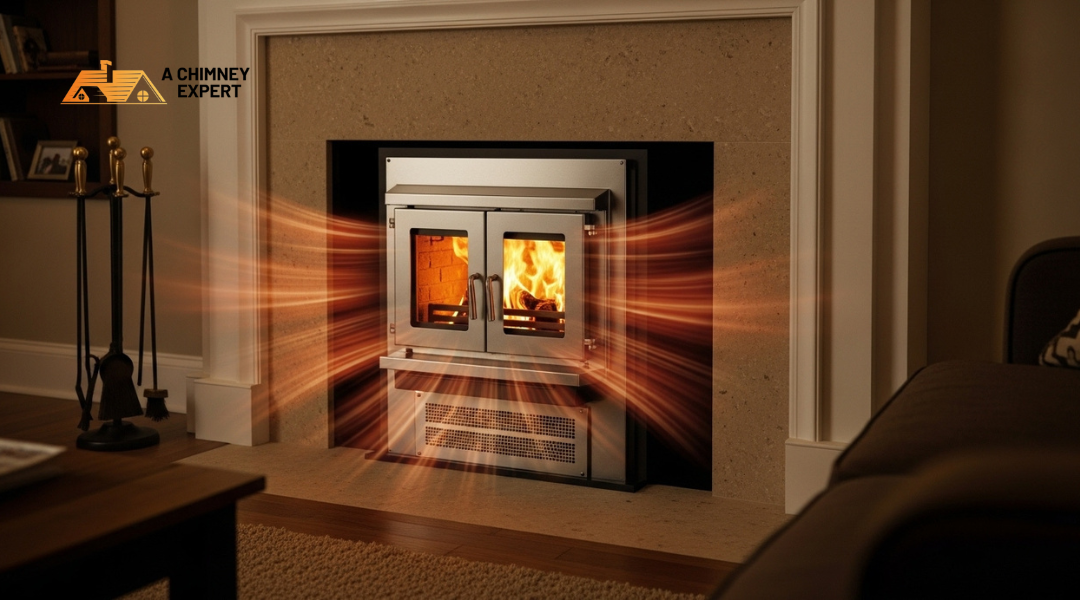
Many inserts feature a blower or fan that pushes warm air into the room, speeding up heat circulation. Glass doors on inserts prevent heat loss by closing off the chimney opening while allowing radiant heat to pass through.
Lining the chimney with a steel or cast-iron flue enhances draft control and further contains heat within the home. This combination of features helps maximize heat output and minimize wasted energy.
Install A Top-Sealing Damper
A top-sealing damper fits at the very top of the chimney, providing a tight closure that stops heat from escaping when the fireplace is not in use. It also helps regulate airflow more precisely, enhancing the efficiency of the fire and reducing drafts. These features directly contribute to better heat retention and improved combustion control.
Prevent Heat Loss When Fireplace Is Not In Use
Top-sealing dampers create an airtight seal at the chimney’s top, blocking warm indoor air from rising and escaping. This seal significantly reduces energy loss by preventing heated air from leaving through an open or poorly sealed chimney flue.
Since the damper installs above the firebox, it eliminates gaps often found with traditional throat dampers. This design prevents cold drafts from entering the home and stops rain, snow, and animals from getting inside the chimney.
Because it seals tightly against the chimney cap or rain guard, the damper locks out moisture, protecting the chimney structure and maintaining its integrity over time.
Improve Draft Control And Airflow
Top-sealing dampers allow precise control of airflow by regulating how much air reaches the fire. They are connected to a cable or lever for easy adjustment from the fireplace.
By controlling the amount of oxygen available, the damper improves combustion efficiency, which produces more heat while reducing wasted fuel. Proper airflow also limits smoke spillage into the room.
The damper’s tight fit minimizes unwanted drafts when the fireplace is in use, maintaining a stable, controlled draft up the chimney. This boosts heating performance and creates a safer, more comfortable environment.
Circulate Warm Air With A Fireplace Blower
Fireplace blowers improve heat distribution by moving warm air from the firebox into the surrounding living areas. They enhance efficiency and ensure more consistent warmth throughout the room.
How Blowers Push Heat Into Living Areas
A fireplace blower utilizes a fan to draw cool air from the room into the unit. This air passes over heated components inside the fireplace, warming it before the blower pushes it back out through vents.
By circulating heated air, blowers prevent warm air from stagnating near the fireplace. This process increases the overall heat output felt in the room. It also helps reduce heat loss through the chimney by keeping warm air inside living spaces.
Blowers are typically positioned either inside the firebox or attached externally. Their quiet operation allows continuous use without disturbing occupants. With proper installation, they can raise room temperatures by several degrees, making the fireplace’s heat more effective.
Choosing The Right Blower System
Selecting the correct blower depends on fireplace size, room layout, and heating needs. Standard options include:
- Heat-powered blowers: operate without electricity, using heat to turn the fan. Ideal for moderate heat circulation but less powerful.
- Electric blowers: powered by an electric fan, deliver stronger airflow and wider coverage. Best suited for larger rooms or maximum heat distribution.
Consider blower CFM (cubic feet per minute) ratings to match the space size. Higher CFM means more air moved and better circulation. Noise level and ease of maintenance are also important factors.
A Chimney Expert LLC in Oak Grove, Virginia, recommends consulting a professional to ensure compatibility with specific fireplace models and local building codes. Properly matched blowers maximize heat efficiency and extend fireplace comfort.
Reflect Heat Into The Room With A Fireback
A fireback increases heat output by absorbing and reflecting warmth from the fire into the living space. It protects the fireplace’s rear wall from heat damage while radiating stored heat even after the fire dies down.
What Is A Fireback And How It Works
A fireback is a metal plate placed at the back of the fireplace, directly behind the burning logs. It absorbs heat from the fire and radiates it back into the room, preventing heat loss into the hearth’s masonry or chimney.
By reflecting heat forward, the fireback significantly raises fireplace efficiency. It also shields the firebox’s brick or stone wall, reducing wear from intense heat. This simple addition requires no power and works passively with any wood-burning setup.
Best Materials For Heat Reflection
Cast iron is the most common and effective material for firebacks. It holds high heat, slowly releasing it into the room over time. Its durability also protects the fireplace structure.
Stainless steel is another option, known for being lighter and resistant to rust but less efficient at retaining heat compared to cast iron.
Material Comparison:
| Material | Heat Retention | Durability | Weight | Rust Resistance |
|---|---|---|---|---|
| Cast Iron | High | Very High | Heavy | Moderate |
| Stainless Steel | Moderate | High | Lightweight | High |
Choosing cast iron offers the best balance of heat retention and protection, making it the preferred choice for maximizing fireplace warmth.
Seal Drafts And Improve Room Insulation
Reducing drafts and improving insulation around the fireplace area can significantly increase the heat retained in living spaces. Controlling airflow through unused rooms and sealing gaps at doors and windows are effective steps to maintain warmth.
Close Off Unused Rooms And Windows
Closing doors to unused rooms prevents warm air from escaping into colder, unheated spaces. This action directs heat toward occupied areas, improving overall comfort and reducing wasted energy.
Windows in less-used rooms should also be shut tightly, with any gaps sealed using weatherstripping or caulking. Preventing cold air from entering through cracks reduces drafts that can undermine the fireplace’s warmth.
Attention to small openings, like vents or poorly insulated walls, helps maintain stable indoor temperatures. These simple adjustments keep heat concentrated, improving heating efficiency.
Use Door Draft Stoppers And Insulated Curtains
Door draft stoppers block cold air from entering through gaps at the bottom of doors. They are easy to install and remove, offering a cost-effective way to reduce heat loss.
Heavier, insulated curtains over windows limit heat transfer, especially on cold nights. Fabrics designed for insulation create a barrier against drafts and reduce thermal exchange.
Using these together — draft stoppers and insulated curtains — can cut down on heat loss around openings near the fireplace. This boosts the overall warmth felt in the room without additional heating fuel.