As a homeowner, ensuring the safety of your property is a top priority. To identify if your chimney poses a hidden fire hazard, it’s essential to look for warning signs such as creosote buildup, water damage, or unusual odors. Regular inspections can help you catch these risks before they escalate into dangerous situations.
The National Fire Protection Association emphasizes that chimney fires can start silently due to the buildup of creosote, which is a byproduct of burning wood. This risk is heightened if your chimney hasn’t been cleaned or inspected regularly by a professional. At A Chimney Expert LLC, we offer thorough chimney inspections that meet the standards of the Chimney Safety Institute of America, ensuring you have peace of mind.
Don’t wait for problems to arise; proactive maintenance is the key to keeping your chimney safe. Whether it’s a simple cleaning or a comprehensive evaluation, addressing these issues now can protect your home and family from potential fires in the future.
Understanding Chimney Fire Hazards
Chimney fire hazards can pose serious risks to your home. By knowing what causes these fires, recognizing hidden dangers, and understanding how your chimney’s structure and usage affect these risks, you can better protect your home.
What Causes Chimney Fires?
Chimney fires often start from creosote buildup. Creosote is a flammable substance formed when wood burns. If wood burns efficiently, less creosote forms. However, burning wet or unseasoned wood increases creosote accumulation. Other causes of chimney fires include debris like leaves and animal nests blocking the chimney flue. Any obstruction can trap heat and fuel a fire. Lastly, faulty chimney structure or materials can also contribute to fire risks. Regular cleaning and inspection help prevent these dangerous situations.
The Difference Between Obvious and Hidden Hazards
Obvious hazards include visible cracks or damage to the chimney structure. You can spot these issues easily during routine checks. However, hidden hazards are more insidious. They may include creosote buildup deep within the flue or internal damage not visible from the outside. These dangers often build up over time without your knowledge. Lack of maintenance increases the risk of chimney fires. Always hire a professional to inspect and clean your chimney annually to uncover hidden dangers.
How Chimney Structure and Usage Impact Risk
The structure of your chimney plays a critical role in fire risk. Tall chimneys with proper flue sizes improve ventilation, reducing the chance of buildup. Conversely, short or improperly sized chimneys can lead to excessive heat retention.
Your usage habits also significantly impact risk. Burning only dry, seasoned wood minimizes creosote buildup. Overloading the fireplace can also raise temperatures and lead to blockages. Regular maintenance and responsible usage are key to preventing chimney fires. By understanding these aspects, you can keep your home safer.
Warning Signs Your Chimney May Have a Hidden Fire Hazard
Being aware of specific signs can help you identify potential fire hazards in your chimney. Problems such as strange odors, soot buildup, and visible cracks should not be ignored. These indicators can turn your cozy fireplace into a danger zone if left unaddressed. Here are key points to watch for.
Strange Odors (Creosote or Burning Smell)
If you notice unusual smells coming from your chimney, pay close attention. A strong, unpleasant odor often indicates a buildup of creosote, which is highly flammable. This substance can ignite and cause a chimney fire.
Additionally, any burning smell when your fireplace is not in use can suggest a hidden issue. This might mean embers are trapped in the flue or that materials are smoldering, possibly leading to smoke and carbon monoxide leaks into your home.
Soot Buildup and Black Stains Around Fireplace
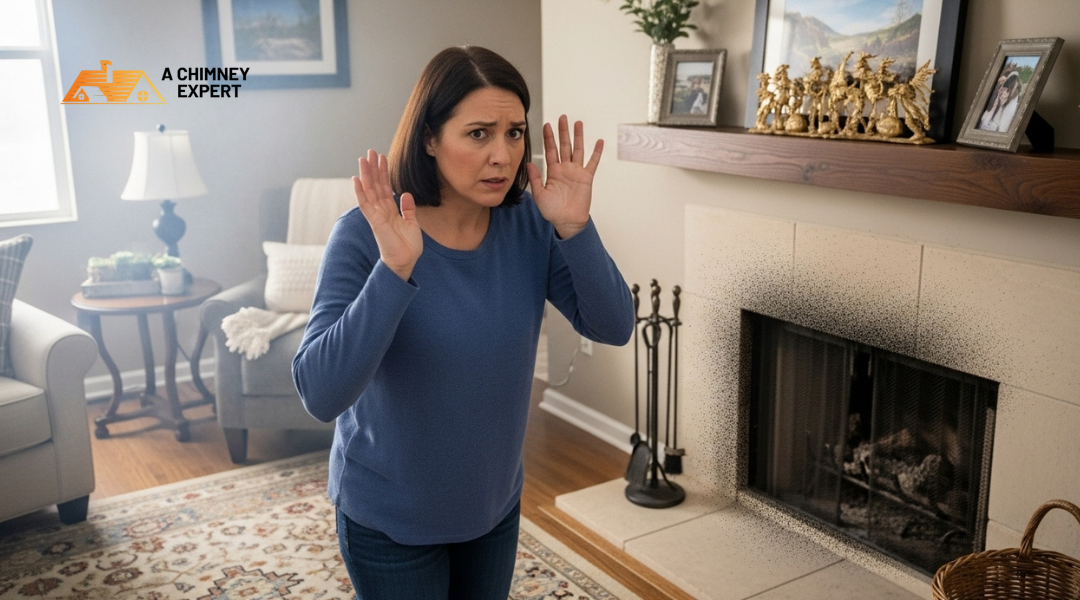
Excessive soot should be a major concern. Look for dark, oily stains around the fireplace area. These marks indicate a significant buildup of soot, which can block airflow and lead to poor heating efficiency.
Over time, this buildup can ignite, starting a chimney fire. Regular inspections and cleanings help keep soot under control. If you see these signs, it’s time to call a professional for a thorough cleaning and inspection.
Poor Draft or Smoke Backing Into the Home
A proper draft is crucial for your chimney’s function. If you experience smoke backing into your home instead of rising up the chimney, this is a serious warning sign. It can indicate blockages, which cause poor airflow.
Inadequate draft can also lead to carbon monoxide accumulating in your living space, posing a poisoning risk. If you notice more smoke than usual, consider having your chimney inspected immediately to locate and fix the issue.
Cracks in Chimney Liner or Masonry
Visible cracks in the chimney liner or masonry are a clear warning sign of potential hazards. These defects can result from age, weather exposure, or improper installation.
Cracks can allow heat and gases to escape, increasing the risk of a chimney fire or even structural damage. Inspect your chimney regularly. If you see cracks, get a chimney expert to assess the situation and make repairs.
Discoloration or Warping of Nearby Walls and Ceiling
Take note of any changes to nearby walls or ceilings. Discoloration or warping can indicate heat damage from your chimney. This might mean that the chimney is not venting properly, leading to excess heat build-up.
Such issues can also signal a risk of fire or carbon monoxide seepage. If you see these signs, it’s critical to get a professional evaluation. They can help determine the cause and necessary actions to ensure your safety.
Common Causes of Hidden Chimney Hazards
Chimneys can harbor hidden fire hazards that put your home at risk. Common causes include creosote buildup, blockages from debris, and damage to the flue liner. Over time, structural issues and improper installation or repairs can also contribute to these dangers. Understanding these causes can help ensure your chimney remains safe and functional.
Creosote Accumulation and Inadequate Cleaning
Creosote is a thick, black substance that forms when wood burns. It can build up inside your chimney, especially if you use unseasoned or wet wood. This buildup is highly flammable and can ignite, causing a chimney fire.
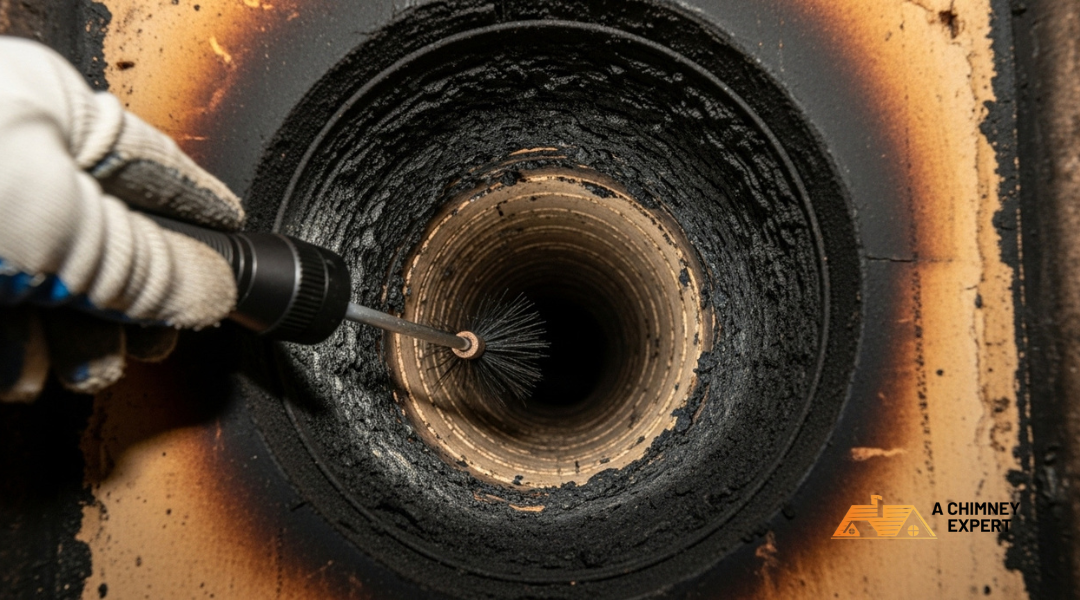
Inadequate cleaning is a major contributor to creosote accumulation. Regular inspections and cleanings are vital to reducing creosote levels. Ideally, you should have your chimney inspected at least once a year. If you notice a strong smell of smoke or see a buildup inside the flue, take action immediately to get your chimney cleaned.
Animal Nests or Debris Blockages
Birds, squirrels, and other animals may decide to make a home in your chimney. Their nests can block the flow of exhaust gases, leading to hazardous conditions. Debris such as leaves or twigs can also contribute to these blockages.
If your chimney is blocked, smoke may back up into your home, leading to smoke inhalation or fire hazards. Installing a chimney cap can help prevent animals from entering and keep debris out. Regular checks for blockages are essential to maintaining proper airflow.
Flue Liner Damage or Deterioration
Your flue liner is crucial for protecting your chimney and your home. It directs gases safely outside and prevents heat from transferring to combustible materials. Over time, flue liners can become damaged or deteriorate due to heat or moisture.
Cracks in the flue liner can allow flammable gases to escape, increasing the risk of a fire. To assess the condition of your flue liner, periodic inspections are important. If you notice cracks or other signs of damage, consider a professional repair to restore its integrity.
Structural Issues From Age or Water Damage
As your chimney ages, it may develop structural issues that compromise its safety. Elements like spalling, where bricks become loose or fall out, can weaken the chimney. Water damage can also lead to serious problems, impacting the chimney’s overall structural integrity.
Leaks from rain or snow can allow moisture to penetrate the chimney system. This moisture can damage the chimney crown and flashing, elevating the risk of deterioration. Regularly inspect the chimney for signs of wear and tear, and address any issues promptly to avoid costly repairs.
Improper Chimney Installation or Repairs
Chimneys that are not installed correctly can have serious hidden hazards. Poor installation may lead to gaps or misalignments in the flue system. These can result in smoke backup or inefficient ventilation.
Additionally, if repairs are not done by a professional, they may fail to meet safety standards. Always engage a qualified technician for any chimney-related work. Proper installation and repairs ensure your chimney operates safely and effectively, protecting your home from potential hazards.
Professional Inspections: The Only Way to Be Sure
Regular professional inspections are crucial for maintaining a safe and efficient chimney. They ensure that any hidden fire hazards are identified and addressed effectively. Here’s what you should know.
Importance of Annual Chimney Inspections
Annual chimney inspections are essential for your safety. They help spot issues before they become severe problems. Creosote buildup, cracks, and blockages can lead to dangerous chimney fires.
During these inspections, a professional chimney sweep evaluates the condition of your chimney, ensuring it meets safety standards. Following the recommendations of the National Fire Protection Association (NFPA), an inspection can prevent costly damage and ensure your heating system operates safely.
Keeping your chimney clean and inspected can also improve air quality in your home.
What to Expect During a Level 1, 2, or 3 Inspection
Chimney inspections vary in depth and detail. A Level 1 inspection is the most basic. It covers visible and accessible parts of the chimney and flue. The inspector checks for signs of wear and ensures the structure is sound.
A Level 2 inspection includes the same checks but also addresses areas that require certain tools to access. This level becomes vital if issues arise during the Level 1 inspection.
A Level 3 inspection is the most comprehensive. It investigates concealed areas and may involve more extensive work to evaluate construction integrity. Knowing the levels helps you understand how thorough the inspection process will be.
Why DIY Inspections Are Not Enough
Attempting a DIY chimney inspection may put you at risk. You might miss critical signs of damage or buildup. Professionals possess specialized tools and knowledge to identify problems accurately.
While you may clean your chimney occasionally, only a professional chimney sweep can provide a complete assessment. Certain hazards, like creosote deposits, may not be visible without the right equipment. An expert can also advise on proper chimney cleaning and maintenance.
Relying solely on your visual inspection does not ensure safety. For peace of mind, trust a qualified chimney service to inspect your chimney regularly.
What to Do If a Hidden Hazard Is Found
Finding a hidden fire hazard in your chimney can be alarming. It’s essential to act quickly and safely to protect your home and loved ones. Addressing the issue involves immediate safety measures, necessary repairs, and professional help.
Immediate Safety Measures
First and foremost, prioritize safety. If you suspect a hazard, stop using your fireplace or stove immediately. This prevents any potential fires from becoming more severe.
Next, ensure that your home is equipped with a functioning carbon monoxide detector. These detectors alert you to dangerous gas buildup, which can occur if there are blockages in your chimney.
If you notice strong smoke or unusual smells, evacuate your home and call emergency services. Do not attempt to inspect the chimney yourself, as this can be hazardous.
Recommended Repairs and Solutions
After ensuring safety, it’s time to focus on repairs. A thorough inspection by a trained professional is essential. They can check for creosote buildup, cracks, or blockages that could pose safety risks.
Repairs may include cleaning the chimney, removing hazardous materials, or sealing cracks. You’ll want to address any structural issues promptly to prevent further damage.
Consider installing a chimney cap to keep debris and animals from entering. This cap can help maintain airflow and reduce buildup. Regular maintenance is vital to ensure your chimney remains safe for use.
How A Chimney Expert LLC Can Help Restore Safety
A Chimney Expert LLC has the experience and tools needed to handle chimney hazards effectively. Our trained professionals will conduct a thorough inspection to identify any issues.
Once problems are found, we will recommend tailored solutions. Our services include cleaning, repairs, and ongoing maintenance that ensure your chimney operates safely.
Keeping your chimney in top condition protects your home and enhances your home safety. Trust us to restore safety and peace of mind for you and your family.
Tips to Prevent Chimney Fire Hazards Year-Round
Keeping your chimney safe from fire hazards requires regular attention and care. There are several effective ways to reduce risks and ensure your fireplace operates safely.
Schedule Regular Cleanings and Inspections
You should have your chimney cleaned and inspected annually. This process removes creosote buildup, a flammable substance that can ignite and cause chimney fires. If you use your fireplace or wood stove frequently during winter, consider scheduling additional cleanings.
An inspection reveals any structural issues, such as cracks or blockages. Hiring a professional ensures that all safety guidelines are followed, and any necessary repairs can be made promptly. Regular chimney maintenance not only prevents fires but also improves overall efficiency, allowing for better ventilation.
Use Properly Seasoned Firewood
Using seasoned wood is essential for safe burning. Seasoned wood has lower moisture content, which means it burns more cleanly. In contrast, unseasoned wood can create more smoke and creosote, which increases the risk of chimney fires.
Aim to use wood that has been dried for at least six months. Hardwoods like oak or maple are excellent choices, burning hotter and longer. Always store wood in a dry place to ensure it remains seasoned. This practice not only protects your chimney but also enhances your fire experience.
Install and Maintain a Chimney Cap
A chimney cap is a protective cover that keeps debris, rain, and animals out of your chimney. Installing a cap helps maintain proper airflow and prevents blockages.
Choosing the right cap involves selecting one made of durable materials, such as stainless steel. Regularly check your chimney cap for damage or rust, as this can affect its effectiveness. Proper ventilation is crucial to prevent chimney fires. A well-maintained cap can also extend the life of your chimney by protecting it from the elements.
Be Cautious with DIY Fixes and Store-Bought Logs
While DIY projects can be rewarding, fixing chimney issues may require professional help. Attempting to repair structural damage yourself can worsen problems and create safety hazards. Always consult with a chimney expert for any significant repairs.
When using store-bought logs, read the labels carefully. Some quick-light logs contain additives that can lead to creosote buildup. Opt for natural wood products whenever possible. Awareness about what you burn is key to preventing chimney fires and ensuring your fireplace operates efficiently.