Many homeowners do not realize that an uninsulated or poorly sealed chimney can be a major source of heat loss. If your chimney allows drafts or cold air to enter, it is wasting energy and raising your heating costs. This energy loss is often subtle but can significantly affect your home’s comfort during colder months.
Signs of poor chimney insulation include cold drafts near the fireplace, unusually strong airflow when a fire is lit, and higher heating bills. Addressing these issues early with proper sealing, insulation, and maintenance can improve your home’s energy efficiency and reduce unnecessary expenses.
A Chimney Expert LLC in Oak Grove, Virginia, specializes in identifying and fixing these problems. Their services help ensure chimneys are safe, properly insulated, and functioning efficiently to keep homes warm without wasting energy.
How Your Chimney Affects Energy Efficiency
A poorly maintained chimney can significantly impact a home’s heating efficiency by allowing unwanted air exchange. Issues like heat loss and draft problems can increase energy costs and reduce indoor comfort. Proper design, insulation, and damper function are key to controlling airflow and retaining warmth.
Chimneys as Unintended Heat Vents
When not properly sealed or insulated, chimneys act like vents for warm air to escape. Heated air from inside the home rises through the chimney and leaves, pulling cold outside air in to replace it. This continuous airflow increases heating demand.
Unused or blocked chimneys worsen this problem by creating a direct path for heat loss. Sealing unused flues and installing chimney balloons or caps can reduce this unwanted venting. It is essential to address these leaks to minimize unnecessary energy waste.
The Role of Flue Design, Dampers, and Insulation
The chimney flue’s design influences how well it controls airflow. An improperly sized or damaged flue can reduce draft efficiency, causing heat to escape or smoke to backdraft.
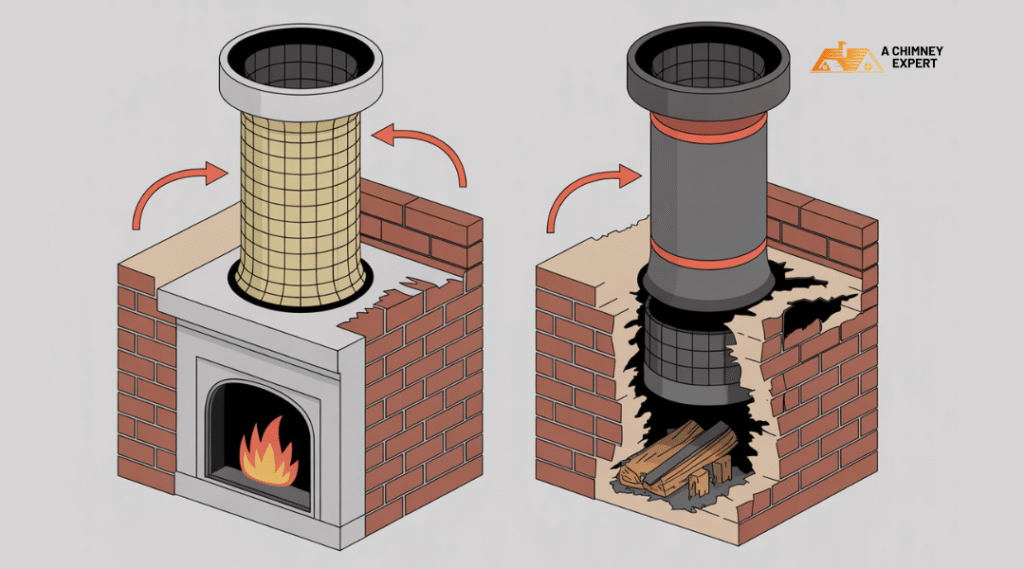
Dampers regulate airflow inside the chimney. If the damper is broken or left open, warm air freely escapes. Ensuring the damper seals tightly when closed is important.
Insulation around the chimney also reduces heat loss. Without proper insulation, cold air can seep in through gaps around the chimney structure, further decreasing energy efficiency.
Stack Effect: How Warm Air Escapes and Cold Air Enters
The stack effect occurs when warm air rises inside a building, escaping through openings like chimneys. This rising warm air pulls cold, denser air through lower openings such as doors and windows.
In colder months, this results in increased heating loads as the home constantly replaces lost warm air. Chimney leaks or damaged seals exacerbate the stack effect by providing an easy escape path for warm air.
Controlling this effect requires meticulous sealing and insulation to prevent draft entry and warm air loss through the chimney.
Signs Your Chimney Might Be Wasting Energy
A chimney that is poorly insulated or damaged can allow warm air to escape and cold air to enter, reducing heating efficiency. Identifying specific signs early helps prevent energy loss and costly heating bills.
Unusual Drafts or Cold Spots Near the Fireplace
Feeling cold drafts or noticeable air movement near the fireplace indicates leaks in the chimney or damper. These drafts allow cold air to enter the home, lowering indoor temperatures.
Such air intrusion forces heating systems to work harder, increasing energy use. The source is often gaps around the chimney crown, flue, or damaged damper seals. Addressing these leaks restores proper airflow and improves comfort.
High Heating Bills Despite a Well-Sealed Home
If heating costs rise without changes in thermostat settings or home insulation, the chimney might be the cause. Warm air may escape through cracks or poor chimney insulation.
This hidden energy loss often goes unnoticed because the rest of the home appears airtight. Inspecting the chimney for damage or missing insulation helps identify the problem. Repairing these issues reduces waste and lowers expenses.
Condensation or Moisture Around the Chimney
Excess moisture or condensation on walls or ceilings near the chimney can signal heat loss and poor insulation. Warm indoor air meets cool chimney surfaces, creating dampness.
This situation not only wastes energy but also risks structural damage and mold growth. Moisture stains or damp patches should be checked promptly. Proper sealing and insulating of the chimney can prevent these problems.
Visible Gaps, Cracks, or Damaged Chimney Components
Cracks in bricks, mortar deterioration, or damaged flashing are clear signs the chimney is compromised. These defects let heat escape and cold air enter.
Regular visual inspection can reveal these issues early. Even small gaps around the chimney structure lead to significant energy loss. Timely repairs and sealing restore the chimney’s integrity and improve insulation.
Soot Buildup or Persistent Odors After Fires
Excessive soot or lingering smells after burning wood can indicate poor draft and ventilation. Incomplete combustion causes soot accumulation and smoke backflow.
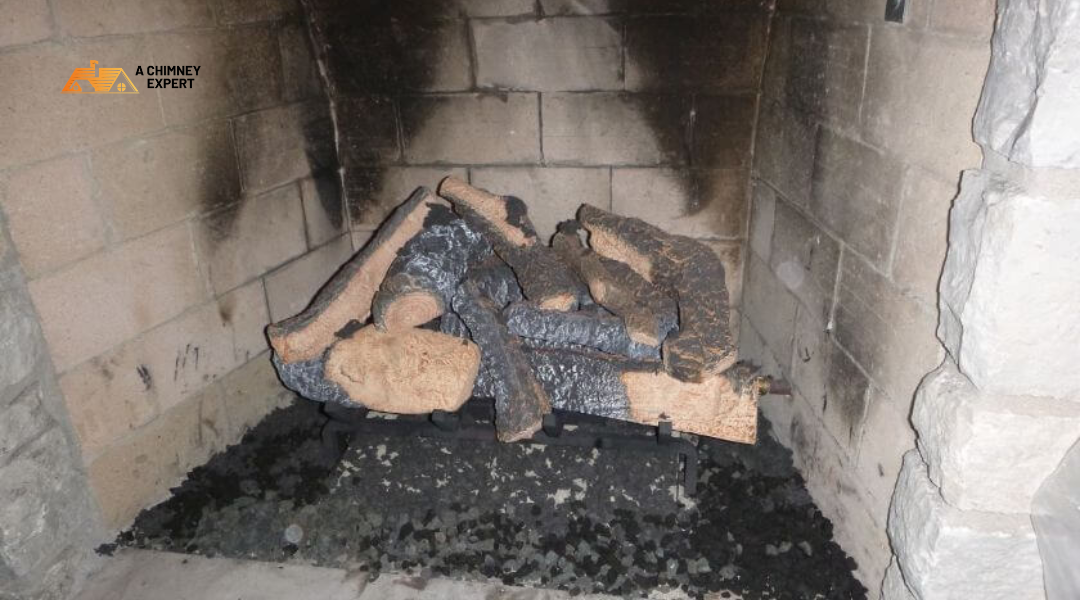
This buildup obstructs airflow, reducing heating efficiency and causing drafts. It also often signals creosote deposits, which pose fire hazards. Professional chimney cleaning removes these blockages, enhancing energy performance and safety.
Common Causes of Chimney Energy Loss
Energy loss in chimneys often results from specific physical issues that create gaps or allow uncontrolled airflow. These problems reduce indoor heating efficiency by letting warm air escape or cold drafts enter, increasing energy costs.
Damaged or Missing Chimney Cap
A chimney cap prevents rain, debris, animals, and unwelcome drafts from entering the chimney. When the cap is damaged or missing, cold air can enter freely, increasing heat loss.
Without a properly sealed cap, warm indoor air rises and escapes through the chimney opening. This creates a continuous draft that pulls cold air into the home, lowering indoor comfort.
Caps also protect the chimney structure. Damage exposes the masonry to moisture, which can worsen other energy-wasting issues over time.
Poor or No Chimney Liner
The chimney liner acts as a barrier inside the flue, protecting against heat transfer and toxic gases.
A damaged or absent liner allows heated air to escape through cracks and gaps in the chimney walls. This reduces thermal efficiency and creates cold drafts inside the home.
Liners also help regulate draft control. When compromised, smoke and gases can seep into living spaces, causing health and safety concerns while reducing heating effectiveness.
Improperly Fitted or Rusted Damper
The damper controls airflow between the chimney and indoor space. If it doesn’t seal tightly due to rust or poor fitting, warm air leaks out.
A faulty damper lets heat escape even when the fireplace is not in use, contributing to significant energy loss. Drafts can enter during cold weather, increasing heating demands.
Regular damper inspection and maintenance are essential to maintain a tight seal, preventing unnecessary heat waste.
Masonry Deterioration and Gaps in Mortar
Cracks or gaps in chimney masonry and mortar joints allow air to pass freely in and out of the chimney.
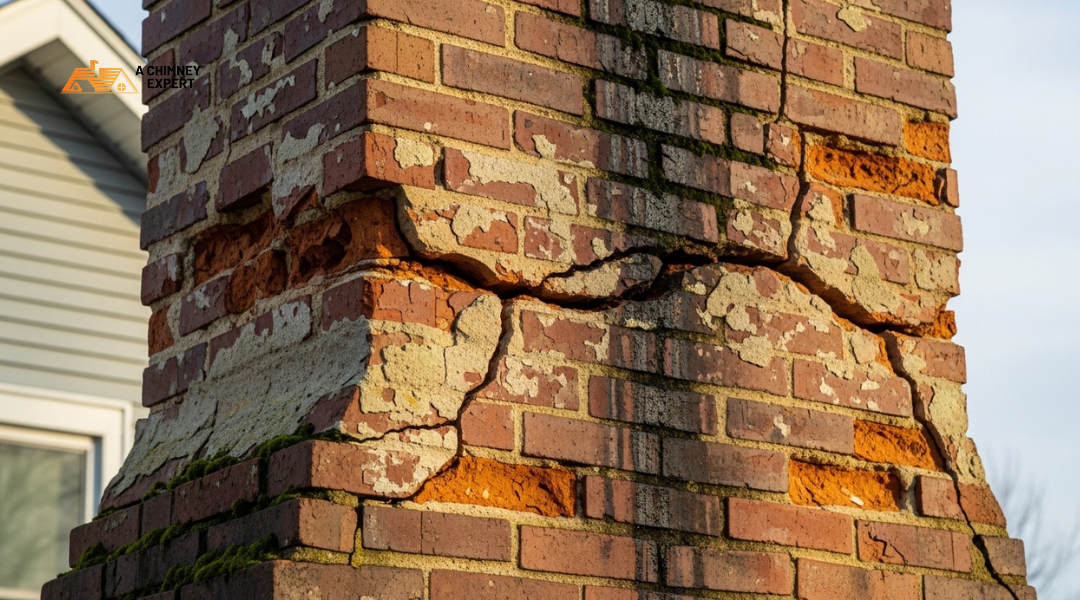
These openings reduce overall insulation, enabling warm air to escape and cold air to infiltrate the home. Deterioration can worsen over time with weather exposure.
Addressing masonry issues promptly helps retain heat more effectively and prevents further structural damage or energy inefficiency.
Inadequate Insulation Around the Flue
Proper insulation surrounding the chimney flue is essential to minimize heat loss and maintain chimney performance.
Without adequate insulation, cold air cools the flue walls, causing warm indoor air to be pulled up and out of the home. This leads to uncomfortable drafts and higher heating costs.
Insulating materials designed for high temperatures can improve thermal efficiency, reduce heat escape, and stabilize indoor temperature.
Professional Inspection & Diagnosis: What to Expect
A professional chimney inspection uses specialized tools and techniques to identify energy loss caused by poor insulation or drafts. Inspectors evaluate the chimney’s structure, airflow, and sealing to pinpoint where heat escapes or cold air enters.
This process often includes advanced diagnostic methods, a thorough evaluation by certified experts, and tailored solutions based on the chimney’s condition and the homeowner’s needs.
Thermal Imaging and Smoke Testing
Thermal imaging cameras detect heat loss by visualizing temperature differences on chimney surfaces. This reveals areas where insulation is missing or compromised.
Smoke testing involves introducing harmless smoke into the chimney system to identify leaks or draft issues. When smoke escapes through cracks or gaps, it highlights weak points in the chimney’s seal.
Together, these tests provide a clear map of where warm air is escaping or cold air is infiltrating, allowing for precise diagnosis of energy inefficiencies.
CSIA-Certified Chimney Evaluation Process
A CSIA-certified professional follows a standardized process that covers structural integrity, clearances, and venting function.
The inspection includes checking the chimney’s masonry, flue liner, chimney cap, and damper for damage or wear that may cause heat loss. They also assess ventilation and potential moisture issues.
This certification ensures the inspector uses industry-approved methods and safety standards to evaluate energy waste accurately.
Custom Recommendations for Repair or Retrofitting
After diagnosis, the expert provides specific recommendations tailored to the chimney’s problems.
These may include sealing gaps, replacing or adding insulation, upgrading the chimney cap, or installing energy-efficient dampers.
Recommendations prioritize cost-effectiveness, local code compliance, and maximizing energy savings while maintaining chimney safety and performance.
Energy-Saving Solutions for Your Chimney
Reducing heat loss and preventing drafts require targeted improvements tailored to the chimney’s design and condition. Proper sealing, insulation, and upgrading components can significantly improve efficiency and lower energy costs.
Installing or Replacing a Chimney Liner
A chimney liner protects the masonry and guides combustion gases safely outside. Installing or replacing a liner can reduce heat loss by maintaining proper draft control and minimizing air leakage. Modern liners are made from stainless steel or cast-in-place options that also resist corrosion.
Without a properly functioning liner, warm indoor air can escape through cracks and gaps. This leads to higher heating costs and drafts in living spaces. Installing a liner designed for insulation adds a barrier against heat transfer, improving safety and energy conservation.
Sealing Drafts with Top-Sealing Dampers
Top-sealing dampers fit at the top of the chimney and offer superior protection against drafts. Unlike traditional throat dampers, they create an airtight seal when closed, preventing warm air from escaping and block cold air from entering.
These dampers also reduce moisture intrusion, decreasing potential damage to the flue and chimney structure. They are relatively simple to install and can improve energy efficiency by up to 15%. Proper use of a top-sealing damper should be paired with regular inspections.
Insulating the Chimney Flue or Chase
Insulating the chimney flue or chase reduces heat loss by preventing warm air from migrating to unconditioned spaces like attics or crawlspaces. Specialized chimney insulation products fit around liners or inside masonry chases to create an effective thermal barrier.
This insulation decreases temperature fluctuations in the chimney structure, limiting moisture buildup caused by condensation. Keeping heat within the home also helps maintain consistent indoor temperatures and lowers energy bills during colder months. Professional installation ensures optimal placement and safety compliance.
Upgrading to Energy-Efficient Fireplace Inserts
Fireplace inserts replace traditional open fireplaces and enclose the firebox with a sealed, insulated unit. Inserts improve combustion efficiency, reduce heat loss up the chimney, and allow more heat to circulate into living spaces.
Energy-efficient inserts often feature glass doors and adjustable vents to control airflow, helping maintain warmth longer. They can burn wood, pellets, or gas and come in various sizes to fit existing fireplaces. Upgrading not only boosts energy performance but also enhances safety by containing combustible materials.
Ongoing Maintenance to Prevent Future Heat Loss
Routine chimney cleaning and inspection help sustain energy efficiency. Creosote buildup and soot can obstruct airflow and reduce draft effectiveness. Annual cleaning prevents these blockages and allows early detection of damaged liners, dampers, or insulation issues.
Scheduling professional maintenance ensures that any problems causing heat loss or drafts are addressed promptly. Keeping chimneys in good condition supports proper function and safety while minimizing unnecessary energy waste.
Why Oak Grove Homeowners Trust A Chimney Expert LLC
A Chimney Expert LLC is recognized for its reliable chimney services that enhance safety and energy efficiency. Their approach combines extensive experience, local expertise, certified technicians, and proven results in improving chimney performance.
40+ Years of Expertise in Chimney Efficiency
With over four decades of service, A Chimney Expert LLC brings deep knowledge in diagnosing and fixing chimney insulation and draft issues. Their long history means they understand common problems that cause energy loss and how to address them effectively.
They have worked on thousands of chimney projects, allowing them to identify energy inefficiencies quickly. Their experience leads to practical solutions that help homeowners reduce heat loss and improve indoor comfort without unnecessary expenses.
Local Knowledge of Virginia Building Codes and Climate Needs
A Chimney Expert LLC keeps current on Virginia’s building codes and regional climate factors impacting chimney performance. Oak Grove’s weather can cause unique draft and insulation challenges, which this company is well-prepared to handle.
Their familiarity enables them to recommend materials and retrofit options tailored to local conditions. This ensures compliance with regulations and enhances chimney durability against seasonal changes, preventing costly repairs.
CSIA Certification & Insured Technicians
The company employs technicians certified by the Chimney Safety Institute of America (CSIA). This certification guarantees that staff meet strict safety and professional standards essential for effective chimney maintenance.
Being fully insured, A Chimney Expert LLC protects homeowners from liability during service work. This combination of certification and insurance provides clients with confidence in both the quality and safety of the work performed.
Real-World Results from Energy-Efficiency Chimney Retrofits
A Chimney Expert LLC has a track record of successful chimney retrofit projects that improve energy efficiency. Their work includes sealing gaps, upgrading insulation, and installing components that prevent unwanted air leaks.
Homeowners report noticeable reductions in heating costs and better fireplace operation after these retrofits. The company documents these improvements, emphasizing practical benefits rather than theoretical claims.