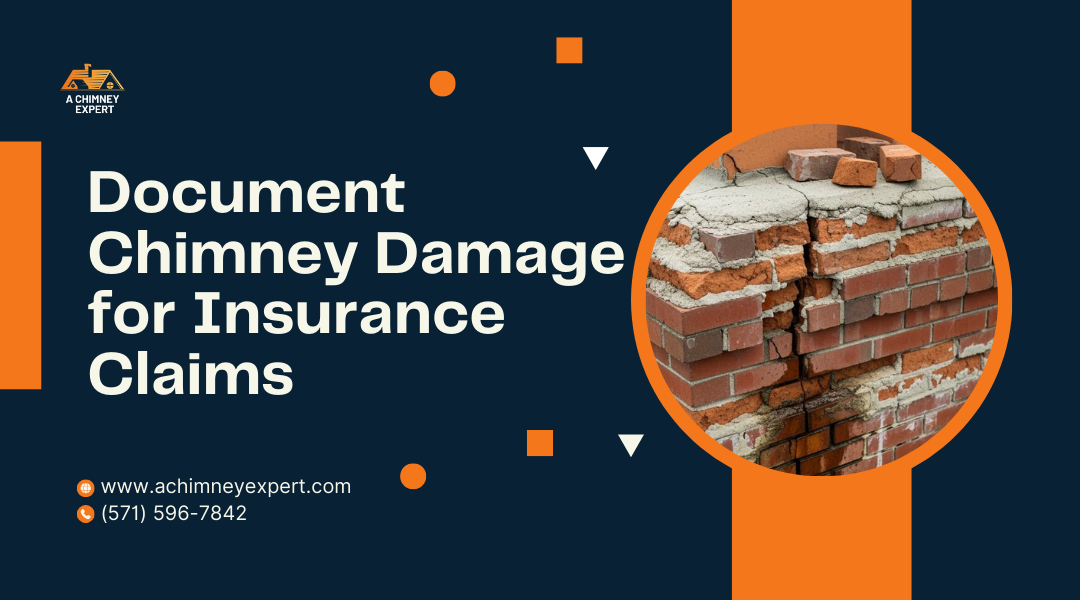
Chimney damage can happen without warning—from a lightning strike, strong wind, or even a chimney fire. What you do next can make a big difference in how smoothly your insurance claim goes. To document chimney damage for an insurance claim, you must record clear evidence of what happened, how it happened, and the extent of the loss—all before repairs begin.
Accurate documentation helps your insurance company verify the cause and value of your claim, reducing delays or disputes. You’ll learn how to identify covered damage, take the right photos, gather repair estimates, and work with licensed professionals who understand what adjusters need to see.
With guidance from A Chimney Expert, a trusted chimney service company based in Sterling, Virginia, you’ll gain the practical steps to protect your property, meet insurance requirements, and move toward safe, timely repairs.
Understanding Insurance Coverage for Chimney Damage
Homeowners insurance can cover chimney damage, but only when the cause fits the policy’s terms. What matters most is whether the damage was sudden and accidental, how exclusions apply, and how key policy terms define your financial responsibility.
What Types of Chimney Damage Are Typically Covered
Most insurance policies protect you from sudden and accidental losses. Damage from a chimney fire, lightning strike, or storm event—such as hail, strong wind, or falling trees—is usually covered. You can also file a claim if vandalism or a collapsing structure caused the damage.
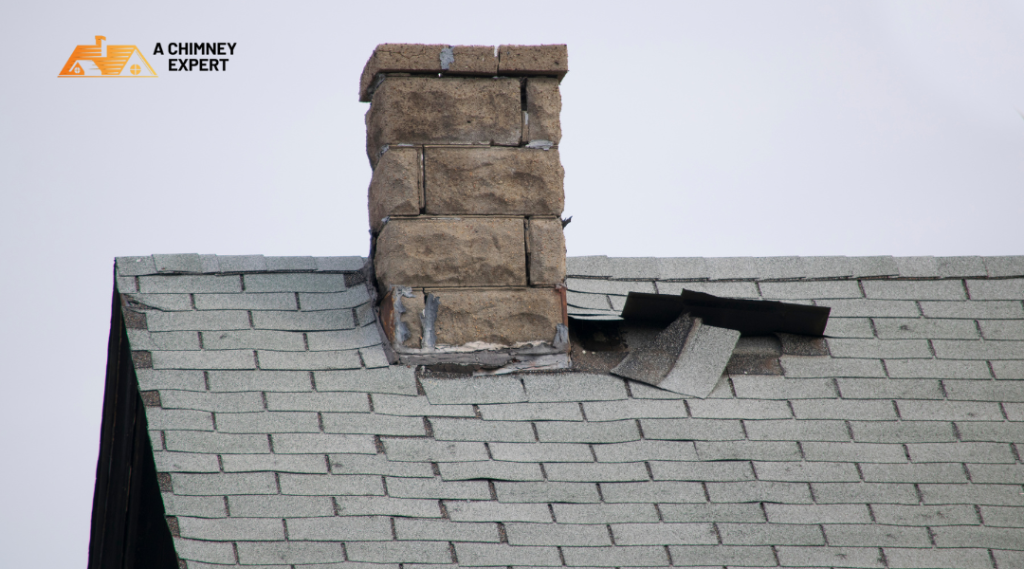
Insurance companies often inspect the cause to confirm it was not due to age or neglect. A licensed chimney professional can help document the event with photos, reports, and repair estimates. These records support your insurance claim and help your insurance provider verify coverage faster.
Some policies also include coverage for ice or snow pressure that leads to collapse. When the structure is beyond repair, your claim may extend to replacement cost for rebuilding a safe, code-compliant chimney. Before approving payment, your insurer will subtract your deductible, so check that amount to understand what you’ll owe out of pocket.
Common Exclusions and Limitations in Policies
Homeowners insurance does not pay for ** gradual wear and tear**, poor maintenance, or installation defects. Damage from moisture intrusion, cracking mortar, or a deteriorated flue liner often falls under these exclusions because they develop over time.
Policies may also limit coverage to the part of the chimney directly damaged by a covered event, not the entire system. Some insurance providers exclude cosmetic repairs unless a safety risk exists.
Here is a quick view of typical exclusions:
| Exclusion | Reason Not Covered |
|---|---|
| Normal aging | Considered maintenance |
| Poor workmanship | Deemed preventable |
| Minor cracks or cosmetic issues | Lack of structural impact |
| Animal nesting damage | Often excluded unless sudden |
Review these limits before filing a claim so you know whether your policy applies to your situation.
Key Terms in Your Insurance Policy
Your insurance policy includes several terms that affect your claim payout. Replacement cost refers to the expense to replace the damaged chimney with new materials of similar quality, while actual cash value deducts for depreciation. Policies that pay replacement cost may provide greater protection.
The deductible is the amount you must pay before the insurer contributes. Higher deductibles usually lower monthly premiums but increase out-of-pocket costs after damage.
Pay attention to coverage limits, which define the maximum the insurance company will pay for structural damage. You might see separate sections for dwelling coverage and other structures, depending on how your home is insured.
When you understand these terms, you can estimate reimbursement more accurately and communicate clearly with your insurance provider during the claims process.
Immediate Actions Following Chimney Damage
Acting quickly after chimney damage helps keep everyone safe, prevents further loss, and supports a smooth insurance claims process. You should first confirm that the area is safe, then alert the proper authorities and your insurance company, and arrange safe temporary housing if your home cannot be lived in.
Ensuring Safety and Contacting Emergency Services
If you suspect recent or ongoing chimney damage, such as cracks, smoke leaks, or a fire, leave the area immediately. Stay outside and keep others away from the structure until you know it is safe. Contact emergency services or your local fire department if you see flames, smell smoke, or hear noises from inside the chimney.
Once the fire is out or danger seems over, ask officials when it is safe to re-enter. Avoid touching damaged masonry or debris since unstable bricks and soot can pose health risks. If a contractor or chimney sweep is required to inspect the site, ensure the area remains off-limits until professionals clear it.
Keep a record of all reports and contacts with emergency responders. These reports later support your insurance claim by showing when the damage occurred and the steps you took to control hazards.
Notifying the Insurance Company Promptly
After contacting emergency responders and confirming safety, notify your insurance provider as soon as possible. Many policies require quick reporting to avoid delays. Provide your policy number, the date of the incident, and a short description of the damage.
Ask the company how to proceed with the insurance claims process, including what documentation, photos, or estimates are needed. Keep all records organized in one folder. You may want to include:
| Document Type | Useful Details |
|---|---|
| Photos/Videos | Show interior and exterior chimney damage |
| Professional Reports | Inspections from chimney sweeps or contractors |
| Receipts | Repairs, cleaning, or safety service costs |
Quick communication helps the adjuster schedule an inspection sooner and prevents claim denials caused by missing or late information.
Securing Temporary Housing If Needed
If the fire or smoke made your home unsafe, contact your insurer about temporary housing coverage. Most homeowners’ policies include additional living expenses (ALE), which may reimburse hotel stays, short-term rentals, and meal costs while repairs occur.
Keep detailed receipts for all related expenses. Ask your claims representative what limits apply and which costs must be approved first. If possible, choose housing close to your property so you can meet contractors and insurance adjusters when needed.
If your insurer must pre-approve temporary housing, document all communications in writing. Staying organized ensures that you receive proper reimbursement and helps demonstrate responsible action throughout your claim.
Thoroughly Documenting Chimney Damage
Accurate documentation helps you support your insurance claim and shortens the claims process. Focus on visual proof, organized written notes, and detailed video recordings to show the full extent of the chimney damage.
Using Photographs and Videos Effectively
Take clear, well-lit photos that capture every part of the damaged chimney. Start with wide shots showing the entire structure, then move closer to highlight cracks, soot buildup, melted liners, or other visible signs of heat or impact.
Include before-and-after photos if you have them from previous maintenance or inspections. These comparisons help prove the damage occurred after the event you are claiming.
Use your smartphone or a digital camera set to high resolution. Avoid filters or image edits that could make the photos look altered. Label each file with the date, time, and area shown, such as “flue_crack_northwall_2025-11-28.”
When possible, add a small ruler or object in the image for size reference. This gives your adjuster a clear idea of how severe each issue is.
Finally, add short video clips that show the same areas from different angles. Motion helps reveal subtle warping or hidden cracks that still photos might miss.
Conducting a Comprehensive Video Walkthrough
Create a video walkthrough that covers the damaged areas and their surroundings. Begin outside with a full view of the chimney from base to top. Then move indoors, showing fireplaces, flues, and attic spaces if accessible.
Speak clearly while recording to describe what you see. For example, mention “cracks along the inner flue” or “water stains near the crown.” Your voice commentary provides useful context when your insurance adjuster reviews the footage.
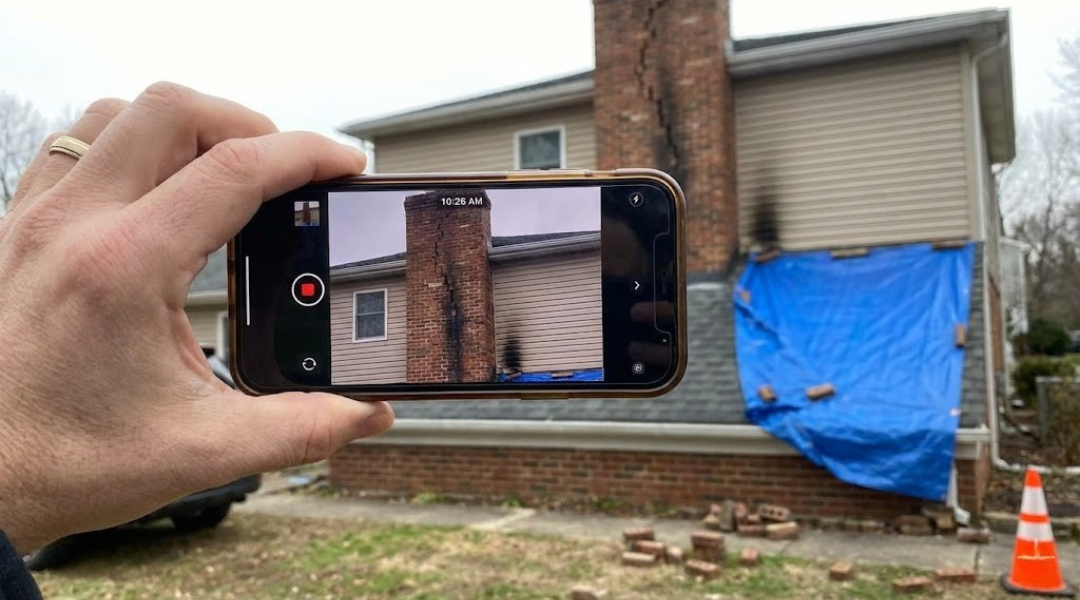
Use steady, smooth movements. Avoid zooming too fast or skipping areas that look less damaged.
If lighting is poor, use a flashlight or record during daylight hours. End with short clips of safety or repair work already started, such as tarps covering open sections.
Store the video on a secure drive or cloud folder labeled by date to ensure it’s available for the claims process.
Keeping a Written Record of the Incident
Maintain a written record that complements your photos and video evidence. Include the date and time of the chimney fire or other damaging event, how it was discovered, and the immediate steps you took afterward.
List the professionals you contacted, such as the chimney sweep, fire department, or insurance adjuster. Record inspection results, repair estimates, and any recommendations for further evaluation.
Use a simple table like the one below to track your information:
| Date | Action Taken | Contact Person | Notes |
|---|---|---|---|
| 2025-11-28 | Inspection scheduled | A. Smith, Chimney Pro | Found cracked liner |
| 2025-11-30 | Claim submitted | J. Lee, Insurance | Awaiting adjuster visit |
Keep copies of receipts, emails, and reports attached to this record. This organized documentation helps your insurer verify losses quickly and can prevent disputes over coverage or repair costs.
Creating an Inventory of Damaged Property
When chimney damage leads to loss or destruction of household items, you need clear records to support your insurance claim. Accurate documentation helps prove the extent of personal property loss and gives the insurer concrete details for valuation and coverage decisions.
Building an Inventory List
Start by listing every item affected near the chimney or exposed to smoke, soot, or falling debris. Include furniture, flooring, decorations, tools, and electronics. For each, write a brief description, brand, model, and estimated age. Use a spreadsheet or table to stay organized.
| Item | Description | Age | Original Cost | Estimated Replacement Cost |
|---|---|---|---|---|
| Living Room Rug | Smoke-damaged wool rug | 4 years | $350 | $450 |
List both visibly damaged and adjacent undamaged items since insurers often assess the spread of damage. Add serial numbers where available and take photos that match the list entries. Keeping the list specific and complete shows the insurer you have documented everything thoroughly and honestly.
Gathering Receipts and Proof of Ownership
Collect any receipts, warranties, bank statements, or credit card records tied to your damaged belongings. These documents verify ownership and purchase price, which help the adjuster establish replacement value. If you lack receipts, check email confirmations or online store histories.
Use labeled folders or digital scans to avoid losing records. Group items by room or category for faster review. For expensive pieces such as appliances or artwork, include appraisals if you have them. Showing consistent records, even partial ones, demonstrates effort and credibility in your claim.
Include newer purchases as well as older items. Even small-dollar items add up, and insurers may reimburse them if properly documented.
Providing Supporting Documents
Attach photos, videos, inspection reports, and repair estimates to strengthen your claim file. Label photos with the date and context, such as “brick debris on fireplace hearth.” When possible, include before-and-after comparisons.
Supporting documents help connect the damage to your chimney incident and show its impact on your belongings. Add any contractor or restoration service assessments, as these confirm the cause and severity of the loss.
Keep copies of all submissions and note when you sent them to the insurer. A complete record—inventory list, receipts, and evidence—helps prevent delays or disputes in processing your claim.
Working with Professionals During the Claims Process
Dealing with chimney damage often requires help from professionals who understand both building structure and insurance procedures. You may need guidance from experts who can assess damage accurately, explain the claim process, and support your case with proper documentation.
Role of Public Adjusters and Restoration Specialists
Public adjusters represent you—not the insurance company. They review your policy, document damage, and negotiate directly with your insurer to help you receive a fair settlement. Hiring a licensed public adjuster can be useful when damage is severe or when you feel uncertain about the claim value.
Restoration specialists handle inspection and repair estimates. They often provide detailed reports and photos showing the extent of damage. These documents support your claim and help confirm whether the chimney is structurally sound or needs full rebuilding.
Before hiring either professional, check licenses, references, and experience with chimney-related claims. Some firms offer combined services, coordinating between insurance communication and structural repair planning.
Tip: Ask for written contracts that explain fees, since public adjusters usually charge a percentage of the payout rather than an upfront cost.
How Insurance Adjusters Assess Chimney Damage
Insurance adjusters work for your insurance company. Their role is to verify the cause, extent, and cost of damages. They determine whether the issue stems from a covered event like fire, wind, or collapse.
When inspecting a chimney, an insurance adjuster looks for evidence such as cracks in the flue, mortar erosion, or fire-related structural damage. They may ask for documents like repair invoices, inspection reports, or photos taken immediately after the incident.
Be prepared to answer questions clearly and provide factual details. Honesty helps avoid claim disputes or delays. Keep a damage log that tracks communication, dates, and findings. This record supports your version of events if issues arise later.
Scheduling and Preparing for Adjuster Visits
Set an inspection date as soon as possible after reporting the claim. Prompt scheduling helps prevent further damage and shows that you acted responsibly.
Before the visit:
- Clean and clear access areas around the chimney.
- Organize documentation including photographs, written estimates, and maintenance history.
- Mark visible damage points with flags or tape for easier identification.
During the visit, stay available but allow the adjuster to work. Answer questions directly and take notes on any measurements or findings.
If you’ve already consulted a restoration specialist or public adjuster, it may help to have them present. Their technical input can ensure accurate assessment and prevent misunderstandings about repair costs or safety concerns.
Obtaining and Submitting Repair Estimates
Accurate, documented repair estimates are essential for supporting your chimney damage insurance claim. They give your insurance provider a clear picture of the repair costs and help confirm that the work needed is reasonable for the type and extent of damage. Getting multiple estimates also helps you make informed decisions about contractors and materials before submitting any claim documents.
Requesting Detailed Repair Estimates
Start by contacting licensed chimney repair contractors who have experience with insurance claims. Ask for written estimates that include a cost breakdown of parts, labor, materials, and any cleanup services. Include photos and inspection findings with your request to help the contractor understand the full scope of the damage.
Request at least two or three estimates so you can compare details such as pricing, timelines, and materials. Make sure each estimate includes the contractor’s business information, license number, and contact details. These details make the estimate credible and easier for your insurance provider to verify.
If the damage involves structural or fire-related issues, ask for documentation that cites relevant building codes or safety standards. This information can help prove that necessary repairs meet code requirements and justify the cost of the work.
Comparing Estimates to Your Insurance Coverage
Review your homeowner’s insurance policy to identify coverage limits, exclusions, and deductible amounts. Compare these details with your estimates to determine what portion of the repair cost may be covered.
Use a simple checklist to stay organized:
| Evaluation Step | Action |
|---|---|
| Coverage Type | Check if chimney damage is covered under fire, storm, or accidental loss |
| Cost Comparison | Look for large cost differences between contractors |
| Documentation Match | Confirm that estimates align with the damage photos and inspection notes |
Look for discrepancies or excessive charges. If one estimate is much higher or lower than others, ask the contractor for clarification. Your insurance company will likely perform the same review, so verifying the consistency of your documentation can reduce claim delays.
Submitting Documentation to the Insurance Provider
Once your estimates are complete, compile them with your photos, inspection reports, and receipts into one organized submission. Include copies of all estimates rather than originals. Label each file clearly with dates and contractor names.
Most insurance providers accept documents through an online portal or email. Follow their submission directions carefully to avoid delays. Use a brief cover note listing each item you’ve included, such as:
- 3 repair estimates
- Initial inspection report
- Photos of chimney damage
Keep copies of everything you send. After submission, follow up with your insurance provider to confirm receipt and ask when you can expect the next update. Organized documentation and clear communication help ensure your claim moves forward efficiently.