Heavy rain can cause serious problems for your chimney, but the real damage often happens when homeowners make common maintenance mistakes after the storm passes. Water leaks, structural damage, and costly repairs can sneak up on you if you don’t know what to watch for or how to respond properly.
The most critical mistake is delaying your inspection and repairs after heavy rain, which allows small issues like cracks in the crown or damaged flashing to turn into major structural problems. Many people assume their chimney is fine because they don’t see water inside their home right away. However, moisture can work its way into hidden areas and cause damage for weeks or months before you notice it.
Understanding what goes wrong during heavy rain and which maintenance steps you should never skip will help you protect your chimney and avoid expensive repairs down the road. From inspection schedules to specific repairs that matter most, knowing these common mistakes will save you time, money, and stress.
Why Chimneys Leak After Heavy Rain
Heavy rain exposes weak points in your chimney system that might go unnoticed during dry weather. Water can enter through damaged components, worn materials, or missing protective features, leading to interior damage and structural problems.
Common Causes of Water Infiltration
Your chimney has several vulnerable areas where water can enter during storms. The flashing, which is the metal seal between your chimney and roof, is often the main culprit. When flashing warps, cracks, or pulls away from the chimney structure, water flows directly into your home.
A missing or damaged chimney cap leaves your flue completely exposed to rain. Without this cover, water pours straight down into your chimney. The cap’s mesh also prevents debris and animals from blocking your flue.
Cracks in your chimney crown create easy entry points for moisture. This concrete slab sits at the top of masonry chimneys and seals the space between the flue and the outer walls. Direct exposure to weather causes the crown to crack over time.
Damaged chimney bricks and deteriorating mortar joints allow water to seep through the masonry. When mortar crumbles or bricks crack, rainwater absorbs into the chimney walls. A missing chimney cricket at the back of your chimney lets water pool instead of draining away properly.
Impact of Weather on Masonry Chimneys
Masonry chimneys face constant exposure to rain, wind, and temperature changes. Chimney bricks absorb water like a sponge, especially when the protective outer mortar is worn or cracked. This absorbed moisture doesn’t always evaporate quickly, particularly on shaded sides of the chimney.
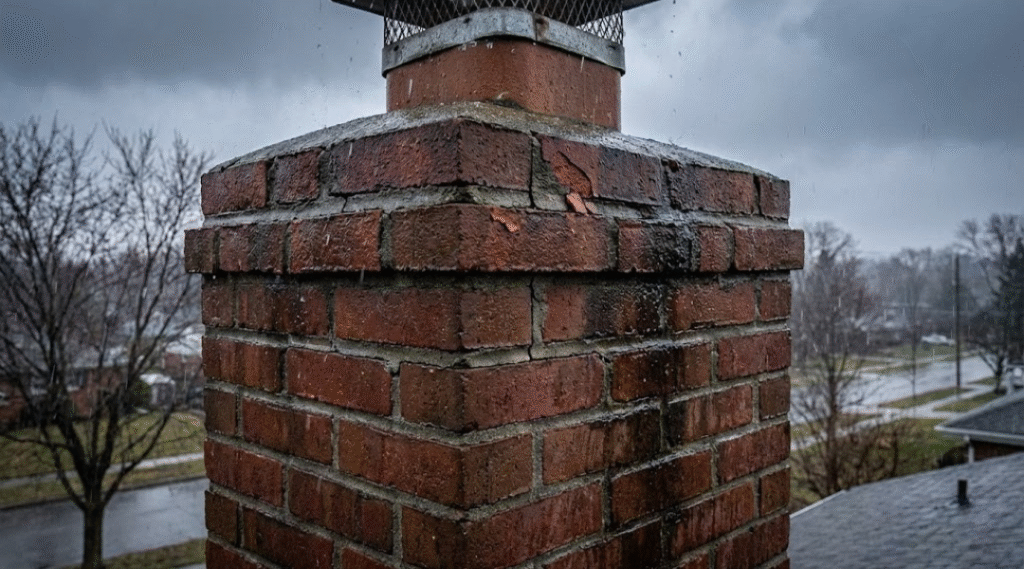
In cold climates, the freeze-thaw cycle damages your chimney structure severely. Water trapped inside the bricks freezes and expands, creating new cracks and making existing ones worse. When the ice melts, it leaves behind wider gaps that allow even more water infiltration.
Heavy rain compounds these problems by saturating the entire chimney. The mortar joints between bricks break down faster when constantly wet. Masonry chimneys without proper waterproofing deteriorate within years instead of decades. Spalling occurs when the brick surface flakes off due to repeated moisture exposure and freezing.
Structural Risks from Persistent Moisture
Water inside your chimney causes damage that extends beyond visible stains. The moisture rusts metal components like the damper and chimney liner. Rust weakens these parts and creates additional leak points.
Your chimney structure loses stability when mortar and bricks stay wet. The materials soften and lose their load-bearing capacity. Walls near the chimney develop mold growth from continuous moisture exposure. Wood framing in your attic and roof deteriorates when exposed to chimney leaks.
Condensation from faulty chimney liners adds moisture even without external rain. The water vapor from combustion escapes through cracks and condenses on cold masonry surfaces. This creates a constant drip inside your chimney that mimics rain damage.
Ceiling plaster bubbles and discolors around the chimney when leaks persist. Structural beams near the chimney can rot if water damage continues unchecked. The longer moisture problems remain unaddressed, the more expensive repairs become.
Neglecting Regular Chimney Inspections
Skipping routine chimney inspections after heavy rain leaves your home vulnerable to hidden water damage and structural problems that worsen over time. Professional assessments catch these issues early before they turn into expensive repairs.
Missing Early Signs of Water Damage
Water damage from heavy rain often starts small and stays hidden inside your chimney structure. You might not see the problems until they become serious. Moisture can seep through tiny cracks in the chimney crown or damaged mortar joints, creating a path for water to enter.
Early water damage shows up as white staining on the chimney exterior, called efflorescence. This happens when water pulls salts out of the masonry. Inside your home, you might notice dampness around the fireplace or a musty smell.
Without regular chimney inspections, water sits in the masonry and causes the materials to break down. The freeze-thaw cycle makes this worse. Water freezes, expands, and creates larger cracks. A chimney professional can spot these early warning signs during a routine check before the damage spreads.
Overlooking Minor Deterioration
Small cracks and loose mortar seem harmless but they get worse fast after heavy rain. Water enters through these weak spots and accelerates the deterioration. What starts as a hairline crack can become a major structural problem within months.
Deteriorating mortar joints allow water to reach the bricks and inner chimney liner. The bricks absorb moisture and start to crumble from the inside out. Your chimney cap might have small rust spots or loose sections that let rain pour directly down the flue.
Regular chimney maintenance catches these minor issues when repairs are still simple and affordable. Fixing deteriorating mortar costs much less than rebuilding sections of your chimney. Waiting too long means you’ll face extensive repairs or even a full chimney rebuild.
Failing to Schedule Professional Assessments
Your own visual checks can’t replace a thorough professional assessment. Chimney professionals have the training and tools to inspect areas you can’t reach or see. They climb onto the roof to examine the chimney crown, flashing, and cap up close.
A professional assessment includes checking the interior flue liner for cracks or gaps. They use specialized cameras to inspect areas deep inside the chimney. They also measure creosote buildup and check for blockages that could trap moisture.
Most experts recommend scheduling chimney inspections at least once per year. You should schedule an additional inspection after severe weather events like heavy rain or storms. This proactive approach identifies problems while they’re still manageable and keeps your chimney functioning safely.
Ignoring Damaged or Missing Chimney Cap
A damaged chimney cap or missing one entirely allows water, debris, and animals direct access to your chimney system. After heavy rain, these issues become worse and can cause serious damage to your home if left unaddressed.
Consequences of a Damaged Chimney Cap
Water damage ranks as the most serious problem when your chimney cap is damaged or missing. Rain enters directly into your chimney flue and causes the interior masonry to break down. This moisture leads to rust on metal components like the damper and creates an environment where mold grows.
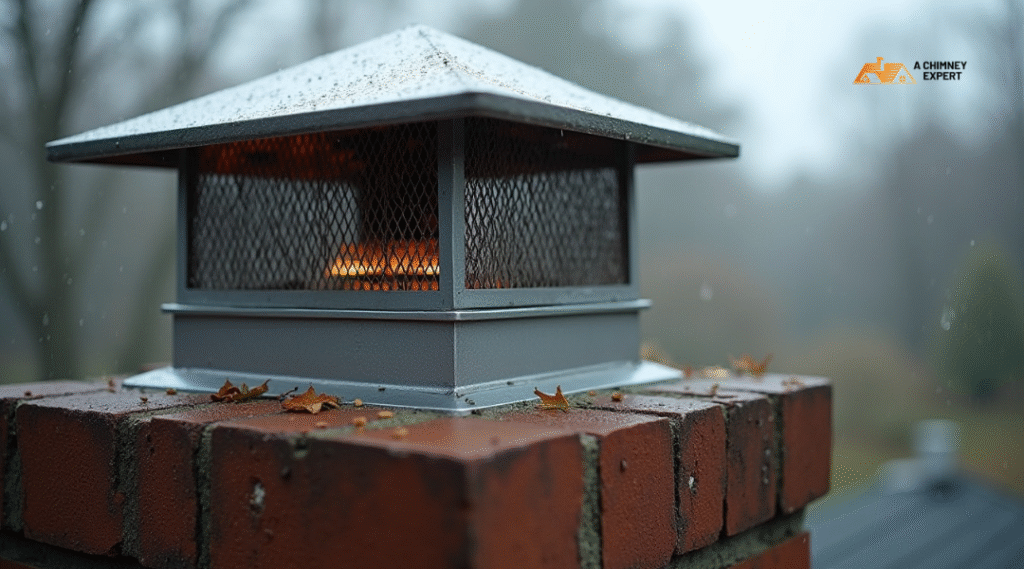
Your chimney’s structural integrity weakens over time as water freezes and expands inside cracks during cold weather. The damage spreads quickly and often requires expensive repairs to fix the flue liner, smoke chamber, and firebox.
Animals like birds, squirrels, and raccoons see an uncapped chimney as an ideal nesting spot. These creatures bring in twigs, leaves, and other materials that block proper ventilation. A blocked chimney prevents smoke and dangerous carbon monoxide from escaping your home.
Debris accumulation creates another serious hazard. Leaves, branches, and other material pile up inside the flue and increase the risk of chimney fires. This buildup also reduces your fireplace’s efficiency and causes smoke to back up into your living space.
Signs Your Chimney Cap Needs Replacement
Water stains on your ceiling or walls near the fireplace indicate rain is getting past a damaged cap. These stains often appear as brown or yellow marks and signal active water intrusion.
You might notice pieces of the cap itself in your fireplace or on the roof. Rust, dents, or visible cracks mean the cap can no longer prevent chimney leaks effectively.
Strange sounds coming from your chimney suggest animals have moved in through gaps in a damaged cap. Scratching, chirping, or rustling noises are clear warning signs.
A strong musty odor from your fireplace points to moisture problems caused by a failing chimney cap. This smell comes from water-damaged masonry and potential mold growth inside the flue.
Visible rust or corrosion on the metal cap shows it has reached the end of its useful life. Metal caps exposed to constant moisture deteriorate and lose their ability to protect your chimney system.
Overlooking Chimney Crown Cracks
After heavy rain, many homeowners miss the warning signs of a cracked chimney crown. These cracks let water into your chimney system, where it can cause serious damage to the structure and your home’s interior.
How Cracks Cause Leaks
A chimney crown sits at the top of your chimney like a concrete cap. It extends past the chimney’s edges to push water away from the bricks and flue opening. When cracks form in this protective barrier, water finds its way into places it shouldn’t go.
Even hairline cracks create problems. Water seeps through these small openings and travels down into your chimney’s masonry. You might notice damp spots around your firebox after a storm. Water stains can appear on nearby ceilings and walls.
The leaks get worse during winter. Water trapped in cracks freezes and expands. This makes the cracks wider with each freeze-thaw cycle. What starts as a pencil-thin crack can turn into a gap big enough to see daylight through.
Deterioration of Chimney Crowns Over Time
Your chimney crown faces harsh conditions year-round. Sun, rain, snow, and temperature swings all take their toll on the concrete. A well-built crown with proper slope and quality materials can last 15-20 years. But older crowns or those made with poor materials break down faster.
Look for these signs of deterioration:
- Spiderweb patterns of cracks spreading across the surface
- Small concrete pieces collecting at the chimney base
- White chalky residue (efflorescence) on nearby bricks
- Crumbling mortar joints near the crown
Regular inspections catch these issues early. Schedule a professional checkup at least once a year, especially after seasons with heavy rain. Annual maintenance costs far less than repairing water damage to your chimney’s interior structure or replacing damaged bricks and mortar.
Failing to Repair Chimney Flashing
Chimney flashing serves as your roof’s primary defense against water entering where your chimney meets the roofline. When damaged flashing goes unrepaired after heavy rain, you’re inviting serious water damage that can affect both your roof structure and your home’s interior.
Effects of Damaged Flashing on Leaks
Damaged flashing creates direct pathways for water to enter your home. The metal barrier between your chimney and roof typically consists of two layers: step flashing that weaves between shingles and counter flashing embedded in your chimney’s mortar joints.
When either component fails, rainwater flows straight into your roof deck and attic space. You’ll notice water stains on ceilings near your chimney within days or weeks of heavy rainfall. The moisture doesn’t stop at cosmetic damage.
Water infiltration from faulty flashing leads to:
- Rotted roof decking that requires expensive replacement
- Mold growth in your attic and wall cavities
- Damaged insulation that loses its effectiveness
- Weakened chimney structure from water in mortar joints
The longer you wait to repair chimney flashing, the more extensive the damage becomes. A $300-500 flashing repair can quickly turn into thousands in structural repairs.
Detecting Flashing Problems After Rain
Inspect your chimney area within 24-48 hours after heavy rainfall to catch flashing problems early. Look for rust stains running down your chimney’s exterior, which indicate corroded metal flashing.
Check your attic with a flashlight during or right after rain. Active leaks appear as water dripping or wet spots on the roof deck around your chimney base. Fresh water stains look darker than surrounding wood.
From inside your home, examine ceilings and walls adjacent to your chimney. Brown or yellow staining means water has been penetrating for some time. Peeling paint or bubbling drywall also signals moisture problems from damaged flashing.
Outside, look for loose or missing flashing pieces at the roof-chimney junction. Gaps between the flashing and chimney indicate failed sealant or separated counter flashing that needs immediate attention.
Neglecting Masonry and Brickwork Maintenance
Heavy rain exposes weaknesses in your chimney’s masonry that require immediate attention. Water that seeps into bricks and mortar joints causes progressive damage that compromises your chimney’s structure and safety.
Water Absorption by Chimney Bricks
Chimney bricks absorb water like a sponge when their protective surfaces wear down after heavy rain. This absorption happens more easily in older masonry chimneys where the outer layer of bricks has weathered over time.
When water enters the brick, it sits inside the porous material. During cold weather, this trapped water freezes and expands, creating pressure from within. The freeze-thaw cycle repeats throughout winter, causing the brick faces to crack, chip, or completely break away.
Signs your chimney bricks are absorbing too much water:
- White staining or efflorescence on brick surfaces
- Pieces of brick flaking off the chimney exterior
- Soft or crumbling brick texture when touched
- Visible cracks running through individual bricks
Damaged bricks lose their ability to protect the chimney structure. Each damaged brick creates an entry point for more water, which speeds up deterioration of surrounding masonry.
Consequences of Deteriorated Mortar Joints
Mortar joints hold your chimney bricks together and block water from entering the chimney structure. Heavy rain targets these joints, washing away the cement mixture that binds the bricks. Once deterioration starts, it accelerates quickly without proper maintenance.
Gaps in mortar joints allow water to run down inside your chimney walls. This water damages the chimney from the inside out, affecting areas you cannot see until major problems develop. The structural integrity of your entire chimney depends on intact mortar.
Deteriorated mortar leads to:
- Loose or shifting bricks in the chimney structure
- Water leaking into your home through the chimney
- Increased risk of chimney collapse
- Fire hazards from heat escaping through gaps
Professional repointing repairs damaged mortar joints by removing old material and replacing it with fresh mortar. This work requires skill to match the original mortar strength and create proper bonding with existing bricks.
Overlooking Chimney Liner Issues
Your chimney liner protects your home by directing heat, gases, and moisture safely out of your chimney. After heavy rain, water exposure can worsen existing liner damage or reveal problems you didn’t know existed.
Cracked or Improperly Fitted Liners
Cracks in your chimney liner allow water to seep into the masonry and walls of your home. These cracks often form from repeated heating and cooling cycles or from age-related wear. Heavy rain makes these problems worse by forcing water through the damaged areas.
You might not see liner damage from the outside. Water stains on your ceiling or walls near the chimney are common signs. A musty smell or visible moisture around your fireplace also indicates liner problems.
Improperly fitted liners create gaps where water can enter. If your liner wasn’t sized correctly during installation, it won’t seal properly against the chimney walls. This leaves space for rainwater to run down and cause damage to your chimney structure.
Role of the Chimney Liner in Leak Prevention
Your chimney liner creates a barrier between combustion byproducts and your chimney walls. This same barrier keeps rainwater from soaking into the bricks and mortar. Without a working liner, water penetrates the masonry and causes deterioration.
The liner also protects against acidic moisture that forms when rain mixes with creosote residue. This combination is particularly damaging to unprotected chimney materials. A damaged liner loses its ability to stop this corrosive mixture from reaching the chimney structure.
Regular inspections catch liner problems before heavy rain causes serious damage. You should check your chimney liner for cracks, gaps, or loose connections at least once per year. Professional chimney inspectors use cameras to examine areas you can’t see from ground level.
Delayed or Inadequate Chimney Maintenance After Rain
Putting off chimney checks after heavy rain lets small problems turn into expensive repairs. Water damage spreads quickly through masonry and can weaken your chimney’s structure before you notice obvious signs.
Why Immediate Post-Rain Checks Matter
You should inspect your chimney within 24 to 48 hours after a heavy rainstorm. Water can start causing damage immediately once it enters your chimney system. Even a small amount of moisture trapped in brick or mortar joints begins the freeze-thaw cycle that creates cracks.
Early detection catches problems while they are still simple to fix. A small crack in your chimney crown costs much less to repair than replacing damaged flue tiles or rebuilding masonry walls. Water stains on your ceiling or walls near the chimney signal that moisture has already penetrated deep into the structure.
Professional chimney sweeping after major storms helps identify hidden damage. A certified sweep can spot deteriorating mortar, damaged flashing, or water pooling in your firebox. They use specialized tools to check areas you cannot see from the ground or inside your home.
Long-Term Impacts of Neglecting Timely Repairs
Delayed chimney maintenance leads to compounding structural problems. Water that sits in masonry dissolves the calcium in mortar joints. This creates larger gaps where more water enters during the next rain. The cycle accelerates deterioration with each storm.
Mold growth starts within 24 to 48 hours in damp conditions. Once mold establishes itself in your chimney structure, it spreads to surrounding walls and attic spaces. This creates health risks and requires costly remediation beyond basic chimney repairs.
Your chimney’s stability decreases as water damage progresses. Saturated masonry loses its load-bearing capacity. Bricks can separate from the structure, and in severe cases, sections of the chimney can collapse. What started as a minor leak requiring a simple sealant application can end up needing a complete chimney rebuild costing thousands of dollars more.