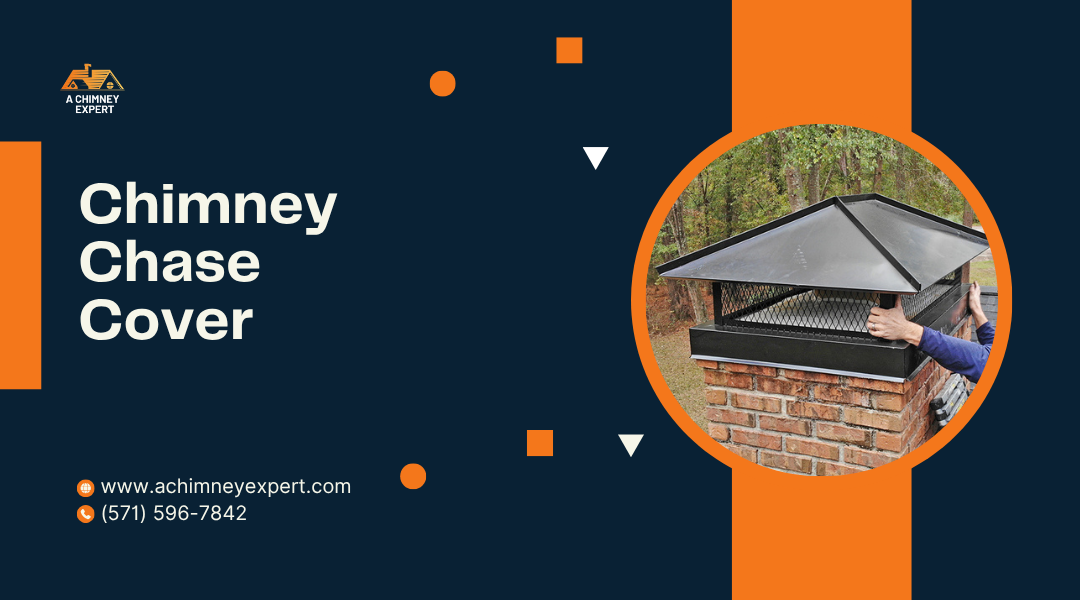
A chimney chase cover serves as a protective metal cap that sits on top of a prefabricated chimney chase, acting as the first line of defense against water damage, animals, and debris. Unlike traditional masonry chimneys that use crowns and caps, prefabricated chimneys rely on these specialized covers to seal the entire top of the chase structure.
Most homeowners with prefabricated chimneys absolutely need a properly functioning chase cover to prevent costly water damage and structural problems. Without this essential component, rain and snow can penetrate the chimney system, leading to rust, deterioration of the chimney liner, and potential damage to the home’s interior walls and ceilings.
Understanding the signs of a failing chase cover and knowing when replacement is necessary can save homeowners thousands of dollars in repairs. The material choice, proper installation, and regular maintenance all play crucial roles in ensuring long-term protection for your chimney system and home.
Understanding Chimney Chase Covers
Chimney chase covers are metal protective barriers that seal the top of prefabricated chimneys to prevent water damage and debris entry. They differ from chimney caps in both design and coverage area.
Definition and Purpose
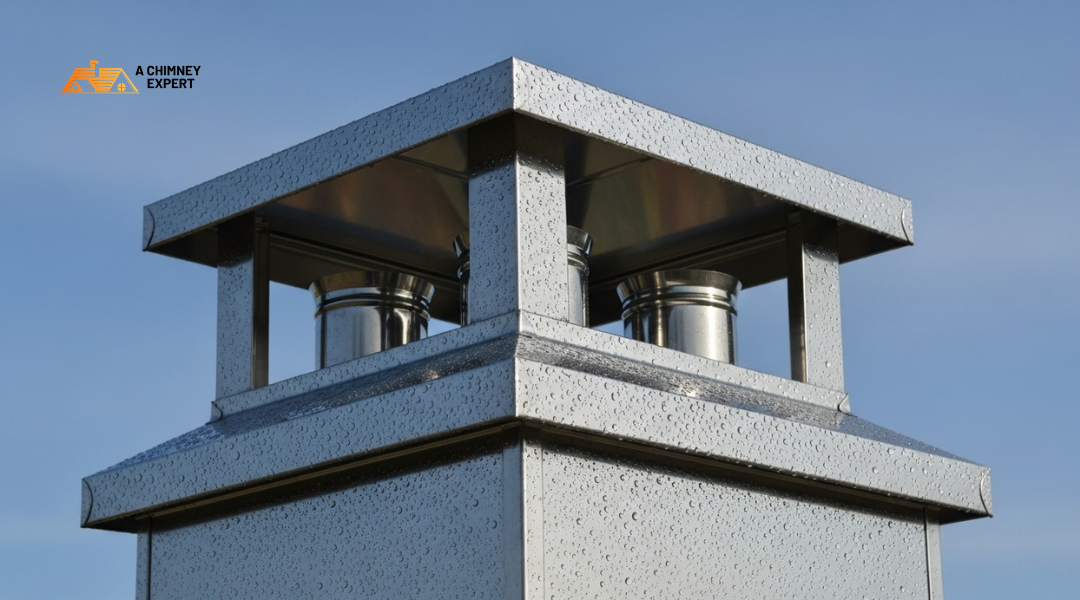
A chimney chase cover is a metal pan-like sheet that fits over the entire top of a chimney chase. The chase itself refers to the enclosure that surrounds prefabricated fireplace systems.
These covers serve as the primary waterproofing barrier for prefabricated chimneys. They prevent rain, snow, and debris from entering the chimney structure through gaps in the chase construction.
Key functions include:
- Water damage prevention
- Debris exclusion
- Structural protection
- Required safety component for prefabricated systems
Chase covers feature one or multiple holes cut into the metal surface. These openings accommodate the flue pipes that extend through the cover.
The metal construction typically uses galvanized steel, stainless steel, or aluminum materials. Proper installation requires the cover to extend beyond the chase walls with appropriate drainage slopes.
Difference Between a Chase Cover and a Chimney Cap
Chase covers and chimney caps serve different protective functions and installation locations. Understanding these distinctions helps homeowners identify their specific chimney protection needs.
Chase covers seal the entire top surface of prefabricated chimney chases. They act as large metal sheets that cover the full width and depth of the chase structure.
Chimney caps attach directly to individual flue openings. They typically feature mesh screening and small roof-like structures that cover only the flue exit points.
| Feature | Chase Cover | Chimney Cap |
|---|---|---|
| Coverage | Entire chase top | Individual flue only |
| Installation | Prefabricated chimneys | Both masonry and prefabricated |
| Primary function | Waterproofing | Spark/debris protection |
Chase covers provide broader structural protection while chimney caps focus on preventing animals and sparks from entering specific flues.
Why Chimney Chase Covers Are Important
Chimney chase covers serve as the primary defense against water infiltration, wildlife intrusion, and structural deterioration. These metal barriers prevent costly damage while maintaining the integrity of prefabricated chimney systems.
Protection Against Water Damage
Water represents the most significant threat to chimney systems without proper protection. Rain, snow, and ice can enter directly through an uncovered chase opening, causing immediate and long-term damage.
Moisture infiltration leads to rust formation on metal components within the chimney structure. The damper, flue liner, and firebox can deteriorate rapidly when exposed to continuous water exposure.
Common water damage issues include:
- Rust on metal flue liners and fireboxes
- Deterioration of chase walls and framing
- Ceiling and wall stains inside the home
- Mold growth in surrounding areas
Chase covers feature angled tops that direct water away from the chimney opening. This design prevents water accumulation around the chase perimeter and channels moisture toward gutters and downspouts.
Without this protection, water damage repair costs can reach thousands of dollars. The structural integrity of the entire chimney system becomes compromised when water penetrates consistently over time.
Preventing Animal and Debris Entry
Wildlife frequently seeks shelter in uncovered chimney chases, especially during colder months. Birds, squirrels, raccoons, and bats can establish nests that block proper ventilation and create fire hazards.
Animal intrusion creates multiple problems beyond simple inconvenience. Nesting materials can obstruct flue gases from exiting properly, leading to dangerous carbon monoxide buildup inside the home.
Common debris and animal issues:
- Bird nests blocking flue passages
- Leaves and twigs accumulating in the chase
- Animal waste creating unsanitary conditions
- Scratching and noise disturbances
Debris accumulation occurs naturally without a protective barrier. Leaves, branches, and other organic materials collect inside the chase and can create blockages or fire risks when dried.
Chase covers eliminate these entry points while maintaining proper ventilation. The solid metal construction prevents access while allowing necessary airflow for safe operation.
Extending Chimney Life and Reducing Repairs
Proper chase cover installation significantly extends the operational lifespan of prefabricated chimney systems. Protection from environmental elements reduces the frequency and cost of necessary repairs.
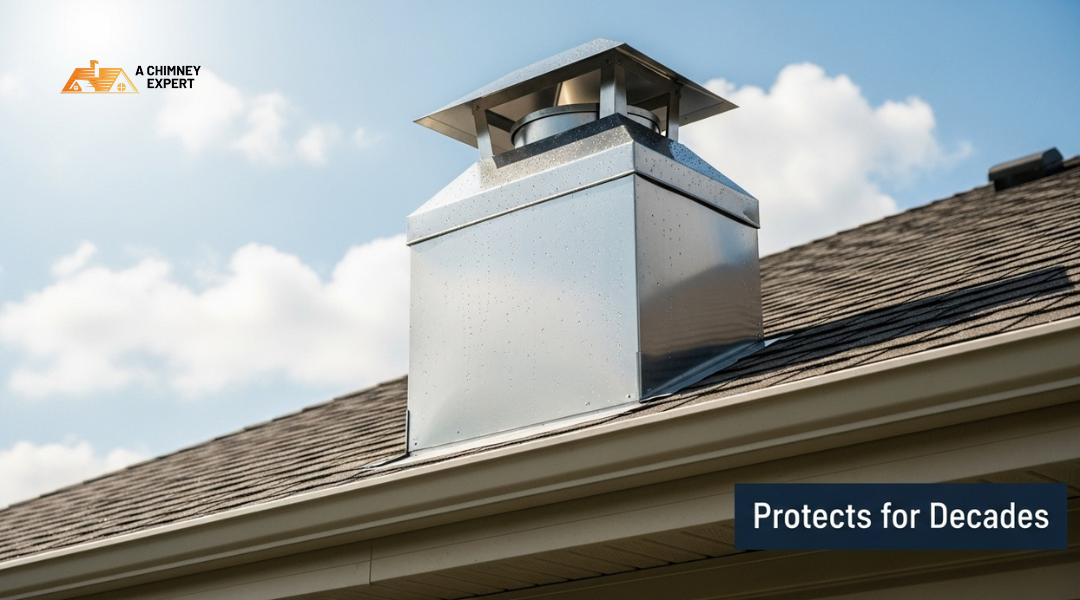
Metal components maintain their structural integrity when shielded from direct weather exposure. Chase walls, flue liners, and connection points avoid premature deterioration that occurs with unprotected systems.
Maintenance benefits include:
- Reduced annual inspection findings
- Lower frequency of component replacements
- Prevention of emergency repair situations
- Maintained manufacturer warranty coverage
Professional installation ensures optimal protection through proper sizing and sealing. Custom-fitted covers provide superior weather resistance compared to generic alternatives that may allow moisture penetration.
Regular chase cover maintenance involves simple annual inspections for damage or displacement. This minimal upkeep prevents major system failures that require extensive reconstruction or replacement.
Common Signs Your Chimney Chase Cover Needs Replacement
Chase covers typically develop visible deterioration that homeowners can spot during routine inspections. The most common indicators include rust formation, water infiltration into the fireplace, and structural deformation of the metal cover itself.
Rust, Corrosion, or Staining
Galvanized steel chase covers are particularly susceptible to rust formation and typically require replacement every five years. The metal begins to deteriorate when exposed to moisture and weather elements over time.
Rust stains often appear on the siding around the chimney area. These reddish-brown streaks indicate that the chase cover has begun to corrode and is allowing water to escape onto surrounding surfaces.
Visible rust spots on the chase cover itself signal immediate attention is needed. Small rust patches can quickly expand and create holes that compromise the cover’s protective function.
Homeowners should inspect their chase covers annually for:
- Rust formations along edges and seams
- Discoloration on nearby siding or brick
- Metal deterioration around mounting points
- Staining patterns below the chimney area
Water Leaks or Moisture in the Firebox
Water appearing on the firebox floor represents one of the clearest signs of chase cover failure. A damaged cover allows rainwater and melting snow to enter the chimney system directly.
Water stains around the fireplace opening indicate ongoing moisture problems. These stains typically appear as dark patches on the firebox walls or surrounding masonry.
Dripping sounds during rainstorms suggest immediate chase cover damage. Water should never enter a properly sealed chimney system under normal weather conditions.
Moisture damage can extend beyond the firebox area. Homeowners may notice dampness in adjacent walls or basement areas below the chimney structure.
Warping or Loose Fit
Sagging or warped sections indicate structural failure of the chase cover material. Metal covers can bend under snow loads or expand and contract with temperature changes over time.
A properly fitted chase cover sits flush against the chimney chase without gaps. Loose mounting allows wind-driven rain to penetrate beneath the cover edges.
Visible gaps between the cover and chase walls compromise the system’s weather protection. Even small openings can admit significant amounts of moisture during storms.
Improperly fitted covers may shift position during high winds. This movement can create new gaps or enlarge existing openings that allow water infiltration.
Material Options for Chimney Chase Covers
Chase covers are manufactured from four primary materials: galvanized steel, stainless steel, aluminum, and copper. Each material offers different durability levels, costs, and performance characteristics in Virginia’s humid subtropical climate.
Galvanized Steel vs Stainless Steel vs Copper
Galvanized steel represents the most budget-friendly option for chase covers. This material features a zinc coating applied to regular steel to prevent rust. The coating provides temporary protection but deteriorates quickly in humid environments.
Stainless steel contains chromium and nickel alloys that create superior corrosion resistance. Grade 316 stainless steel performs best for chimney applications. This material maintains its structural integrity and appearance for decades without requiring replacement.
Copper offers the longest lifespan of all chase cover materials. Pure copper develops a natural patina over time that protects the underlying metal from corrosion. This material can last 50-70 years when properly installed.
Aluminum provides a lightweight alternative with good corrosion resistance. Marine-grade aluminum performs better than standard aluminum in moisture-rich environments.
Pros and Cons of Each Material in Virginia’s Climate
Virginia’s high humidity, temperature fluctuations, and occasional storms create challenging conditions for chase covers.
| Material | Pros | Cons |
|---|---|---|
| Galvanized Steel | Lowest initial cost | Rusts within 5-10 years in Virginia humidity |
| Stainless Steel | 25-30 year lifespan, excellent corrosion resistance | Higher upfront investment |
| Copper | 50+ year lifespan, develops protective patina | Most expensive option, requires specialized installation |
| Aluminum | Lightweight, moderate cost | Can corrode in acidic rain conditions |
Stainless steel performs exceptionally well in Virginia’s climate. The chromium content resists moisture damage from humid summers and freeze-thaw cycles during winter months.
Copper develops its characteristic green patina within 10-15 years in Virginia’s environment. This natural oxidation process protects the metal underneath from further deterioration.
Galvanized steel fails quickly due to Virginia’s high humidity levels. The zinc coating breaks down rapidly, exposing the underlying steel to rust formation.
Professional Installation and Maintenance
Proper installation requires precise measurements and weatherproof sealing to prevent water infiltration. Regular inspections help identify early signs of deterioration before expensive repairs become necessary.
Why Proper Sizing and Sealing Matters
Chase cover installation demands exact measurements to ensure complete protection. A cover that’s too small leaves gaps where water can enter, while an oversized cover may not secure properly against wind uplift.
Professional installers measure the chimney chase opening precisely. They account for expansion joints and proper overhang to direct water away from the structure.
Critical sealing points include:
- Perimeter edges – Sealed with high-grade caulking
- Screw penetrations – Protected with gaskets and sealant
- Corner joints – Soldered or welded for durability
Poor sealing allows moisture to penetrate behind the chase cover. This causes wood rot, metal corrosion, and interior water damage that costs thousands to repair.
Qualified technicians use stainless steel or galvanized materials with appropriate gauge thickness. They install drip edges and proper flashing to channel water effectively away from vulnerable areas.
Routine Inspections to Prevent Costly Damage
Annual inspections identify problems before they escalate into major repairs. Certified chimney professionals examine chase covers for rust, loose fasteners, and seal deterioration.
Inspection checklist includes:
- Checking for rust spots or corrosion
- Testing seal integrity around edges
- Examining fastener tightness
- Verifying proper drainage
Early detection of minor issues prevents water from reaching structural components. A small rust spot costs $50 to repair, while replacing rotted framing can exceed $2,000.
Professional inspectors use specialized tools to detect hidden moisture damage. They assess the chase cover’s condition and recommend maintenance timing to extend its lifespan.
Most chase covers last 15-20 years with proper maintenance. Regular inspections and prompt repairs can maximize this timeframe and protect the homeowner’s investment.
A Chimney Expert LLC’s Approach to Chase Cover Services
A Chimney Expert LLC follows CSIA standards for thorough chase cover evaluations and provides custom-fabricated solutions designed for Virginia’s climate conditions. Their certified technicians handle both inspection processes and professional installation services.
CSIA-Certified Inspections and Recommendations
A Chimney Expert LLC’s certified inspectors examine chase covers according to Chimney Safety Institute of America standards. They assess the current cover’s condition, measuring for proper fit and checking seal integrity.
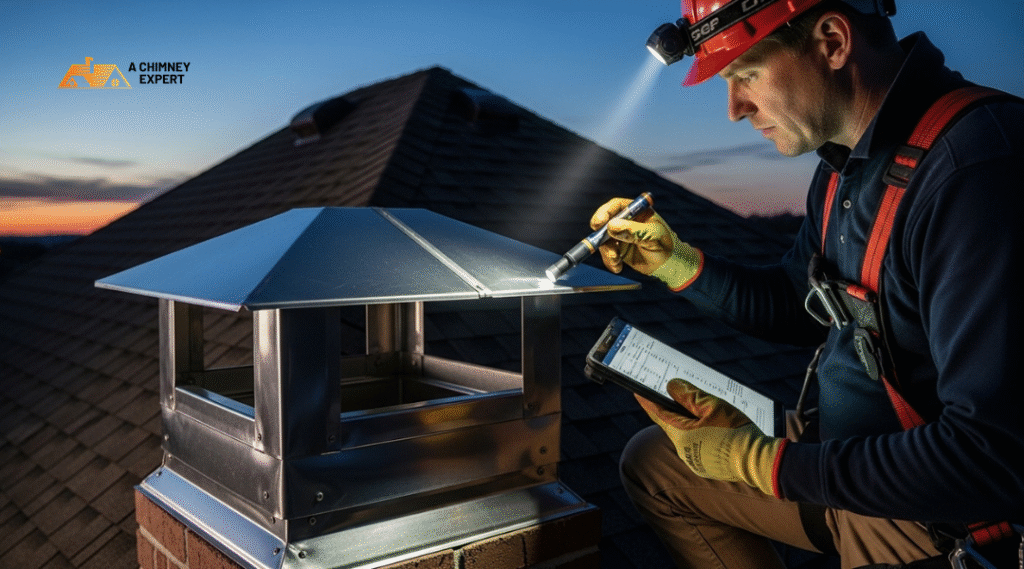
The inspection process includes evaluating water damage indicators around the chase area. Technicians look for rust spots, loose fasteners, and gaps that allow moisture penetration.
Key inspection points include:
- Cover material thickness and corrosion levels
- Drip edge positioning and effectiveness
- Fastener security and placement
- Flashing connections at the roofline
Inspectors document findings with detailed reports. They provide specific recommendations based on the chase cover’s age, material condition, and local weather exposure patterns.
The team explains repair versus replacement options to homeowners. They outline timeline expectations and material choices suitable for Oak Grove’s climate conditions.
Custom-Fit Fabrication and Professional Installation
A Chimney Expert LLC fabricates chase covers using precise measurements taken during inspection visits. They work with stainless steel and aluminum materials selected for durability in Virginia’s weather conditions.
Each cover receives custom sizing to ensure proper overhang and water drainage. The fabrication process includes forming appropriate drip edges and securing attachment points.
Installation process includes:
- Removing existing damaged covers safely
- Cleaning chase crown surfaces thoroughly
- Applying appropriate sealants and flashing
- Securing covers with corrosion-resistant fasteners
Technicians complete installations with attention to proper slope angles for water runoff. They ensure all connections meet manufacturer specifications and local building requirements.
The team conducts final inspections before completing each project. They verify secure attachment and test water drainage patterns around the new chase cover installation.
Do You Really Need a Chimney Chase Cover?
The necessity of a chimney chase cover depends on your chimney type and current protection level. Prefabricated chimneys require chase covers to prevent water damage, structural deterioration, and costly repairs that can far exceed the initial installation investment.
Risks of Operating Without One
Water Damage and Structural Issues
Operating without a chase cover exposes the chimney to direct water infiltration. Rain and snow enter the flue system, causing moisture buildup that leads to rust formation on metal components.
Metal deterioration accelerates without proper protection. The chimney’s structural integrity weakens as water corrodes internal parts and damages surrounding materials.
Debris and Pest Intrusion
Uncovered chimneys become entry points for leaves, branches, and other debris. These materials can block the flue, creating dangerous ventilation problems that affect fireplace operation.
Animals and birds often nest in exposed chimney openings. Their presence creates blockages and introduces additional moisture and organic matter that promotes deterioration.
Fire Safety Concerns
Blocked flues prevent proper ventilation of combustion gases. Carbon monoxide can back up into living spaces, creating serious health hazards for occupants.
Long-Term Cost Savings and Home Protection
Preventing Major Repairs
Chase covers cost significantly less than major chimney rebuilds or structural repairs. Water damage can require extensive metalwork replacement and interior chimney restoration.
Early protection prevents small issues from becoming expensive problems. Regular maintenance with proper covering extends chimney lifespan by decades.
Home Value Protection
Properly protected chimneys maintain their function and appearance longer. This preservation protects the homeowner’s investment in their heating system and overall property value.
Insurance claims related to water damage may be avoided with adequate chimney protection. Many damage scenarios are preventable with basic weatherproofing measures.