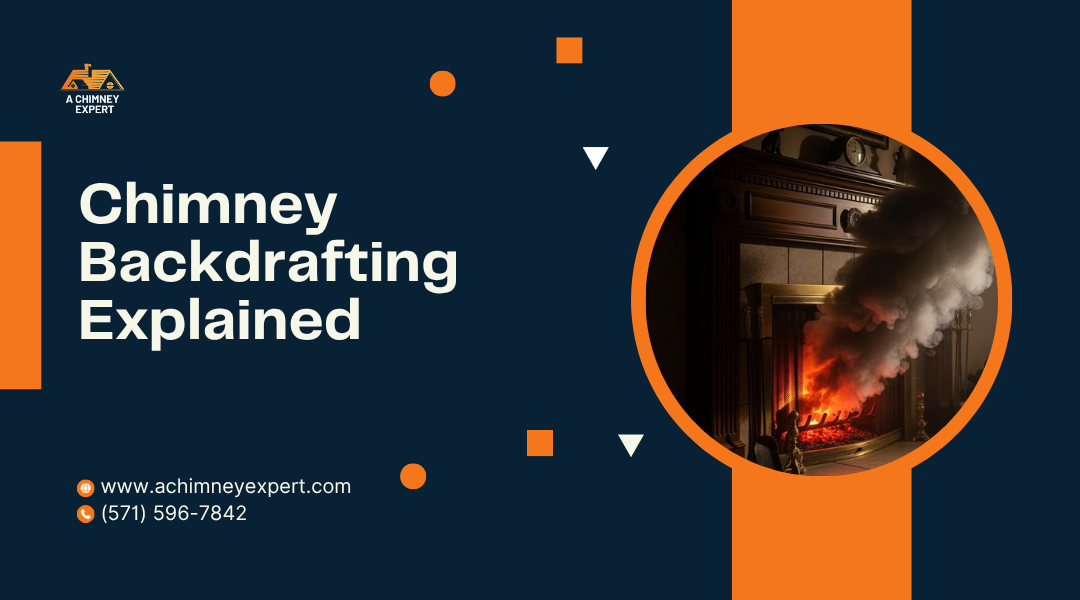
Chimney backdrafting occurs when smoke and gases reverse direction and flow back into your home instead of exiting through the chimney flue. This dangerous condition can fill living spaces with toxic fumes, create unpleasant odors, and pose serious health risks to occupants.
Backdrafting happens when the natural upward draft in your chimney becomes disrupted, often due to blocked flues, improper ventilation, or structural issues within the chimney system. Virginia homeowners frequently encounter this problem during temperature changes, when cold air settles in chimneys or when negative air pressure develops inside the house.
Understanding the causes and warning signs of backdrafting allows homeowners to take preventive action before dangerous conditions develop. Professional chimney services can identify potential problems through regular inspections and provide effective solutions to restore proper airflow and protect your family’s safety.
What Is Chimney Backdrafting?
Chimney backdrafting occurs when smoke and gases reverse direction and enter the home instead of exiting through the chimney. This dangerous condition poses serious health risks by introducing toxic combustion gases into living spaces.
Simple Definition and How It Works
Chimney backdrafting happens when airflow in the chimney reverses direction. Instead of drawing smoke and gases upward and out of the home, the chimney pushes these harmful substances back into living areas.
Under normal conditions, chimneys create an upward draft through temperature differences. Hot gases from the fireplace are lighter than cold outside air, creating natural upward movement called the stack effect.
Several factors can disrupt this natural flow:
- Cold chimney flues that haven’t warmed up sufficiently
- Negative air pressure inside the home
- Blocked or obstructed flues from debris or creosote buildup
- Poor chimney design or improper installation
When these conditions exist, outside air pressure can overpower the weak upward draft. This forces smoke and combustion gases to flow backward into the room where the fireplace operates.
The problem often occurs when homeowners first light their fireplace, especially in cold weather when the chimney hasn’t had time to warm up.
Why It’s a Serious Safety Concern for Homeowners
Backdrafting creates immediate health hazards by introducing toxic gases into indoor air. Carbon monoxide, a colorless and odorless gas, poses the greatest threat and can cause poisoning or death in enclosed spaces.
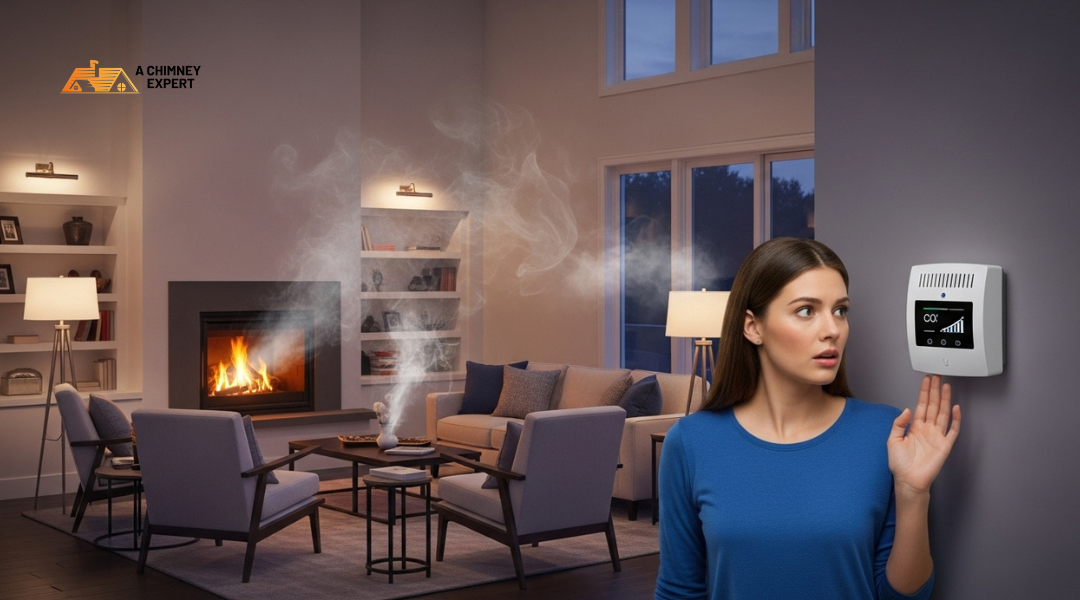
Other dangerous combustion gases include nitrogen dioxide and sulfur compounds. These substances can trigger respiratory problems, headaches, and other health issues, particularly affecting children and elderly residents.
Beyond health risks, backdrafting indicates ventilation system failures that can worsen over time. Homes with persistent backdrafting problems often experience:
- Smoke damage to furniture and walls
- Unpleasant odors throughout living spaces
- Reduced fireplace efficiency and performance
- Potential fire hazards from improper combustion
The problem becomes more dangerous in tightly sealed modern homes where insufficient fresh air intake creates negative pressure conditions that encourage backdrafting.
Common Causes of Chimney Backdrafting in Virginia Homes
Virginia homeowners face specific backdrafting challenges due to the state’s humid climate, seasonal temperature variations, and common construction practices. Physical obstructions, air pressure imbalances, structural deficiencies, and weather patterns create conditions that reverse normal chimney airflow.
Blockages and Creosote Buildup
Physical obstructions represent the most frequent cause of backdrafting in Virginia chimneys. Creosote accumulation occurs rapidly due to the state’s humid conditions and frequent wood burning during cold months.
Bird nests and debris commonly block flues during Virginia’s active wildlife seasons. Squirrels and raccoons frequently build nests in unused chimneys between March and October.
Creosote deposits thicken when homeowners burn unseasoned wood or softwoods like pine. These deposits narrow the flue opening and restrict airflow.
Leaves and branches from Virginia’s abundant oak and maple trees often accumulate in uncapped chimneys. Storm debris can completely block flues after severe weather events.
Key blockage indicators include:
- Smoke entering the room immediately upon lighting
- White staining on exterior chimney walls
- Strong odors during humid weather
- Animals or birds heard in the chimney
Negative Air Pressure Inside the Home
Modern Virginia homes create negative air pressure through exhaust fans, HVAC systems, and improved insulation. This pressure imbalance pulls air down through chimneys instead of allowing natural upward draft.
Kitchen exhaust fans running during fireplace use create competing air currents. Bathroom fans and whole-house ventilation systems compound this effect.
Central air conditioning systems in Virginia homes often create sealed environments. When multiple exhaust devices operate simultaneously, they overwhelm the home’s ability to replace expelled air naturally.
Furnace systems sharing chimney space with fireplaces can create backdrafting when the water heater becomes “orphaned” after furnace replacement. Oversized chimneys cannot maintain proper draft for smaller appliances alone.
Opening a window near the fireplace by one inch often resolves immediate pressure imbalances. Installing makeup air systems provides permanent solutions for homes with multiple exhaust fans.
Poor Chimney Design or Sizing
Chimney height deficiencies cause backdrafting when structures fail to meet minimum elevation requirements. Virginia building codes require chimneys to extend at least three feet above roof penetration points and two feet above nearby roof structures.
Oversized flue liners prevent proper draft velocity in many older Virginia homes. When contractors install liners without proper sizing calculations, the chimney cannot maintain adequate airflow temperatures.
Common design problems include:
- Flue cross-sectional area exceeding 25% of firebox opening area
- Multiple appliances venting into single oversized chimneys
- Inadequate chimney cap or crown design
- Missing or damaged dampers
Clay tile deterioration in older Virginia chimneys creates irregular surfaces that disrupt smooth airflow. Mortar joint failures allow air leakage that reduces draft efficiency.
Chimney termination issues occur when nearby trees or structures grow taller than original construction heights, creating wind turbulence and downdrafts.
Weather and Environmental Factors
Temperature inversions frequently affect Virginia’s varying elevation zones, particularly in mountainous western regions. Cold air masses trap warmer air near ground level, preventing normal chimney draft formation.
High humidity levels during Virginia summers create dense air conditions that resist upward movement through chimneys. Moisture-saturated air requires additional heat energy to establish proper draft.
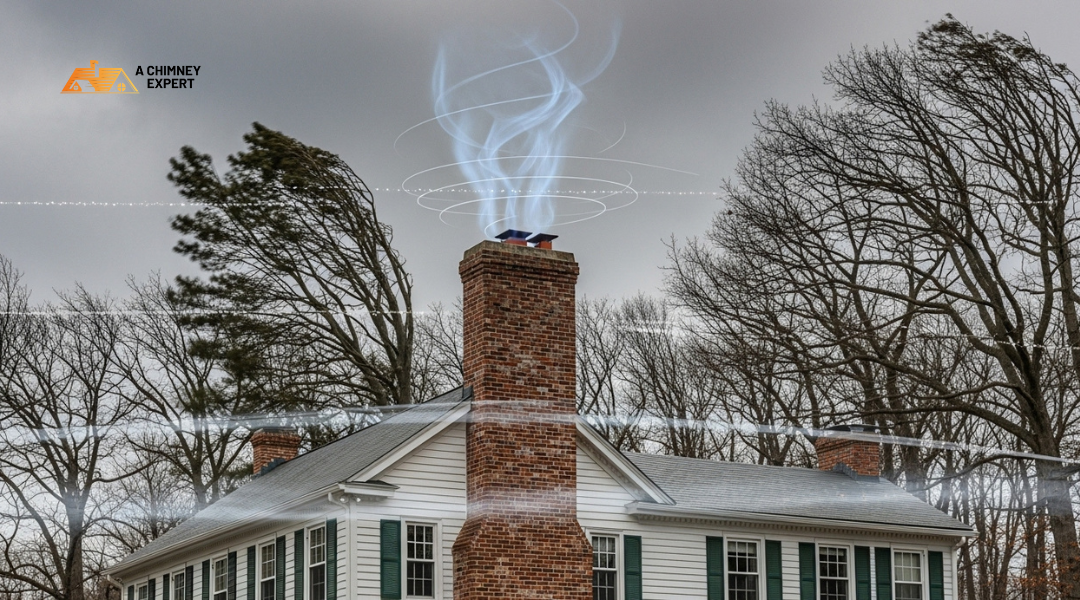
Wind patterns around Virginia homes create downdrafts when prevailing winds strike nearby structures or landscape features. Trees positioned upwind from chimneys deflect air currents downward into flue openings.
Barometric pressure changes preceding storm systems reduce natural draft capacity. Low pressure weather systems common during Virginia’s spring and fall seasons weaken the pressure differential needed for proper chimney function.
Seasonal factors affecting draft include:
- Winter: Extreme temperature differences between indoor and outdoor air
- Spring: Variable wind patterns and pressure systems
- Summer: High humidity and reduced temperature differential
- Fall: Leaf accumulation and changing weather patterns
Warning Signs Your Chimney Is Backdrafting
Backdrafting creates several visible and detectable warning signs that indicate airflow reversal in your chimney system. These signs include smoke entering your home, strange smells from the fireplace area, and dark staining around the fireplace opening.
Smoke Entering Living Spaces
The most obvious sign of chimney backdrafting is smoke entering the room instead of exiting through the chimney. This occurs when the normal upward airflow reverses direction.
Homeowners may notice smoke billowing into the room immediately after lighting a fire. The smoke typically appears around the fireplace opening or damper area.
Common smoke entry patterns include:
- Heavy smoke filling the room within minutes of lighting
- Intermittent puffs of smoke entering during wind gusts
- Continuous light smoke seepage even with established fires
The smoke may clear temporarily when opening windows or doors. This temporary improvement indicates pressure imbalance issues contributing to the backdrafting problem.
Eye irritation often accompanies smoke entry into living spaces. Residents may experience watery eyes, coughing, or throat irritation from exposure to the redirected smoke and gases.
Unusual or Foul Odors from the Fireplace
Strong odors emanating from the fireplace when not in use signal potential backdrafting issues. These smells result from air flowing down the chimney instead of creating proper ventilation.
Common odors include musty, smoky, or acrid smells that persist in the room. The intensity often increases during windy conditions or temperature changes.
Typical backdraft odors:
- Stale smoke smell lingering after fires
- Musty or damp odors from the chimney
- Acrid chemical-like smells from creosote buildup
These odors may intensify when using exhaust fans, dryers, or other appliances that create negative pressure. The smells indicate that outdoor air and chimney gases are entering the home through the fireplace opening.
Seasonal odor changes also occur with backdrafting chimneys. Cold weather often worsens the problem due to temperature differences between indoor and outdoor air.
Staining or Soot Around the Fireplace Opening
Dark stains and soot deposits around the fireplace opening provide visual evidence of backdrafting. These marks appear when smoke repeatedly enters the room instead of exiting properly.
Soot typically accumulates on the fireplace surround, mantel, and nearby walls. The staining pattern often shows where smoke has escaped into the living space.
Visual indicators include:
- Black or gray stains above the fireplace opening
- Soot deposits on the mantel or hearth area
- Discoloration extending onto adjacent walls or ceiling
The staining may appear gradually over multiple fires or develop rapidly during severe backdrafting episodes. Fresh soot deposits indicate recent backdrafting events.
White mineral deposits may also appear alongside soot stains. These efflorescence deposits form when moisture accompanies the backdrafting air and smoke into the home.
Health and Safety Risks of Backdrafting
Backdrafting creates immediate dangers to occupants through toxic gas exposure and increases fire risks throughout the home. The condition also causes lasting damage to interior surfaces and structural components from continuous smoke infiltration.
Carbon Monoxide Exposure
Carbon monoxide represents the most serious threat from chimney backdrafting. This colorless, odorless gas enters living spaces when combustion byproducts reverse direction and flow back into the home.
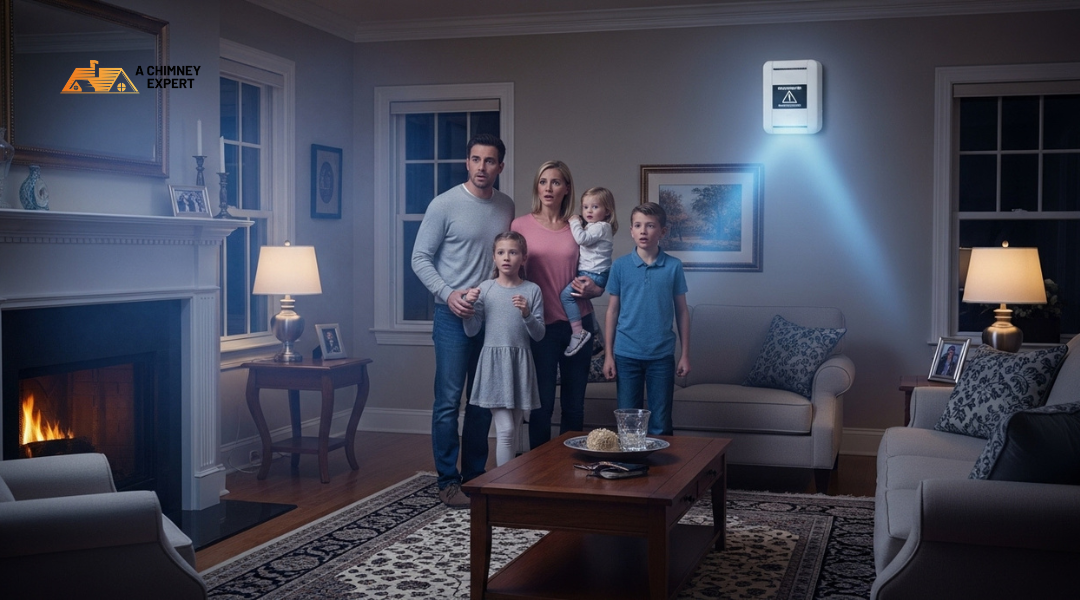
Immediate health effects include headaches, dizziness, and nausea. Prolonged exposure leads to confusion, chest pain, and difficulty breathing.
High concentrations can cause unconsciousness within minutes. Fatal poisoning occurs when carbon monoxide levels exceed 400 parts per million for extended periods.
Vulnerable populations face elevated risks. Children, elderly individuals, and people with heart conditions experience symptoms faster than healthy adults.
Homes with multiple fuel-burning appliances compound the danger. Gas water heaters, furnaces, and fireplaces operating simultaneously increase total carbon monoxide production.
Increased Fire Hazards
Backdrafting elevates fire risks through multiple pathways. Hot embers and sparks travel backward through the flue system into areas not designed for high temperatures.
Creosote accumulation accelerates when proper draft fails to clear combustion residue. This tar-like substance builds up faster in backdrafting conditions and ignites at relatively low temperatures.
Inadequate ventilation causes incomplete fuel combustion. Unburned particles create additional flammable deposits throughout the chimney system.
Interior ignition sources multiply when smoke enters living spaces. Furniture, curtains, and carpeting exposed to hot particles face increased ignition potential.
Temperature fluctuations from reversed airflow stress chimney materials. Repeated heating and cooling cycles create cracks that allow heat transfer to combustible building materials.
Structural and Interior Damage from Smoke
Smoke infiltration causes permanent staining on walls, ceilings, and furnishings. These yellow-brown discolorations penetrate porous surfaces and resist standard cleaning methods.
Acidic compounds in smoke corrode metal fixtures and electronics. Light switches, outlet covers, and appliances deteriorate faster when exposed to combustion byproducts.
Fabric damage occurs rapidly with repeated exposure. Upholstery, drapes, and clothing absorb smoke particles that create lasting odors and weaken fibers.
Ventilation systems spread contamination throughout the home. HVAC ducts distribute smoke particles to rooms far from the original source.
Property values decline when smoke damage becomes extensive. Real estate assessments reflect the cost of remediation and potential health concerns for future occupants.
How to Prevent Chimney Backdrafting
Preventing chimney backdrafting requires a multi-faceted approach that addresses both the chimney system itself and the home’s air pressure dynamics. The most effective prevention strategies focus on maintaining proper airflow, ensuring structural integrity, and implementing regular maintenance practices.
Schedule Regular Chimney Inspections and Cleanings
Annual chimney inspections form the foundation of backdraft prevention. Professional chimney technicians identify blockages, creosote buildup, and structural damage before they cause problems.
The Chimney Safety Institute of America states that creosote accumulation of 1/8 inch or more creates a fire hazard. This buildup also restricts airflow and contributes to backdrafting issues.
Key inspection points include:
- Flue liner condition and sizing
- Crown and cap integrity
- Damper functionality
- Animal nests or debris blockages
Regular cleaning removes obstructions that impede proper draft. Certified technicians use specialized equipment to clear creosote, debris, and bird nests from the flue.
Winter preparations should include verifying that the chimney system draws properly. Cold chimneys often experience poor draft until the flue warms up sufficiently.
Ensure Proper Ventilation in the Home
Negative air pressure in homes causes many backdrafting incidents. Modern homes with tight construction and powerful exhaust fans create pressure imbalances that pull air down chimneys.
Common pressure creators include:
- Kitchen range hoods
- Bathroom exhaust fans
- Clothes dryers
- Central vacuum systems
Homeowners should avoid running multiple exhaust fans simultaneously when operating fireplaces. Opening a window slightly near the fireplace provides makeup air to balance pressure.
Heating and cooling systems also affect air pressure. Sealed combustion appliances reduce competition for available air compared to traditional systems that draw indoor air for combustion.
HVAC professionals can assess home air pressure and recommend solutions. Balanced ventilation systems or dedicated makeup air units resolve chronic negative pressure issues.
Install or Upgrade Chimney Caps and Dampers
Chimney caps prevent downdrafts caused by wind and weather while keeping animals and debris out. Properly sized caps allow adequate airflow while deflecting wind that creates pressure problems.
Cap features that prevent backdrafting:
- Wind-resistant design
- Proper height above flue opening
- Adequate screen mesh size
- Spark arrestor functionality
Dampers control airflow when fireplaces are not in use. Top-sealing dampers provide superior performance compared to traditional throat dampers by creating an airtight seal at the chimney top.
Damaged or warped dampers allow cold air infiltration that creates draft problems. Replacement dampers should fit properly and seal completely when closed.
Glass doors offer additional draft control for open fireplaces. They reduce air exchange between the home and chimney while allowing fireplace operation with controlled combustion air.
Address Chimney Height and Structural Issues
Insufficient chimney height creates poor draft conditions that lead to backdrafting. Chimneys must extend at least 3 feet above roof penetration points and 2 feet higher than any structure within 10 feet.
Surrounding trees or buildings can create wind patterns that force air down chimneys. Professional assessment determines whether height modifications or wind caps will resolve location-specific problems.
Structural issues affecting draft:
- Cracked flue liners
- Deteriorated mortar joints
- Improperly sized flue openings
- Offset or angled flue sections
Flue sizing must match the fireplace opening and fuel type. Oversized flues cool exhaust gases too quickly, while undersized flues restrict airflow and create turbulence.
Masonry repairs address air leaks that disrupt proper draft patterns. Damaged chimney crowns, loose bricks, and failed pointing allow outside air infiltration that interferes with upward airflow.
Professional Solutions from A Chimney Expert LLC
A Chimney Expert LLC provides comprehensive backdraft solutions through certified inspections, advanced relining techniques, and customized ventilation systems. Their Oak Grove team addresses structural deficiencies and draft problems with proven methods.
CSIA-Certified Inspections and Evaluations
A Chimney Expert LLC conducts thorough evaluations using Chimney Safety Institute of America (CSIA) standards. Their certified technicians examine flue dimensions, blockages, and structural integrity to identify backdraft causes.
The inspection process includes measuring chimney height relative to rooflines and nearby structures. Technicians assess interior damper function and check for debris accumulation that restricts airflow.
Advanced diagnostic tools help detect temperature differentials and pressure imbalances. The team evaluates cap and crown conditions that affect draft performance.
Each inspection produces a detailed report outlining specific backdraft contributors. Clients receive prioritized recommendations based on safety concerns and repair urgency.
Chimney Relining and Structural Improvements
A Chimney Expert LLC installs stainless steel liner systems to restore proper draft characteristics. These liners create optimal flue dimensions for efficient smoke evacuation and eliminate oversized flue problems.
Clay tile replacement addresses cracked or deteriorated flue tiles that disrupt airflow. The team rebuilds damaged chimney crowns and repairs masonry defects affecting structural integrity.
Chimney height extensions resolve inadequate draft caused by insufficient elevation. Professional installation ensures proper clearance from roof peaks and obstacles.
Damper repairs or replacements eliminate air leakage that contributes to pressure imbalances. Top-sealing dampers provide superior draft control compared to traditional throat dampers.
Customized Ventilation and Draft Solutions
A Chimney Expert LLC designs chimney cap systems with proper sizing and wind-directional features. These caps prevent downdrafts while maintaining adequate ventilation capacity.
Draft-inducing fans address persistent backdraft issues in challenging installations. The team selects appropriate fan capacities based on flue dimensions and elevation factors.
Wind guards and draft increasers modify airflow patterns around chimney tops. These devices redirect wind currents that create negative pressure conditions.
Custom solutions address unique architectural challenges affecting draft performance. The team evaluates surrounding structures, prevailing wind patterns, and seasonal variations to develop effective remedies.
When to Call a Chimney Professional in Oak Grove, VA
Certain backdrafting situations demand immediate professional intervention, while others require scheduled maintenance visits. Recognizing emergency conditions versus routine service needs helps homeowners protect their families and prevent costly repairs.
Emergency Situations That Require Immediate Help
Smoke entering the living space indicates a serious backdrafting problem requiring immediate attention. This situation can expose residents to dangerous carbon monoxide and other toxic gases.
Strong odors from the fireplace when not in use signal potential blockages or structural issues. These odors often worsen during weather changes and indicate compromised ventilation.
Visible animal or bird intrusion into the chimney creates immediate blockage risks. Wildlife can build nests or become trapped, completely obstructing proper airflow.
White staining on exterior chimney walls suggests water penetration and structural damage. This efflorescence indicates ongoing moisture problems that worsen backdrafting conditions.
Emergency situations include:
- Smoke filling rooms during fireplace use
- Carbon monoxide detector alarms near the fireplace
- Strong gas odors from gas fireplaces
- Visible structural damage to the chimney exterior
Routine Maintenance to Avoid Future Backdrafting
Annual chimney inspections identify potential backdrafting causes before they become serious problems. Professional technicians examine flue conditions, damper operation, and structural integrity.
Regular chimney cleaning removes creosote buildup and debris that restrict airflow. Most chimneys require cleaning after every cord of wood burned or annually for gas fireplaces.
Chimney cap installation and maintenance prevents animal intrusion and water damage. Quality stainless steel caps with proper screening block debris while maintaining ventilation.
Routine maintenance schedule:
- Spring inspections after heating season ends
- Fall cleaning before first use
- Damper lubrication twice yearly
- Crown and flashing checks during roof inspections
Professional maintenance addresses draft issues, structural problems, and ventilation concerns before they create backdrafting situations.