Northern Virginia’s weather patterns put unique stress on your chimney system throughout the year. A year-round maintenance calendar helps you address specific seasonal threats before they turn into expensive repairs or safety hazards. Freeze-thaw cycles in winter, heavy spring rains, humid summers, and fall temperature swings each create different types of wear that demand attention at the right time.
Most homeowners only think about their chimney when they want to use their fireplace. This reactive approach leaves your system vulnerable to water damage, structural deterioration, and dangerous blockages that develop gradually over months. A structured maintenance calendar shifts your approach from emergency repairs to planned prevention, which protects both your home and your wallet.
This guide breaks down what happens to your chimney during each season in Northern Virginia and when to schedule specific maintenance tasks. You’ll learn how to use transitional months for assessments, why summer is ideal for major work, and how to maintain safety during winter when your system works hardest. The calendar approach also includes checking carbon monoxide detectors before heating season to ensure your home stays safe.
Seasonal Patterns That Shape Chimney Wear In Northern Virginia
Northern Virginia’s weather creates distinct patterns of chimney damage throughout the year. Each season brings specific threats to masonry, metal components, and liner systems based on temperature swings, precipitation levels, and humidity changes.
Climate Cycles That Influence Masonry, Metal, And Liners
Winter brings the most aggressive damage to your chimney through freeze-thaw cycles. Water enters small cracks in brick and mortar, then expands when it freezes. This expansion forces cracks to widen, creating deeper pathways for moisture.
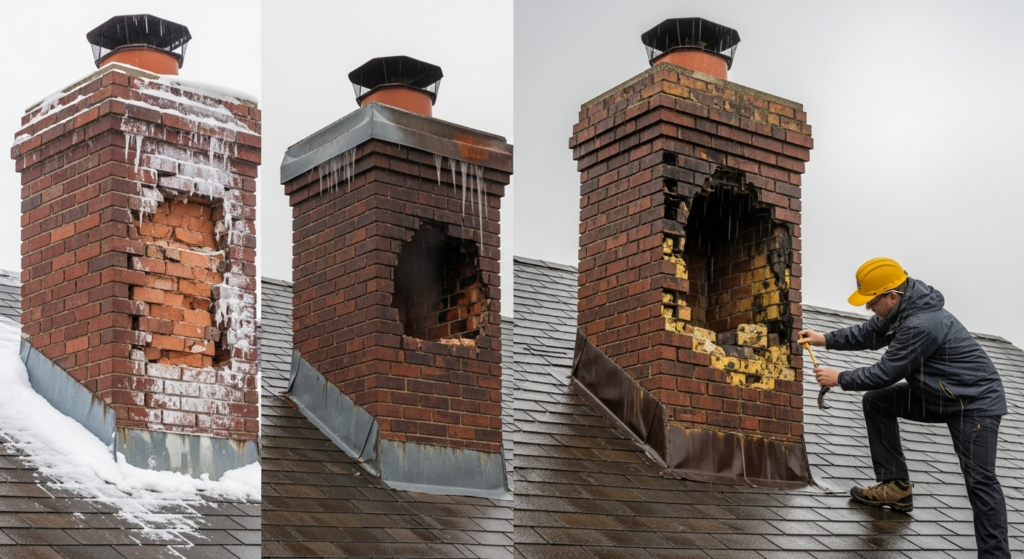
Spring rainfall tests your chimney’s waterproofing. The increased precipitation saturates porous masonry materials and can rust metal components like dampers and flashing. Your chimney crown and flashing joints become vulnerable entry points during heavy spring storms.
Summer’s high humidity levels create ideal conditions for mold growth inside your chimney structure. While the warm weather slows masonry deterioration, moisture still penetrates brick and mortar. Metal components face condensation issues when temperature differences occur between the flue interior and exterior.
Fall weather combines moderate temperatures with occasional heavy rains. This season gives you the best window for inspections before winter arrives. The moderate conditions also allow repairs to cure properly, making fall critical for seasonal chimney maintenance tasks.
When Regional Conditions Accelerate Or Slow Deterioration
Temperature fluctuations between 20°F and 45°F cause the fastest masonry damage. Northern Virginia experiences these ranges frequently from December through March. Your chimney faces multiple freeze-thaw cycles each winter week, compounding damage exponentially.
Extended wet periods during spring accelerate deterioration rates. When your chimney stays damp for several consecutive days, water penetrates deeper into masonry pores. This deep saturation leads to spalling, where brick faces pop off due to internal pressure.
Conditions that speed up damage:
- Rapid temperature swings across the freezing point
- Sustained rainfall lasting more than 48 hours
- High humidity combined with poor ventilation
- Missing or damaged chimney caps
- Compromised flashing or crown cracks
Mild, dry periods slow deterioration significantly. Your chimney materials stabilize when moisture levels stay consistently low. Summer dry spells give masonry time to release trapped moisture through evaporation.
Situations Where Seasonality Has Limited Impact
Structural design flaws cause consistent damage regardless of season. A poorly constructed chimney crown will leak during any rain event, whether in spring or fall. Improper flashing installation creates year-round water intrusion problems.
Missing chimney caps allow weather damage in all seasons. Rain, snow, and debris enter your flue opening continuously without this basic protection. Animals also nest inside unprotected chimneys during any warm month.
Interior moisture sources affect your chimney independently of outdoor weather. Condensation from gas appliances creates acidic moisture that corrodes masonry and metal throughout the year. This deterioration continues even during dry summer months when external moisture is minimal.
Winter Stress And Its Residual Effects
Winter conditions create multiple stress points that compromise chimney integrity and performance. Freezing temperatures combined with moisture create expansion forces within masonry materials, while snow and ice affect how smoke and gases exit your home.
Freeze-Thaw Dynamics And Masonry Fatigue
Water penetration during winter creates serious structural problems through repeated freeze-thaw cycles. When water enters tiny cracks in your chimney’s masonry and then freezes, it expands by about 9%. This expansion pushes the masonry apart from the inside.
Each freeze-thaw cycle makes existing cracks wider and creates new ones. Your chimney can experience dozens of these cycles in a single Northern Virginia winter. The damage compounds rapidly.
Common freeze-thaw damage indicators:
- Crumbling mortar between bricks
- Spalling (flaking or peeling) brick surfaces
- Widening cracks in the chimney crown
- Loose or missing bricks
- Efflorescence (white salt deposits) on exterior surfaces
Efflorescence appears when water moves through masonry and leaves salt deposits behind. While it looks like a cosmetic issue, it signals that water is penetrating your chimney structure.
Snow, Ice, And Flue Performance Interactions
Snow and ice accumulation on your chimney cap or crown restricts proper ventilation. This blockage prevents smoke and dangerous gases from exiting efficiently. Your fireplace may produce more smoke in your living space when the flue cannot draft properly.
Ice dams around the chimney base create moisture problems where your chimney meets the roof. Water backs up under shingles and damaged flashing, causing leaks into your attic. Heavy use during winter increases creosote buildup in the flue. Cold exterior temperatures make this buildup worse because the temperature difference causes more condensation inside your chimney liner.
Restricted airflow from ice or snow also increases carbon monoxide risks. When combustion gases cannot exit properly, they may enter your home instead of venting outside.
Post-Winter Conditions That Signal Latent Damage
Several signs after winter indicate damage that needs immediate attention. Water stains on your ceiling near the chimney point to compromised flashing or crown damage. These leaks often worsen during spring rains if not repaired.
Check your chimney liner after winter. Cracks in the liner allow heat and gases to reach combustible materials in your walls. A damaged liner also makes creosote buildup more dangerous because it creates an uneven surface where deposits accumulate faster.
Look for these post-winter warning signs:
- Rust on the damper or firebox
- Pieces of brick or mortar in the firebox
- Tilting or leaning chimney structure
- Musty odors coming from the fireplace
- White staining on interior or exterior masonry
Any of these conditions require professional inspection before you use your fireplace again.
Transitional Months As Assessment Windows
Spring and fall offer unique conditions for chimney assessment in Northern Virginia. These periods reveal structural changes that extreme temperatures mask and allow for repairs before peak heating season demand.
Spring Moisture Release And Structural Readjustment
Spring reveals winter’s true impact on your chimney as temperatures warm and moisture begins to move through masonry. The freeze-thaw cycle of winter causes expansion and contraction that may not show visible damage until spring warmth allows the structure to release trapped moisture. This is when cracks that started small become obvious and mortar that seemed stable begins to crumble.
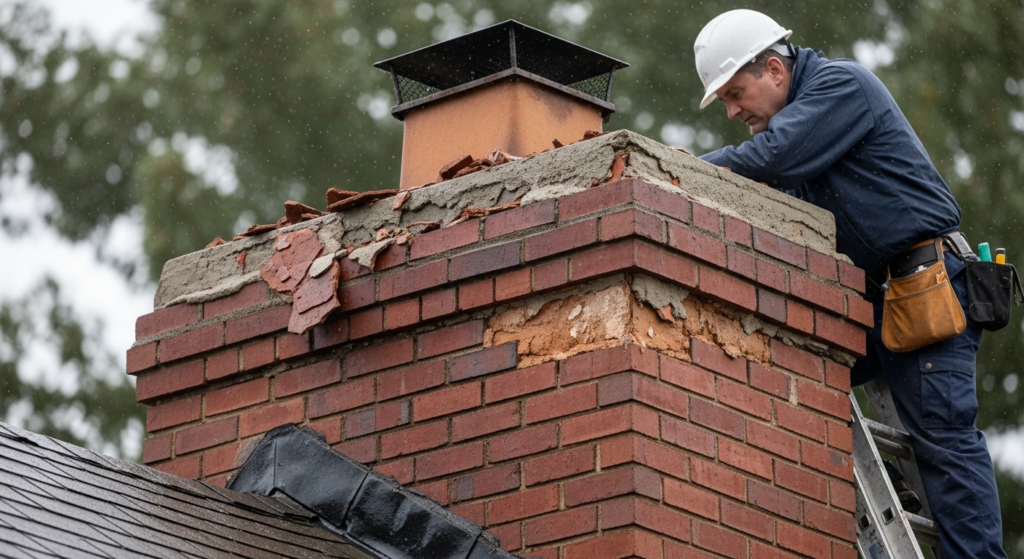
A professional chimney inspection during April or May catches these issues at their most visible stage. Your certified chimney sweep can identify spalling bricks, deteriorated mortar joints, and crown damage that winter weather created. The warming temperatures also make this the ideal time for repairs, as materials cure properly and work can be completed without weather delays.
Spring chimney cleaning removes the creosote buildup from winter burning before summer humidity hardens it further. This makes removal easier and more thorough than waiting until fall.
Fall Preparation Without Overcorrecting For Peak Use
Fall chimney inspections focus on readiness rather than reaction. Schedule your chimney inspection and cleaning between late August and October, before peak heating season begins. This timing ensures your chimney is safe for use while avoiding the rush of homeowners who wait until the first cold snap.
Fall Assessment Priorities:
- Creosote levels from previous season use
- Damper operation and seal integrity
- Cap and crown condition after summer storms
- Flue liner integrity for safe smoke evacuation
Your chimney sweep should verify that last spring’s repairs held up through summer weather. Don’t assume that passing a spring inspection means fall is covered. Summer thunderstorms and heat stress can create new problems that need attention before you light your first fire.
Limits Of Inspection During Mild Weather
Mild weather inspections cannot replicate the stresses your chimney faces during extreme conditions. A professional chimney inspection in April won’t show you how your chimney draft performs at 20 degrees. Fall inspections can’t predict how new repairs will handle months of freeze-thaw cycles.
Certified chimney sweeps work around these limitations by looking for early indicators. They check for signs of past water infiltration, test structural components under current conditions, and identify weak points likely to fail under stress. However, some issues only appear during actual use.
Transitional inspections work best as part of year-round monitoring rather than as standalone events. Your chimney needs assessment when conditions change, not just when the calendar says it’s time.
Summer As A Maintenance And Intervention Phase
Summer provides the driest conditions and warmest temperatures needed for masonry work to cure properly, while your chimney sits idle between heating seasons. This timing allows technicians to address structural problems and wildlife issues that would be impossible to fix safely during active use.
Thermal Expansion, Drying Cycles, And Repair Suitability
Masonry materials expand and contract with temperature changes throughout the year. During summer months, your chimney experiences consistent warmth that keeps materials in their expanded state. This stability gives technicians a reliable baseline for chimney repair work.
Mortar and sealants require specific conditions to cure correctly. Most chimney waterproofing techniques need at least 24 to 48 hours of dry weather to bond properly with masonry surfaces. Summer offers the longest stretches of rain-free days, reducing the risk of failed applications.
The chimney crown faces particular stress from freeze-thaw cycles during winter. Small cracks that seem minor in cold months become easier to identify and access when temperatures rise. Summer repairs to crown damage prevent water from entering these openings before the next freeze arrives.
Masonry repair work demands time for chemical reactions to complete. Portland cement-based mortars need temperatures above 40°F to set properly and reach full strength within 28 days.
Wildlife Intrusion Risks And Containment Logic
Birds and small mammals seek out chimneys as nesting sites during spring and early summer. Squirrels, raccoons, and chimney swifts view the dark, protected space as an ideal location to raise young.
You need to address wildlife presence before fall arrives. A professional inspection can identify active nests or entry points that animals have created. Some birds are protected by federal law during nesting season, which means removal must wait until young have left naturally.
Installing or repairing a chimney cap becomes your primary defense against animal entry. A properly fitted cap includes mesh screening that blocks access while still allowing smoke and gases to exit. Damaged or missing caps should be replaced during summer inspections.
Trim overhanging branches that provide easy access routes to your roof and chimney. Tree limbs within 15 feet of your chimney create highways for squirrels and other climbing animals.
Long-Term Fixes Versus Short-Term Stabilization
Some chimney problems require immediate attention while others benefit from comprehensive solutions that take time to implement. Summer gives you the window to choose between quick patches and permanent repairs.
Chimney waterproofing represents a long-term intervention that protects your entire masonry structure. Professional-grade sealants penetrate the brick and mortar to create a barrier against moisture while still allowing water vapor to escape from within. This process needs multiple days of good weather to apply and cure correctly.
Emergency winter repairs often use temporary materials that won’t last beyond a single season. Tarp coverings or quick-setting sealants can stop immediate leaks but they break down under UV exposure and temperature swings. Summer provides the opportunity to remove these temporary fixes and install proper solutions.
Crown repairs fall into this category as well. A full crown replacement requires removing damaged concrete, building proper forms, and pouring new material that needs weeks to reach full strength. Winter patches with caulk or cement only buy you time until summer arrives for permanent work.
Interpreting The Calendar As A System, Not A Checklist
A maintenance calendar only works when you understand how each task connects to the next. Skipping spring repairs creates bigger problems by fall, and rushing through inspections defeats their purpose.
How Deferred Issues Compound Across Seasons
A small crack in your chimney crown during spring becomes a major structural problem by winter. Water enters through that crack, then freezes and expands during cold months. This freeze-thaw cycle breaks apart more masonry with each temperature swing.
Spring water damage doesn’t pause during summer. Moisture trapped in your brickwork continues breaking down mortar joints even in warm weather. By fall, what started as a hairline crack might require replacing entire sections of masonry instead of a simple sealant application.
Creosote buildup from last winter doesn’t disappear on its own. If you skip your spring cleaning, that layer remains throughout summer. When you light your first fall fire, you’re adding new creosote on top of old deposits. This creates the dangerous 1/8 inch thickness that dramatically increases fire risk much faster than a single season’s use.
Deferred chimney maintenance creates a domino effect. One delayed repair forces you to work around that problem during the next season’s tasks. Your fall inspection takes longer and costs more because the inspector must now assess damage that developed over months of neglect.
Balancing Preventive Work With Observational Restraint
Not every small issue requires immediate professional intervention. A few loose bits of mortar near your chimney base might just need monitoring rather than emergency repointing. Your annual chimney maintenance checklist should include notation space for minor observations that don’t yet warrant repair.
Professional chimney maintenance best practices distinguish between active problems and watch items. Active problems include water intrusion, structural cracks wider than 1/8 inch, or any creosote buildup. Watch items might include slight efflorescence on bricks or minor weathering on your chimney cap that hasn’t yet compromised function.
Taking photos during each seasonal inspection creates a reference timeline. You can compare spring photos to fall photos to see if that small crack actually grew or remained stable. This documentation helps you and your professional make informed decisions about repair timing.
Over-maintenance wastes money as much as under-maintenance. Applying waterproofing sealant every year instead of every 5-10 years doesn’t improve protection. It just adds unnecessary expense to your annual chimney maintenance budget.
When Deviation From The Calendar Is Justified
Severe weather events override your normal schedule. A major storm that damages your chimney cap requires immediate inspection regardless of what season it occurs in. You can’t wait until your scheduled fall inspection if you notice bricks falling from your chimney in July.
Unusual symptoms demand off-schedule attention. If you smell strong creosote odors in summer or see water stains on your ceiling near the chimney, those signs indicate problems that can’t wait for your next scheduled maintenance window.
Changes in how you use your fireplace also justify calendar adjustments. If you suddenly start using your wood-burning fireplace daily instead of occasionally, you need more frequent creosote inspections. Your chimney maintenance checklist should flex based on actual usage patterns.
New chimney installations or major repairs reset your maintenance timeline. Fresh masonry work needs a follow-up inspection within the first year to check how repairs settled. This extra inspection doesn’t replace your regular annual chimney maintenance but supplements it during that first year.