
Historic chimneys are more than just functional structures. They define the look of older homes and connect us to the past. But many of these chimneys were built before modern safety codes existed. That means they can pose real risks even if they still look beautiful from the outside.
You can upgrade your historic chimney to meet current safety standards without destroying the character that makes your home special. The key is understanding which parts of your chimney system need modern improvements and which original features can stay. Not every safety upgrade requires tearing out historic materials or changing how your chimney looks.
The decisions you make will depend on your chimney’s condition, the materials used when it was built, and what you value most. Some homeowners want to keep everything original. Others prefer a safer, better-performing system even if it means some changes. This guide will help you understand your options and make choices that work for your home.
Where Historic Chimneys Fit And Where They Do Not
Not every old chimney requires preservation-level care, and understanding the difference saves time and money. The decision to preserve or replace depends on structural importance, historical significance, and whether the chimney contributes meaningful value to your home’s heritage.
When Original Chimneys Remain Structurally Integral To The Home
Your historic chimney serves as more than a vent when it forms part of your home’s load-bearing structure. Many pre-1900s homes were designed with chimneys that support interior walls, floor joists, or roofing systems. You’ll find this design common in center-chimney Colonial homes where massive masonry cores anchor the entire structure.
Removing these chimneys creates serious engineering challenges. You need to install alternative support systems like steel beams or posts to carry the structural loads. This work often costs more than restoration and disrupts original floor plans.
The brickwork itself may house original iron straps, wooden lintels, or reclaimed wood mantels that cannot be replicated. When your chimney contains hand-forged hardware or timber-framed openings, these elements represent authentic craftsmanship worth preserving. The timeless charm of exposed chimney breasts in rooms adds architectural character that modern construction cannot duplicate.
Situations Where Replacement Alters Historical Meaning
Your chimney warrants preservation when it defines your home’s architectural identity. Victorian homes with ornamental chimney pots, Federal-style houses with symmetrical end chimneys, or Tudor Revival properties with massive decorative stacks all lose significant character when these features disappear.
Key preservation scenarios include:
- Chimneys visible from the street that contribute to neighborhood historic districts
- Interior historic fireplaces with original surrounds, mantels, or tile work
- Rare or unique masonry patterns, corbelling, or brick bonding techniques
- Chimneys documented in historical records or property surveys
You face restrictions when your home sits in a designated historic district. Local preservation boards often require approval before modifying or removing visible chimneys. Even interior historic chimneys may need documentation before changes.
Properties listed on historic registers carry additional requirements. You must demonstrate that preservation isn’t feasible before replacement gets approved. The National Park Service guidelines stress maintaining character-defining features, which typically includes prominent chimneys.
Cases Outside The Scope Of Historic Preservation Concerns
Your chimney doesn’t require special preservation treatment in several common situations. Additions built after the home’s period of significance can use standard repair methods. A chimney added in 1975 to a 1920s bungalow has no historical value requiring special care.
Non-visible chimneys behind modern siding or hidden by previous renovations don’t impact your home’s historic appearance. You can line, repair, or rebuild these using cost-effective modern materials and methods without preservation concerns.
You can proceed with standard repairs when:
- The chimney serves a newer heating system (installed after 1950)
- Previous renovations already altered original materials substantially
- The structure poses immediate safety risks that preservation cannot address
- Local codes don’t classify your property as historically significant
Chimneys in non-historic neighborhoods or homes younger than 50 years typically fall outside preservation guidelines. You should still maintain quality workmanship, but historical mortar matching and period-appropriate techniques aren’t necessary. Your focus shifts entirely to safety, function, and personal preference rather than historical accuracy.
The Structural And Material Logic Of Older Chimney Systems
Historic chimneys operated on different principles than modern systems, using soft lime mortars that breathed with the structure and accepted water penetration as inevitable. These materials and construction methods created specific performance patterns that directly affect how you should approach repairs today.
Masonry Behavior In Pre-Modern Construction
Old chimneys were built to move and breathe. Masons used soft lime-based mortars instead of hard Portland cement because they knew water would get into the structure. The lime mortar let moisture pass through and exit naturally.
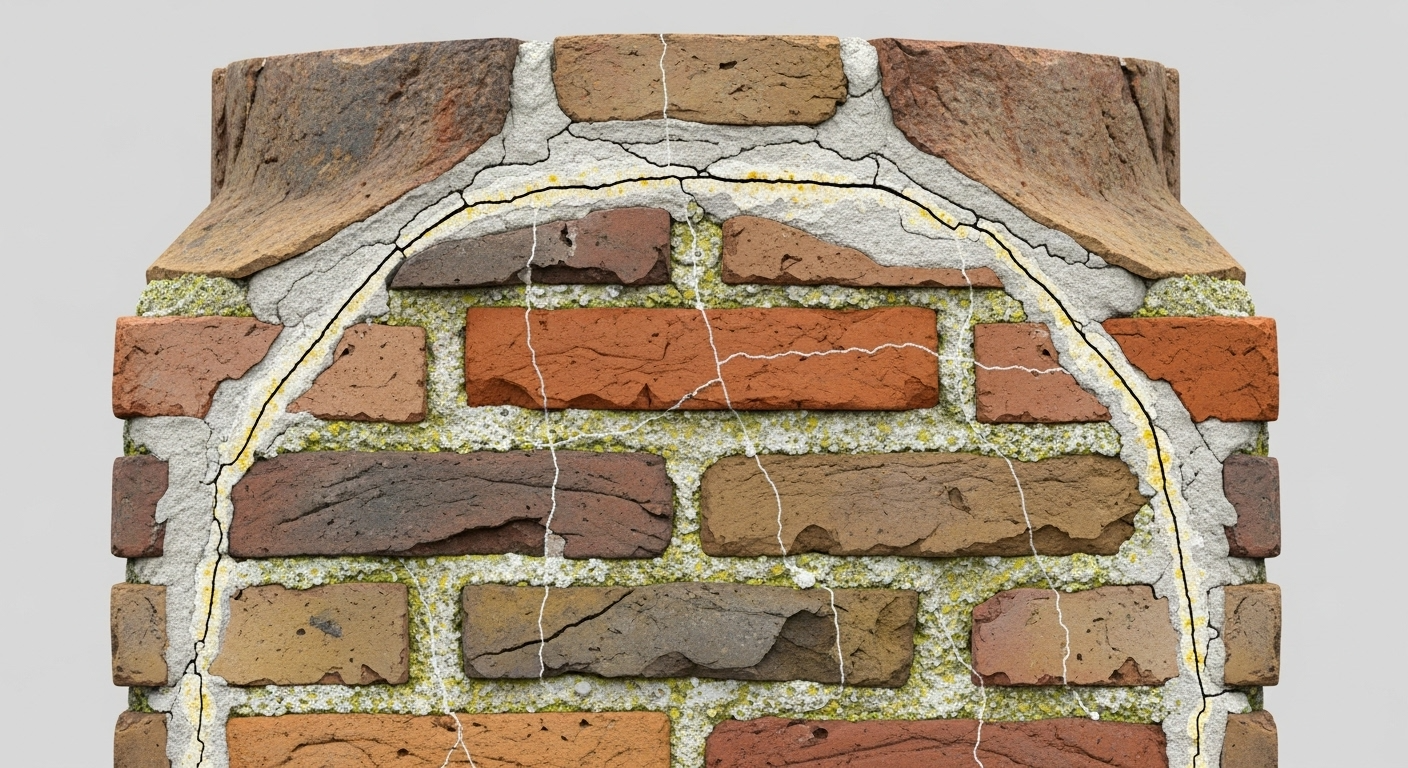
When water moved through lime mortar, it dissolved small amounts of lime and deposited them in hairline cracks as it evaporated. This self-healing property kept the masonry functional for decades. The mortar was deliberately softer than the bricks, so any damage affected the joints rather than the brick faces.
Key material differences in historic construction:
- Handmade bricks with irregular sizes and textures
- Lime mortars that remain flexible through freeze-thaw cycles
- Vapor-permeable joints that wick moisture outward
- No waterproofing barriers or membranes
Historic chimney masonry prioritized flexibility over rigidity. The entire structure could shift slightly without cracking because the soft mortar absorbed movement. Using modern hard mortars in masonry repair destroys this balance and traps moisture inside.
Heat, Moisture, And Draft Dynamics In Historic Flues
Most chimneys built before 1940 had no flue liners. Smoke passed directly against brick surfaces, which absorbed heat and creosote over time. The rough interior surfaces actually helped chimney draft by creating turbulence that pulled gases upward.
Unlined flues were wider and less uniform than modern systems. Temperature changes happened more slowly because the thick masonry mass stored and released heat gradually. The chimney crown, if present, was usually just a sloped mortar cap without the reinforcement required today.
Heat and moisture work together in historic flues differently than lined systems. Water vapor from combustion could pass through mortar joints to the exterior. This prevented condensation buildup inside the flue but also meant the entire chimney structure stayed slightly damp during use.
Without a proper chimney cap, rain entered freely and saturated the masonry from above. The lime mortar handled this wetness through its breathing capacity, but prolonged exposure still caused deterioration over decades.
Common Failure Patterns Unique To Aged Materials
The chimney crown fails first in most historic systems. Without steel reinforcement and proper overhang, the top mortar cracks and lets water penetrate deep into the structure. Freeze-thaw cycles break apart deteriorated lime mortar faster than the original material could self-heal.
Typical failure sequence:
- Crown cracks allow water entry from above
- Interior brick faces spall from trapped moisture
- Mortar joints erode and lose structural integrity
- Brick courses shift or bulge outward
Soft lime mortar eventually turns to powder in exposed locations. You can often remove it by hand without tools. The bricks themselves may remain sound while the joints fail completely around them.
Missing or damaged chimney caps accelerate all other problems. Water flows directly down the flue and saturates mortar from inside and outside simultaneously. This destroys the masonry’s ability to dry properly between weather events.
Mortar matching becomes critical during repairs because using hard modern cement traps moisture behind an impermeable barrier. The water then damages the historic bricks instead of the joints. Proper chimney masonry work requires softer repointing mortar that matches the original permeability.
Safety Standards As Interpretive Constraints, Not Absolutes
Building codes establish minimum safety requirements, but they function as flexible frameworks rather than rigid mandates when applied to historic chimneys. The International Existing Building Code recognizes that older structures have unique characteristics that require professional evaluation rather than blanket compliance with new construction standards.
How Modern Codes Interact With Nonconforming Legacy Structures
Your historic chimney likely doesn’t meet current prescriptive codes for new construction. That doesn’t automatically make it unsafe or require complete replacement.
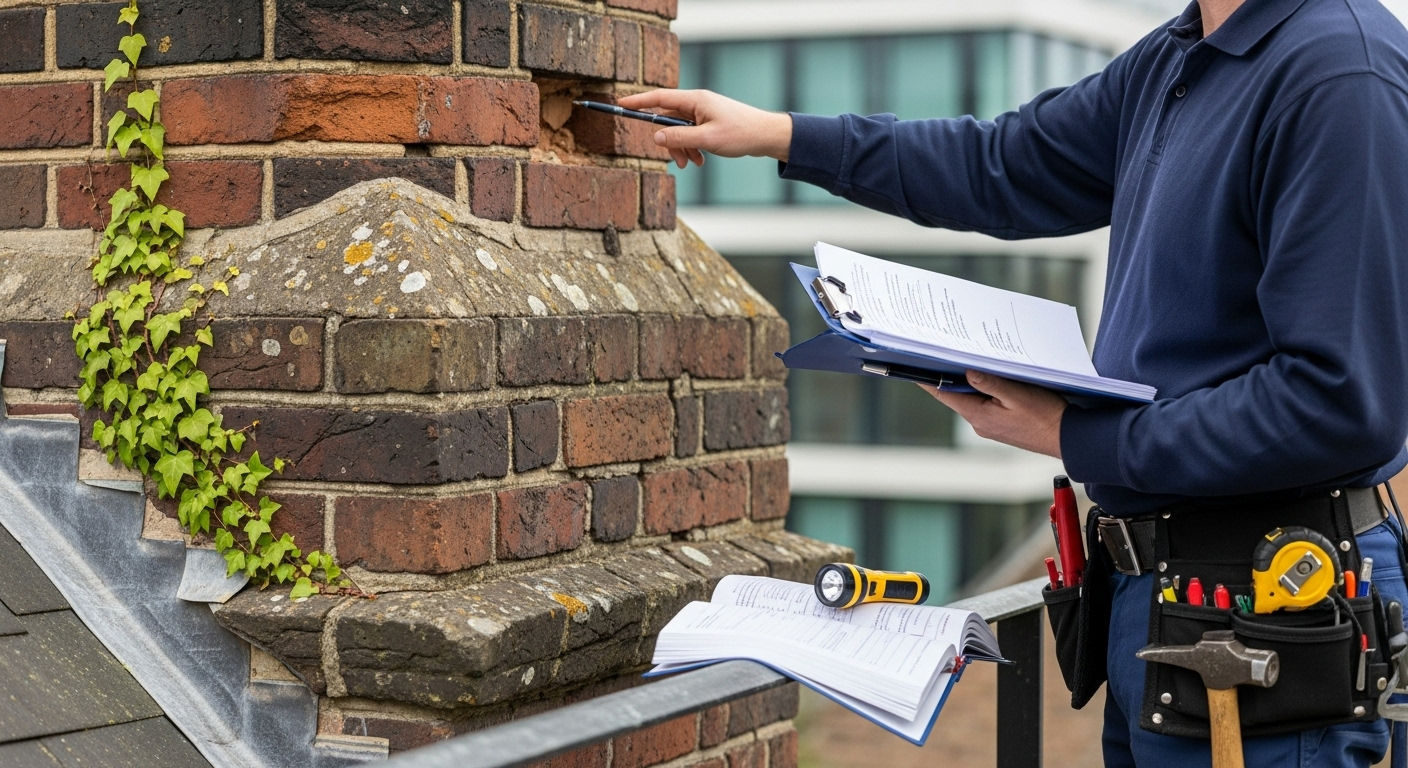
The International Existing Building Code offers multiple compliance paths specifically designed for existing structures. The Performance Compliance Method evaluates your chimney based on its individual characteristics rather than applying one-size-fits-all requirements. This approach allows chimney technicians to assess actual risk levels in your specific situation.
Many jurisdictions have adopted amendments that provide additional flexibility for historic buildings. These provisions recognize that older construction methods often achieved safety through different means than modern techniques. Your local code officials can identify which alternative compliance paths apply to your property.
Key compliance approaches:
- Work area method (limits requirements to modified areas)
- Prescriptive compliance (standard code requirements)
- Performance compliance (demonstrates equivalent safety)
Risk Thresholds Versus Prescriptive Compliance
Prescriptive codes specify exact dimensions, materials, and methods. Risk-based approaches focus on whether your chimney performs safely regardless of how it’s built.
A chimney inspection should evaluate actual hazards rather than simply measuring compliance with modern specifications. Chimney technicians can identify genuine safety concerns like structural deterioration, inadequate clearances to combustibles, or missing flue liners. These real risks differ from technical nonconformities that don’t threaten safety.
You might have a masonry chimney with a liner thickness below current code minimums. If the liner shows no cracking, proper draft, and appropriate clearances, the performance-based approach recognizes this as functionally safe. Conversely, a recently built chimney meeting all prescriptive requirements could have installation defects that create actual hazards.
Professional Judgment In Historically Sensitive Contexts
Qualified chimney services professionals balance safety requirements with preservation goals through informed technical judgment. This requires understanding both modern safety principles and traditional construction methods.
Your chimney technician should document how proposed modifications achieve safety objectives while minimizing alterations to historic fabric. This documentation supports code approval and demonstrates that alternative approaches provide equivalent protection.
Professional organizations and preservation offices can recommend specialists experienced in historic chimney work. These professionals understand that historic buildings require accommodation of both safety regulations and preservation standards. They can propose solutions that satisfy code officials without unnecessary removal of original materials or character-defining features.
Tradeoffs Between Authenticity, Performance, And Intervention
Restoring historic chimneys forces you to make hard choices between keeping original features and meeting modern standards. Each decision affects how the chimney looks, how well it works, and whether future owners can reverse your changes.
Visual Integrity Versus Concealed Reinforcement
You face a constant tension between visible authenticity and hidden structural upgrades when restoring a historic chimney. Stainless steel flue liners meet current fire codes but require modification of original flue dimensions. You can install these liners from the top down, keeping exterior brickwork untouched while adding required safety features inside.
Traditional lime mortar maintains the historic appearance and allows moisture to move through walls naturally. Modern Portland cement mortar is stronger but traps moisture and can damage old bricks. Your mortar choice directly impacts both visual accuracy and long-term preservation.
Corbelled caps and decorative brickwork define many historic chimneys. New safety requirements mandate 2-inch-thick caps with drip edges and hardware cloth reinforcement. You must integrate these elements while preserving original architectural details that give your chimney its character.
Reversibility, Permanence, And Long-Term Consequences
Some restoration choices lock you into permanent alterations that future owners cannot undo. Installing modern cement-based mortar creates an irreversible change because removing it damages historic bricks. Lime mortar allows water to dissolve and redeposit in cracks, making future repointing possible without harming original masonry.
Hard mortar that is less permeable than the brick forces moisture through the brick faces instead of the joints. This causes spalling and permanent damage to irreplaceable historic units. You should choose mortar that is more permeable than the existing material to protect original bricks.
Stainless steel liners and cast-in-place systems both add required fire protection. Cast-in-place liners permanently bond to flue walls while stainless steel pipes remain removable. Your choice affects whether future preservation work can return the chimney to its original configuration.
Incremental Upgrades Versus Comprehensive Alteration
You must decide between small targeted fixes and complete reconstruction when preserving historic chimneys. Incremental repairs address immediate safety concerns while retaining maximum original material. This approach lets you replace only damaged sections and install essential safety features like caps and liners.
Comprehensive rebuilding ensures full code compliance but removes authentic historic fabric. You lose handmade bricks with unique sizes and textures that cannot be replicated. The 90,000+ buildings listed in the National Register of Historic Places often require approval before major alterations.
Phased restoration spreads costs over time and lets you preserve more original elements. You address critical structural issues first, then add safety upgrades, and finally restore decorative features. This method maintains historic integrity while meeting modern performance standards without unnecessary replacement of sound original materials.
Outcomes Of Different Upgrade Pathways
Each upgrade path delivers distinct results in safety, appearance, and upkeep requirements. The methods you choose will determine how your chimney looks, performs, and holds up over the years.
Structural Reinforcement Strategies And Their Visible Impact
Structural repairs range from subtle repointing work to full rebuilds that change what you see from the street. Repointing involves removing damaged mortar between bricks and replacing it with fresh material that matches the original color and texture. This work strengthens the chimney while keeping its historic look intact.
More extensive repairs might include rebuilding the chimney crown or replacing damaged bricks. When done correctly with period-appropriate materials, these fixes blend seamlessly with the original structure. You should expect skilled masons to match brick dimensions, colors, and laying patterns from your home’s era.
Steel reinforcement bars can be added internally to strengthen failing chimneys without changing their exterior appearance. This approach works well when the outer masonry remains sound but needs additional support. Visible metal strapping or buttresses represent more dramatic interventions that prioritize stability over aesthetics.
Common structural outcomes:
- Repointing extends chimney life 20-30 years with minimal visual changes
- Crown rebuilds prevent water damage while maintaining roofline profile
- Full rebuilds preserve exterior dimensions but may show slight material differences
- Internal steel reinforcement leaves exterior completely unchanged
Internal Lining, Venting Changes, And Performance Shifts
A new chimney liner installation transforms safety and efficiency without affecting your chimney’s exterior. Modern stainless steel liners protect masonry from heat and corrosive byproducts while improving draft. These liners fit inside existing flues and meet current code requirements that didn’t exist when your home was built.
A fireplace changeout paired with liner installation produces the most dramatic performance improvements. This combination can increase heating efficiency from 10-15% up to 70-80% for gas inserts or EPA-certified wood stoves. You’ll notice better heat output, easier starts, and less smoke entering your rooms.
Venting modifications may require adding or enlarging dampers to control airflow better. These changes happen entirely within the chimney structure and flue system. Your fireplace installation professional will size the liner to match your new heating appliance specifications.
Performance improvements include:
- Reduced creosote buildup requiring less frequent chimney cleaning
- Better carbon monoxide protection through sealed combustion
- Easier temperature control with modern damper systems
- Lower fuel costs from improved efficiency ratings
Long-Term Maintenance Implications For Preserved Chimneys
Upgraded chimneys require different maintenance schedules than untouched historic systems. A new fireplace installation with modern components typically needs annual inspections but less frequent major repairs. Quality liners last 15-20 years before replacement, while properly repointed masonry can go decades between touch-ups.
Chimney cleaning frequency depends on your fuel type and usage patterns. Wood-burning systems need cleaning after every cord of wood burned or annually at minimum. Gas systems produce fewer deposits but still require yearly inspections to check for liner damage and proper venting.
You should budget for more frequent monitoring during the first years after upgrades. This schedule lets you catch any settling issues or unexpected interactions between old and new materials. Water protection measures like caps and crown seals need checking every 3-5 years.
| Upgrade Type | Initial Cost Impact | Maintenance Frequency | Expected Lifespan |
|---|---|---|---|
| Repointing | Moderate | Every 20-30 years | 25-40 years |
| Liner Installation | Moderate-High | Annual inspection | 15-20 years |
| Full Rebuild | High | Every 5 years | 50+ years |
| Fireplace Changeout | High | Annual service | 20-30 years |