Storms can damage your chimney in ways you can’t always see from the ground. High winds, heavy rain, and freeze-thaw cycles put stress on every part of your chimney system. While some damage shows up right away, other problems hide inside the structure and can get worse over time.
Even if your chimney looks fine after a storm, hidden damage to the flue liner, mortar joints, or chimney pot can create serious safety risks if left unchecked. Water can seep through small cracks you can’t see, weakening the bricks and mortar from the inside. Wind pressure can shift internal components without causing visible damage to the exterior.
This guide walks you through the specific conditions that make chimneys vulnerable, how severe weather creates stress inside the structure, and what signs to look for after a storm. Understanding these hidden problems helps you catch damage early and avoid expensive repairs or dangerous situations down the road.
Conditions That Make Chimneys Vulnerable To Storm Damage
Not all chimneys face the same level of risk during severe weather. Your chimney’s exposure to storm damage depends on its physical characteristics, local weather patterns, and the condition of its materials.
Exposure Patterns Related To Height, Location, And Roof Geometry
Taller chimneys experience greater wind pressure because wind speeds increase with height above ground level. A chimney that extends more than six feet above your roofline faces roughly 30% more wind force than one that sits lower.
Your home’s location affects vulnerability too. Chimneys on hilltops or open fields receive full wind impact without tree cover or neighboring buildings to reduce gusts. Corner chimneys get hit from multiple angles during storms.
Roof geometry changes how wind and water interact with your chimney. Steep roofs shed water quickly but create stronger updrafts that push against the chimney structure. Valley installations collect more water runoff, which increases moisture exposure. Chimneys positioned on the windward side of your roof take direct hits from rain and wind.
The space between your chimney and roofline matters for flashing performance. Narrow gaps make proper chimney maintenance and waterproofing more difficult.
Weather Events That Exceed Normal Design Assumptions
Standard chimney construction accounts for typical local weather patterns. Problems start when storms exceed these baseline expectations.
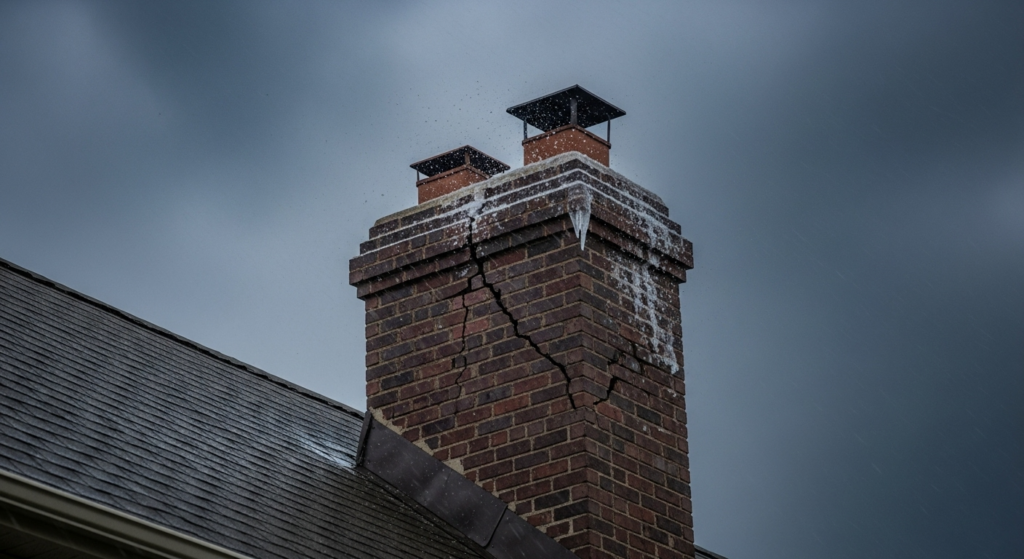
Wind gusts above 60 mph can dislodge chimney caps and loosen mortar joints that would normally stay secure. Ice storms add weight that your chimney crown wasn’t designed to support. Rapid freeze-thaw cycles during unseasonable temperature swings cause brick damage faster than regular winter conditions.
High-Risk Weather Scenarios:
- Sustained winds over 50 mph with rain
- Temperature drops of 40+ degrees within 12 hours
- More than 3 inches of rain in 24 hours
- Hail larger than one inch in diameter
- Multiple freeze-thaw cycles in one week
Older chimneys built before modern building codes face higher risk because they lack reinforcement and proper flashing details. Deferred chimney cleaning and tuckpointing leave mortar joints weak and unable to handle extra stress.
Situations Where Damage Is Unlikely Or Self-Limiting
Your chimney can handle most normal weather without issues. Light rain and moderate winds below 40 mph rarely cause problems when your chimney maintenance is current.
Small temperature changes between 20-50 degrees Fahrenheit won’t crack sound masonry. Brief summer thunderstorms with heavy rain for under 30 minutes typically don’t penetrate properly sealed chimneys. Snow accumulation under 12 inches adds minimal stress to well-built structures.
Metal chimney caps and chase covers resist minor hail and wind better than older designs. Modern flashing materials maintain their seals through normal seasonal expansion and contraction. Recent tuckpointing work keeps mortar joints flexible enough to absorb minor stress without cracking.
Chimneys that receive annual inspections and timely repairs handle weather events much better than neglected ones. Regular chimney cleaning prevents creosote buildup that traps moisture and weakens the flue liner during storms.
Physical Stress Paths Inside A Chimney During Severe Weather
Severe weather creates distinct pathways of physical stress that move through your chimney’s structure, often in ways you cannot see from the ground. Wind forces travel laterally through masonry joints, water follows gravity and capillary action into porous materials, and temperature swings trigger expansion cycles that compound existing weaknesses.
Wind Loading, Vibration, And Lateral Displacement
High winds create horizontal forces that push against your chimney’s exposed surfaces. These forces concentrate at the weakest points—typically mortar joints and the transition where the chimney meets the roofline. Taller chimneys experience more stress because wind pressure increases with height.
Sustained gusts cause your chimney to vibrate at low frequencies. This vibration gradually loosens mortar bonds between bricks, even when no visible cracks appear immediately. The movement is small but repetitive, working like someone slowly wiggling a loose tooth.
Lateral displacement occurs when wind pushes your chimney off its vertical axis. You might notice a slight lean or separation gaps where the chimney connects to your roof. This misalignment redirects structural loads through pathways that were not designed to bear weight, creating stress concentrations that accelerate deterioration in specific zones.
Water Intrusion, Saturation, And Delayed Material Failure
Water enters your chimney through multiple entry points during storms—damaged crowns, failed flashing, missing caps, and porous masonry surfaces. Once inside, it follows vertical channels through mortar joints and saturates brick from the inside out.
Masonry materials absorb water like a sponge. A single storm can introduce enough moisture to keep interior surfaces wet for days or weeks. This prolonged saturation softens mortar bonds and reduces the compressive strength of the entire structure.
Chimney water damage often appears weeks after a storm passes. The delayed failure happens because saturated materials need time to weaken. You might see interior water stains, white mineral deposits on exterior bricks, or crumbling mortar that was solid before the storm.
Freeze-Thaw Amplification After Storms
Water trapped inside your chimney expands by roughly 9% when it freezes. This expansion creates outward pressure inside tiny cracks and pores throughout the masonry. When temperatures rise, the ice melts and the material contracts, leaving slightly larger voids than before.
Each freeze-thaw cycle makes existing damage worse. A hairline crack becomes a gap. A small gap becomes a spalled brick. This process accelerates after storms because saturated masonry contains more water available for freezing.
The damage compounds fastest in areas with poor drainage or trapped moisture. Your chimney crown, horizontal surfaces, and north-facing walls experience the most severe freeze-thaw stress because they stay wet longest and receive less direct sunlight for drying.
Damage That Escapes Surface-Level Inspection
Storm damage often hides inside your chimney where you can’t see it from the ground. Internal components like the flue liner, mortar joints deep within the stack, and sealed connections at the roof level can fail without showing obvious external signs.
Internal Flue Cracking And Liner Displacement
Your chimney liner protects the masonry from extreme heat and corrosive gases. Strong winds and thermal shock from sudden temperature changes during storms can crack clay tiles or displace metal liners. These cracks allow heat and moisture to reach the surrounding masonry, which creates long-term structural damage.
You won’t see flue cracks without a proper chimney inspection using specialized cameras or mirrors. Water that entered during the storm can freeze inside existing small cracks and expand them. This makes the damage worse over time.
A damaged chimney flue also creates serious safety risks. Gases like carbon monoxide can leak into your home through gaps in the liner. Creosote buildup near cracks increases fire risk because the compromised liner can’t contain high temperatures properly.
Mortar Washout And Bond Failure Within The Stack
Heavy rain during storms washes out mortar joints buried deep inside your chimney masonry. The outer bricks might look fine while internal bonds deteriorate. This process weakens the entire structure from the inside out.
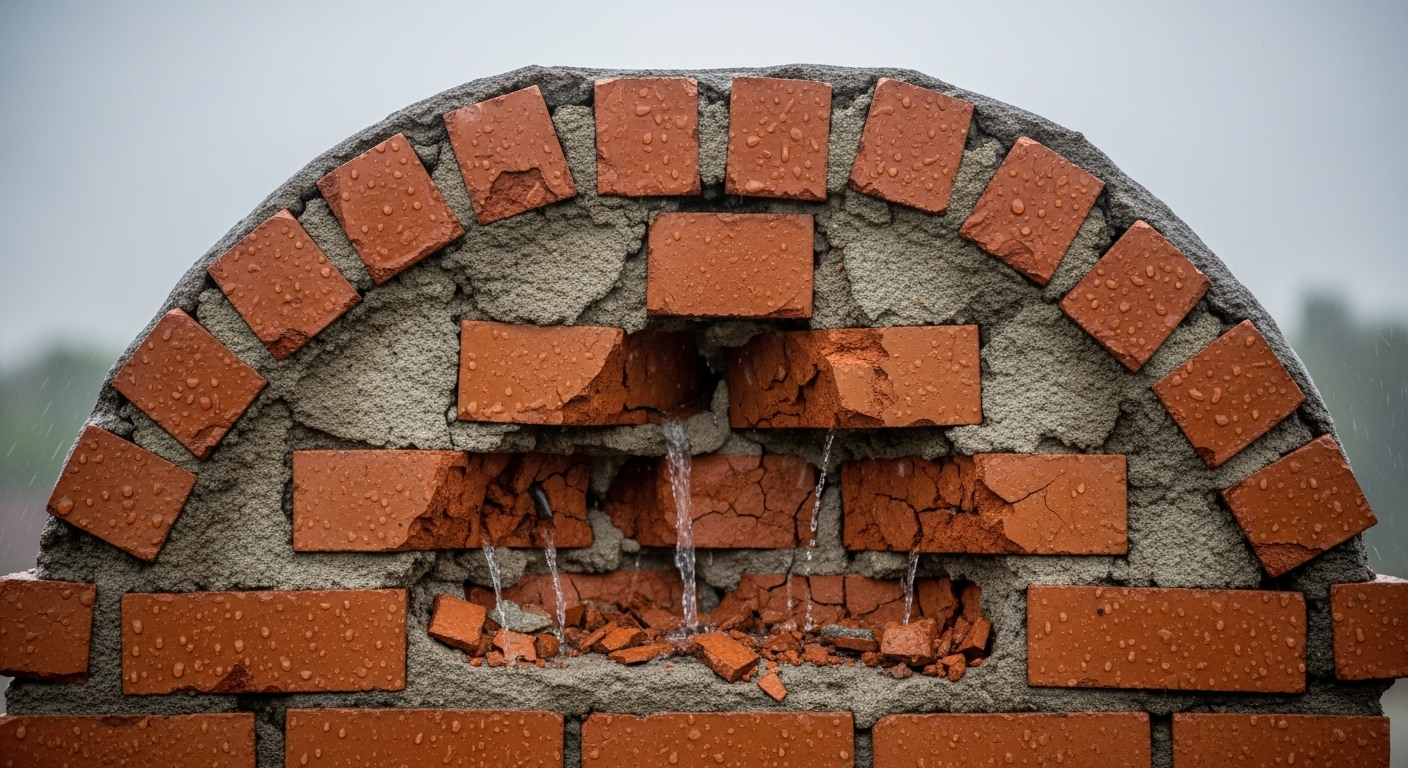
Mortar washout happens faster in chimneys with existing small cracks or missing bricks that let water penetrate. Once water gets inside, it dissolves the lime and cement that hold the masonry together. You might notice this only when bricks start shifting or the chimney crown develops new cracks.
Internal bond failure also affects your chimney’s ability to handle future weather events. Each storm cycle of wetting and drying weakens the remaining mortar. Professional masonry repair requires removing damaged sections and rebuilding with fresh mortar to restore structural integrity.
Flashing Separation And Concealed Roof Interface Gaps
Chimney flashing seals the gap where your chimney meets the roof. High winds can lift shingles and pull flashing away from both the roof deck and chimney masonry without leaving visible damage from ground level. These hidden gaps let water flow directly into your home.
Roof flashing consists of multiple layers including step flashing and counter flashing. Storm damage often separates these layers at points you can’t see without climbing onto the roof. Water then travels along roof rafters before appearing as stains on your ceiling, sometimes far from the actual leak source.
Concealed gaps at the roof interface also compromise the seal around the chimney base. A thorough chimney inspection should include checking all flashing connections and the condition of the sealant where metal meets masonry.
Interpreting Signs, Severity, And Timing Of Risk
Not all chimney damage shows up right away or looks as serious as it actually is. Some cracks only affect appearance while others threaten your home’s safety, and certain problems get worse over time even when the initial damage seemed minor.
Distinguishing Cosmetic Disturbance From Structural Compromise
Surface-level chimney problems often look alarming but may not affect safety. Loose mortar on the outer few inches, minor discoloration, or small chips in the crown typically fall into this category. These issues need repair to prevent water entry, but they don’t create immediate danger.
Structural damage is different. Look for:
- Vertical cracks wider than 1/4 inch that run through multiple bricks
- Tilting or leaning of the entire chimney structure
- Spalling bricks where the face breaks off, exposing the interior
- Separation between the chimney and house wall
A crack that goes all the way through the flue liner can expose your home’s frame to heat and sparks. This creates a fire risk that cosmetic damage never will. Internal damage to the flue often appears as white staining called efflorescence, which signals water penetration that can worsen creosote buildup and reduce the liner’s protective ability.
When Delayed Symptoms Matter More Than Immediate Damage
Storm damage to chimneys can take weeks or months to reveal itself. Water that enters through small crown cracks during a storm may not cause visible problems until the next heating season. When you use your fireplace, the moisture trapped in the masonry turns to steam, causing bricks to crack from the inside out.
Freeze-thaw cycles create the biggest delayed problems. Water enters tiny cracks during the storm, then freezes when temperatures drop. Ice expands with tremendous force, widening gaps in mortar and brick. Each freeze-thaw cycle makes the damage worse. By spring, a hairline crack from August’s storm can become a structural problem.
Watch for these delayed warning signs:
- Musty odors from the fireplace when not in use
- White mineral deposits appearing months after the storm
- Increased drafts or difficulty maintaining chimney draft
- Interior water stains that appear during rain
Creosote buildup accelerates when flue damage goes undetected, creating fire hazards that compound the original storm damage.
Uncertainty Zones That Require Professional Judgment
Some chimney problems fall into gray areas where homeowners can’t reliably assess risk. Flue liner damage often hides behind the brick exterior, making it impossible to evaluate without specialized cameras. A chimney that looks fine from the ground may have serious problems in the upper sections exposed to the strongest winds.
Internal chimney problems require professional tools to diagnose. Thermal imaging cameras detect temperature differences that indicate cracks in the flue liner. Video inspection equipment reveals damage inside the flue that you can’t see from either end. These hidden issues affect how your chimney handles heat and gases.
Call a certified chimney inspector when you notice:
- Any crack you can fit a credit card into
- Pieces of brick or mortar in the fireplace
- Changes in how smoke draws up the chimney
- Damaged flashing where the chimney meets the roof
Professional assessment matters most when storm damage combines with existing wear. Old chimneys with years of creosote buildup become more dangerous when storms compromise their structure, but determining safe operation requires expertise beyond visual inspection.
Consequences Of Missed Or Misread Chimney Damage
Ignoring storm damage to your chimney creates risks that extend far beyond the chimney itself. Small issues quickly become major safety hazards and expensive repairs when left unchecked.
Fire Safety And Draft Performance Implications
Damaged chimneys can develop cracks in the flue liner that allow heat and sparks to reach combustible materials in your walls and roof. These hidden pathways create serious fire risks every time you use your fireplace. Even minor mortar deterioration can compromise the protective barrier between hot exhaust gases and your home’s structure.
A missing or damaged chimney cap lets rain and debris enter your flue, creating blockages that restrict airflow. Poor draft performance forces smoke and dangerous gases like carbon monoxide back into your living space instead of venting safely outside. Water-damaged mortar joints weaken the chimney’s ability to contain heat properly.
Professional chimney technicians can identify these hidden risks during inspections. Storm damage often affects the flue liner in ways you cannot see from ground level. Cracks allow creosote buildup to accumulate in dangerous spots, increasing your fire risk significantly.
Moisture Migration Into Adjacent Structural Systems
Water that enters through storm-damaged chimneys rarely stays contained to the chimney itself. Moisture travels through cracks and spreads into your roof decking, attic insulation, and wall cavities. This creates conditions for mold growth and wood rot in areas you cannot easily inspect.
Failed flashing around your chimney allows water to seep between the chimney and roof. Over time, this damages ceiling joists, rafters, and interior walls. You might notice water stains appearing far from the actual entry point as moisture migrates through building materials.
The longer you wait for chimney repair, the more extensive the damage becomes. What starts as a small crown crack can lead to thousands of dollars in structural repairs to your roof and walls. Regular chimney service helps catch these problems before moisture spreads beyond the chimney structure.
Cumulative Effects Across Repeated Storm Cycles
Each storm season adds new stress to existing damage in your chimney. Freeze-thaw cycles force water into cracks where it expands and contracts, making small problems progressively worse. What might have been a simple mortar repair after one storm becomes a full rebuild after several seasons of neglect.
Repeated exposure to wind and rain weakens compromised areas faster than most homeowners expect. Loose bricks become unstable sections. Minor leaks turn into major structural failures. The cost of chimney repairs increases dramatically with each passing storm.
Professional chimney repair addresses damage before it compounds over time. A cracked crown that costs a few hundred dollars to seal this year might require complete replacement after two more winter seasons. Scheduling inspections after major weather events protects your investment and prevents small issues from cascading into emergency repairs.