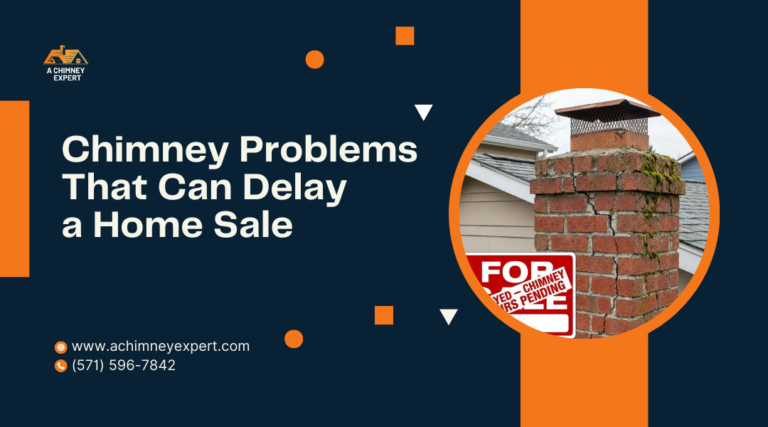
Deciding whether to fix chimney issues before listing your home or offer a credit at closing can shape how smoothly your sale goes. A pre-listing repair can make your property more appealing and help you avoid last-minute negotiations. A credit, on the other hand, may save time upfront but could also give buyers more leverage later. Choosing between repairs and credits depends on your goals, the scope of the problem, and how much control you want over the sale.
If your inspection reveals cracks, leaks, or other chimney concerns, ignoring them can lead to difficult conversations during escrow. Some buyers see unresolved chimney problems as safety red flags, while others prefer to handle repairs themselves with funds provided at closing. Knowing what drives each path helps you make a choice that supports a faster, cleaner transaction.
In the following sections, you’ll see how chimney findings influence your decision, how to evaluate which route best supports your sale, and why skipping steps often backfires. Whether you decide to repair now or credit later, understanding both options protects your negotiating power and your bottom line.
Why Chimney Issues Force A Choice Before Listing
When you prepare to sell, hidden chimney problems can affect pricing, negotiations, and even closing timelines. Identifying these issues early helps you decide whether to repair them upfront or adjust your pricing strategy before your listing goes live.
How Inspection Findings Surface Timing And Cost Decisions
A chimney inspection often reveals problems such as cracked flue liners, moisture intrusion, or creosote buildup. These conditions can mirror other pre-listing concerns like lead paint or a new roof—they all require decisions about whether to fix the problem now or handle it through buyer credits later.
Addressing the issue before listing gives you greater control. Repairs can prevent unexpected price cuts or failed inspections after an offer. On the other hand, offering credits can save time if your budget is tight or if the market favors quick sales.
| Option | Advantages | Disadvantages |
|---|---|---|
| Repair Before Listing | Shows due diligence, stronger negotiation position | Upfront cost and possible delay |
| Credit at Closing | Easier to manage quickly, less disruption | May reduce final sale price |
Proactive planning ensures that your property meets buyer expectations and passes inspection smoothly.
Does This Decision Apply To Your Sale?
Your decision to handle chimney issues before listing or at closing depends on how your fireplace has been used, your property’s age, and how buyers respond to inspection results. Each situation affects repair costs, negotiation power, and how quickly your home can close.
Selling A Home With An Active Or Recently Used Fireplace
If you’ve used your fireplace often, expect buyers and inspectors to focus on safety and maintenance. Recent use increases the chance of soot, creosote, or flue wear that could raise concerns. A pre-listing chimney inspection helps confirm the system’s current condition and prevent expensive surprises later.
Buyers prefer homes where critical systems—like heating appliances—are proven safe and functional. Showing a clean inspection report builds confidence and limits requests for credits. Real estate agents often advise sellers with active fireplaces to repair issues before listing, since documented maintenance supports a stronger asking price.
| Common Findings | Typical Seller Actions |
|---|---|
| Cracked flue liner | Schedule repair before listing |
| Creosote buildup | Pay for professional cleaning |
| Damper malfunction | Replace or adjust mechanism |
Sharing proof of service through receipts or inspection summaries may also satisfy disclosure laws, reducing legal risk after closing.
Listing Older Properties With Known Chimney History
Older homes often have chimneys that were built with outdated materials or have undergone partial repairs. If you already know of cracks, leaks, or prior damage, handle those issues early in the home selling process. Buyers tend to be cautious about older masonry or unlined flues that may not meet current safety standards.

For homes over 30 years old, a Level 2 chimney inspection—which uses a video camera to check internal surfaces—is often recommended. This type of inspection can uncover hidden deterioration that basic visual checks miss.
Real estate agents usually suggest making visible repairs or offering documentation of prior maintenance. Doing so reassures buyers that you’ve managed your property responsibly. If your budget is limited, completing essential safety repairs and offering minor credits can still send a message of transparency and care.
Responding To Buyer-Driven Inspection Pressure
Even with a clean pre-listing report, buyers may order their own inspection. If their findings reveal new or subjective issues, be ready to decide between making last-minute repairs or offering a credit at closing.
Buyers often request credits when repairs seem inconvenient or time-sensitive. In that case, providing a cost estimate from a licensed chimney specialist helps you control the negotiation. You can present factual data rather than accepting inflated demands.
If inspection pressure becomes a sticking point, your real estate agent can highlight earlier documentation showing the chimney’s safe condition. This evidence may protect your asking price while still appearing cooperative to the buyer. Balancing transparency with firmness helps move the deal forward without major concessions.
What This Article Addresses And What It Leaves Out
This section defines the focus and limits of the discussion about handling chimney issues before a home sale. It clarifies what kind of decision-making insight you can expect and what topics fall outside its scope.
Strategic Considerations Versus Legal Or Tax Advice
You’ll find practical guidance on how chimney repairs or credits can affect the sale process but not legal or tax instructions. The focus stays on strategy—helping you weigh whether fixing damage now or offering a credit later aligns with your selling goals. This includes cost control, buyer confidence, and timing within your listing strategy.
For example, if you’re a homeowner or real estate investor, the article helps you estimate repair urgency versus market perception. It explains how early repairs can support stronger pricing and fewer escrow delays. However, it won’t address how deductions, liabilities, or property tax assessments might change afterward.
You should still consult your realtor, attorney, or tax professional before making financial or disclosure decisions. This article provides decision support, not professional certification in compliance or legal protection.
Chimney-Related Decisions Only, Not Whole-Home Negotiations
This article centers on chimney-related conditions—such as cracked flues, missing liners, or bad mortar—and how to manage those before listing. It does not evaluate other home systems like roofing, plumbing, or electrical work. The examples and comparisons here aim to show how chimney-specific choices influence buyer confidence and negotiation tone.
Many homeowners and realtors find that chimney issues can appear small yet spark broader trust concerns during inspection. You’ll learn to frame your approach narrowly so you stay efficient in repairs and pricing.
It excludes general pre-listing inspection practices that apply to entire properties unless those directly impact chimney performance or safety. The goal is to help you make informed, focused choices about this one repair category without drifting into unrelated renovation planning.
Understanding Chimney Findings That Drive Repair Or Credit Decisions
Chimney inspections often reveal problems that affect both safety and function. Some issues call for immediate repair, while others can be resolved through credits at closing. How you interpret inspection findings depends on the nature of the defect, its impact on major systems, and how local inspection standards define severity.
Safety-Related Defects Versus Functional Limitations
Safety findings involve risks that could harm people or property if left unaddressed. These include carbon monoxide leaks, cracked flue liners, and blocked vents. Such hazards often appear when creosote buildup restricts airflow or when masonry cracks allow gases to escape into living areas.

Your home inspector typically flags these as high-priority because they can affect heating performance and air quality. Buyers may see them as non‑negotiable repairs since few lenders will approve financing if a chimney poses a safety risk.
Functional limitations, such as a poorly drafting damper or worn chimney cap, still matter but rarely carry the same urgency. In these cases, you and the buyer might agree on a repair credit rather than completing the work before closing. This arrangement reduces delays while acknowledging that the issue affects comfort, not safety.
| Type of Finding | Typical Severity | Common Approach |
|---|---|---|
| Carbon monoxide leak | High | Required repair |
| Minor damper issue | Moderate | Credit at closing |
| Creosote buildup | High | Professional cleaning repair |
Structural Issues Compared To Maintenance-Level Concerns
Structural problems affect the chimney’s stability and sometimes connect to foundation work or other major systems. Examples include leaning stacks, crumbling mortar joints, or separation from exterior walls. These defects can cause water intrusion or collapse risk. Structural issues often call for masonry repair or rebuilding rather than credits.
Maintenance-level issues—like a deteriorated crown or missing flashing—usually involve lower cost and urgency. These problems don’t weaken the chimney immediately but can grow worse if ignored. Offering a buyer credit for maintenance items may keep negotiations simple, especially when you can document cost estimates through a licensed contractor.
When structural issues exist, most buyers prefer verified repairs completed before closing to ensure safety, code compliance, and insurance eligibility.
How Local Inspection Standards Influence Severity
Home inspectors follow local or national standards that define which chimney findings count as material defects. In some areas, inspectors must rate each component as satisfactory, marginal, or defective. Local climate also influences severity ratings; for example, in cold regions, moisture intrusion and freeze‑thaw damage pose greater structural risks.
If your jurisdiction requires Level II or III chimney inspections, you may receive detailed photos or camera footage showing internal damage. This data helps you decide whether to repair, disclose, or provide a credit.
Understanding these standards prevents miscommunication during negotiations. You can reference professional reports to justify your position, whether that means arranging foundation stabilization, scheduling chimney liner replacement, or adjusting credits to match realistic repair costs.
How Sellers Evaluate The Best Path Forward
When you prepare to sell a home, deciding between completing chimney repairs before listing or offering a credit at closing depends on three main factors: the accuracy of your inspection findings, how much time you have before listing, and how risk is presented by your inspector. Each step affects your timeline, negotiation leverage, and final sale value.
Reviewing Inspection Reports And Scope Clarity
A pre-listing inspection gives you a clear view of your chimney’s condition before buyers get involved. You receive an inspection report that outlines safety issues, code violations, and any needed repairs. Reviewing this report closely helps you separate immediate hazards from minor maintenance items.
Create a table or list of findings based on urgency:
| Priority | Example Issue | Recommended Action |
|---|---|---|
| High | Cracked flue liner | Repair before listing |
| Medium | Minor masonry gaps | Offer repair credit |
| Low | Cosmetic discoloration | Disclose but no repair |
Confirm that the scope of work is clear. Ask the inspector to specify whether problems are structural, cosmetic, or related to routine cleaning. This helps you get consistent quotes from licensed contractors instead of vague estimates that may inflate costs later.
Estimating Timelines Relative To Listing And Closing Dates
Your decision often depends on how much time you have to schedule pre-listing repairs. Some chimney work, such as rebuilding a crown or replacing a liner, can take several days to complete and might require permits. Delays may push your listing date back if you start repairs too late.
Consider these timing points:
- Inspection scheduling: 1–2 weeks lead time for availability.
- Contractor estimate phase: usually 3–5 business days.
- Repair completion: ranges from a few hours to several weeks depending on scope.
If you’re already close to listing, offering a credit at closing can keep the process on track. But if time allows, finished repairs before market often appeal to more buyers and reduce renegotiations.
How Experienced Local Inspectors Like A Chimney Expert Typically Frame Risks For Sellers
A qualified chimney expert not only identifies hazards but also explains how each issue could influence your sale. Reputable inspectors clarify whether a defect might raise safety concerns or appear in a buyer’s inspection report later. This advice helps you decide which problems need immediate attention and which are acceptable to disclose with documentation.
Most experienced inspectors frame risk in three categories: safety, negotiation, and liability.
- Safety risks include blocked flues or fire hazards that must be resolved before showings.
- Negotiation risks involve moderate repairs that buyers may use to request price reductions.
- Liability risks refer to hidden damage that could cause claims after closing.
An experienced local inspector gives you realistic repair ranges and introduces you to licensed contractors who meet local codes. Their detailed guidance supports informed decisions that balance cost, transparency, and sale timing.
Comparing Pre-Listing Repairs And Credits At Closing
Addressing chimney issues early reduces negotiation stress and gives you clearer control over costs. The way you handle repairs—either before listing or through closing credits—can affect pricing, buyer confidence, and how long your home stays on the market.
Completing Repairs Before Listing
Fixing chimney cracks, flashing failures, or liner damage before listing can make your property more appealing. Buyers prefer homes that feel move-in ready, and visible maintenance often leads to stronger offers. A clean inspection report also limits repair requests later.
You should gather several contractor estimates and keep receipts. This documentation supports your listing price and helps justify the condition during appraisal. Pre-listing repairs also minimize delays, since most lenders won’t fund loans for homes with major safety defects, such as unsafe chimneys.
If you can absorb the repair cost upfront, this route usually simplifies negotiations. Instead of offering a repair credit, you provide a home that passes inspection smoothly. The buyer faces fewer concerns about future chimney problems, and you avoid haggling over repair costs during escrow.
Offering Buyer Credits After Inspection
A repair credit at closing shifts the responsibility for fixing chimney issues to the buyer. You agree to provide funds, often as part of closing costs, so the buyer can manage the work after purchasing the home. This approach works best when the problem is not urgent or when you need to sell quickly.
Many sellers use credits to avoid project delays or contractor scheduling issues. You might also prefer this option if the repair cost is uncertain until masonry is opened for inspection. Offering a credit keeps the transaction moving and provides flexibility for both sides during repair negotiations.
Buyers benefit by choosing their own contractor and materials. You benefit by completing the sale without dealing with repair logistics. Still, you should confirm with your agent and lender how much of the credit is allowed under the loan program to prevent closing complications.
Mixed Approaches For Partial Or Phased Issues
Sometimes chimney problems include both urgent and minor items. You might fix the safety-related issues—like a cracked flue or missing cap—before listing and offer a partial credit for cosmetic or optional work, such as crown sealing or repainting.
This mixed approach helps avoid deal-breaking concerns while keeping costs predictable. It reassures buyers that the chimney is safe, yet leaves them freedom to finish improvements on their own timeline. Realtors often recommend this compromise when a full repair feels unnecessary but repair negotiations are expected.
Use a short, clear scope list to show which work you completed and what’s covered by the credit. Transparency reduces confusion and can speed up acceptance of your repair requests or credits during inspection discussions.
Why Common Seller Shortcuts Often Backfire
Rushing to sell faster can tempt you to take shortcuts, such as masking cosmetic issues, offering credit instead of repairs, or skipping proper documentation. These choices often create new problems that delay closing, reduce buyer trust, and lower your negotiating power.
Cosmetic Fixes That Fail Buyer Scrutiny
Quick touch-ups, like painting over cracks or re-caulking problem areas, may look appealing but rarely solve the underlying issue. A fresh coat of paint cannot hide foundation movement, chimney leaks, or damaged masonry for long. Buyers will likely hire inspectors who find these concealed defects, which can lead to demands for new repairs or price reductions.

Instead of focusing only on surface improvements, address root causes before listing. For example, fixing flashing around a chimney rather than repainting nearby stains helps prevent further water damage. Buyers often recognize genuine repairs, which enhances trust and supports your asking price.
A few examples of common cosmetic shortcuts that backfire include:
| Shortcut | Typical Result |
|---|---|
| Painting over cracks | Reveals structural or moisture problems during inspection |
| Hiding soot or stains | Raises suspicion about chimney or ventilation issues |
| Patching mortar poorly | Leads to failed inspection and lost credibility |
Focusing on quality repairs rather than cosmetic cover-ups helps maintain transparency and reduces friction during negotiations.
Credits That Complicate Financing Or Appraisals
Offering a credit at closing might seem easier than completing repairs, but this approach can trigger financing and appraisal complications. Lenders sometimes limit the amount or type of credit allowed, especially if the issue affects the home’s safety or structure. A chimney in poor condition, for example, can influence the appraised value and cause delays in underwriting.
Buyers who rely on loans may struggle to cover both the purchase and post-closing fixes, which increases the chance they’ll walk away. Even small credits for repairs can raise red flags if they appear to replace essential maintenance. Completing important work ahead of time gives buyers and lenders more confidence and helps your sale move smoothly.
When you can, consult your real estate agent or loan officer before offering repair credits. Proper advice keeps your deal both compliant and efficient.
Incomplete Documentation And Disclosure Risks
Failing to provide full documentation for chimney work or inspection results can create legal and financial trouble later. Missing repair receipts or vague descriptions in the disclosure statement make buyers suspicious and can lead to renegotiations after inspection.
Keep clear records that include inspection reports, contractor invoices, and permits, and make them available early in the selling process. Transparency demonstrates that you’ve taken maintenance seriously and handled issues before listing.
If a defect surfaces after closing and you did not disclose it properly, you could face liability for damages or breach of contract. Documenting and sharing evidence of completed repairs helps protect you and increases buyer confidence, reducing the likelihood of costly disputes.
Common Questions And Edge Scenarios
Clear documentation, realistic repair timelines, and proper inspection records often decide whether a deal proceeds smoothly or faces delays. Repair feasibility, buyer confidence, and seasonal timing all influence how chimney issues are resolved before closing.
Which Option Buyers Tend To Trust More
Buyers usually feel more comfortable when they can see completed chimney work and valid inspection reports. A pre-listing repair supported by receipts and professional certifications builds credibility. It shows that you addressed safety and compliance before marketing the home.
Offering a credit at closing can work if repairs are minor, but buyers often worry that costs will exceed the credit. They may also lack the time or resources to coordinate contractors after moving in. This uncertainty can lead to lower offers or requests for escrow holdbacks.
Use clear documentation to reduce doubt:
| Documentation | Why It Matters |
|---|---|
| Recent inspection report | Confirms system safety and compliance |
| Repair invoice | Proves professional work completion |
| Warranty details | Adds long-term trust value |
When buyers trust that the chimney is safe and functional, they’re less likely to renegotiate or delay signing.
How Seasonal Access Affects Repair Feasibility
Chimney repairs often depend on weather. Masonry, liner installations, and exterior sealing require dry, mild conditions. During winter, freezing temperatures or snowfall can make roof access unsafe and prevent mortar from curing properly.
If you list your property in late fall or winter, you might find that only indoor or minor repairs are practical. Professional chimney companies often book weeks in advance during cold months, delaying scheduling. You can plan ahead by completing inspections and cleaning during warm weather.
Some sellers choose to schedule future repairs with written proof of contractor commitment. This can help maintain negotiation progress while showing responsibility for known issues. Contractors may also provide conditional letters verifying safety until full repairs resume when temperatures rise.
When Unresolved Chimney Issues Delay Closing
Lenders, insurers, and inspectors can all flag unaddressed chimney problems. Cracked flue liners, missing caps, or soot buildup often trigger extra inspection steps. If cleaning or repair documentation is missing, underwriters may pause loan approval until the chimney passes review.
Permits can also cause delays. Structural or venting work may need local approval, which can take several days or more. In busy markets, that wait can push a closing into the next month.
Buyers may hesitate to finalize a purchase if they suspect safety hazards or code violations. You can avoid this by providing full maintenance history, scheduling certified inspections early, and confirming all paperwork is ready before closing day.
Conclusion: Choosing A Path Without Creating New Obstacles
Your decision between repairing a chimney before listing or offering a credit at closing should reflect both the home’s real condition and the expectations of today’s buyers. By focusing on transparency and aligning your strategy with market realities, you reduce surprises and keep negotiations on track.
Aligning Repair Or Credit Decisions With Market Conditions
Real estate market trends often guide whether a repair or a credit makes more sense. In a competitive market, buyers tend to prefer move‑in‑ready homes. Handling the chimney repair upfront can make your property stand out and justify a stronger asking price. It also prevents inspection delays that might cause a buyer to reconsider.
In a slower market, flexibility matters more. Offering a credit at closing can attract cautious buyers who want to control how the repair is completed. This approach reduces your upfront costs and can still result in a timely sale, provided the credit amount is fair and based on a verified estimate.
Before choosing, review recent comparable sales and speak with your listing agent about local buyer expectations. A simple table or list of estimated repair costs versus typical buyer credits can help you visualize the trade‑offs. Clear data supports balanced decisions and avoids over‑ or underspending on improvements.
Knowing When Further Evaluation Is The Smarter Next Step
Not every chimney problem needs immediate action. Some issues—like surface cracking or creosote buildup—are inexpensive to fix. Others, such as flue deterioration or structural movement, may require input from a specialist. If an inspector’s report raises questions, scheduling a professional chimney evaluation before listing can prevent risk later.
This step allows you to document the property’s condition, estimate realistic costs, and decide if repairs or credits fit best with your sales goals. You also show buyers that you took due diligence seriously, which builds confidence during negotiations.
When you’re uncertain about scope, rely on licensed contractors and repair quotes in writing. Solid evidence of the issue’s extent, along with honest disclosure, ensures you choose a path that supports a smooth closing instead of creating new obstacles.