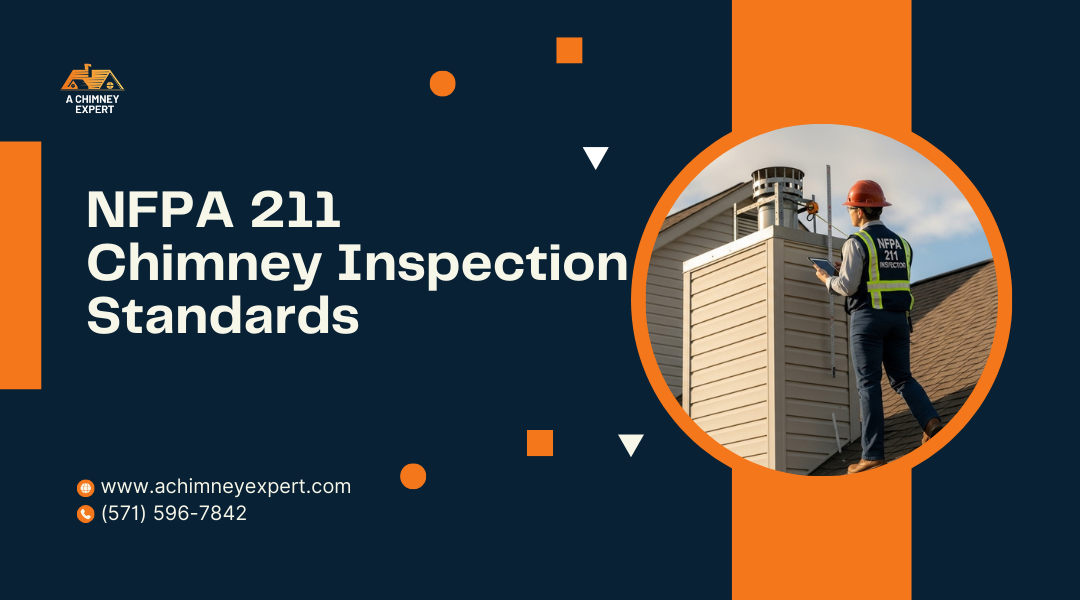
Your chimney is more than a brick structure on your roof—it’s a critical safety system that needs regular evaluation. NFPA 211 is the national standard created by the National Fire Protection Association that sets the rules for how chimneys, fireplaces, and venting systems should be inspected and maintained. Understanding these standards helps you know what to expect during an inspection and why different situations call for different levels of review.
NFPA 211 defines three distinct inspection levels based on what’s happening with your home and chimney, each with specific technical requirements that trained professionals use to evaluate safety risks. When you sell your home, switch fuel types, or notice signs of damage, the inspection level changes to match the situation. These aren’t arbitrary categories—they’re designed to catch problems before they become dangerous.
This article breaks down how NFPA standards work in real-world practice, what inspectors look for at each level, and how findings translate into action steps for your property. You’ll learn the technical criteria that matter, how to interpret inspection results, and what compliance means for your safety and your wallet over time.
Inspection Levels And Triggering Conditions
NFPA 211 defines three distinct chimney inspection levels, each designed for specific situations based on what has changed with your system or what problems might exist. The level you need depends on whether you’re doing routine maintenance, making changes to your heating system, or investigating suspected hidden damage.
Level 1 Routine Service Context
A Level 1 inspection is the basic checkup you need when nothing has changed with your chimney or heating appliance. This level applies when you plan to use your system the same way you have been using it. Your technician examines readily accessible parts of your chimney without using tools to remove panels or covers.
The inspection covers the visible portions of your chimney’s exterior and interior. Your technician checks the accessible parts of your solid-fuel-burning appliances and chimney connections. They verify that your chimney structure and flue are sound and free from blockages or combustible deposits.
You should get a Level 1 inspection during your annual chimney cleaning. This is the minimum requirement for continued safe use of your system under unchanged conditions.
Level 2 Property Transfer Or System Change
A Level 2 inspection becomes necessary when you make changes to your heating system or after certain events occur. You need this inspection level if you change fuel types, replace your appliance, add a new heating unit, or reline your chimney flue.
Property transfers require a Level 2 inspection before the sale closes. You also need this level after events that could cause hidden damage. These events include chimney fires, building fires, earthquakes, or severe weather like hurricanes or tornadoes.
This inspection includes everything in Level 1 plus more areas. Your technician examines accessible spaces like attics, crawl spaces, and basements. They check clearances from combustible materials in all accessible locations. The inspector uses video scanning equipment to examine the internal surfaces and joints of your flue liners. No demolition or permanent removal of building components occurs during Level 2 inspections.
Level 3 Concealed Hazard Investigation
A Level 3 inspection involves removing or destroying parts of your chimney or building structure to access hidden areas. You need this level when Level 1 or Level 2 inspections suggest serious hidden hazards that cannot be evaluated any other way.
This inspection includes everything from Level 1 and Level 2 plus access to concealed portions of your chimney structure. Your technician may need to remove components like the chimney crown or interior chimney walls. The removal only happens in areas that must be examined to determine the extent of suspected damage.
Suspected serious hazards trigger the need for Level 3 inspections. Your inspector recommends this level when special tools or demolition equipment become necessary to complete a proper safety evaluation of concealed chimney sections.
Technical Criteria Within NFPA 211
NFPA 211 sets specific technical requirements for safe chimney and venting system operation. These requirements address minimum clearances from combustibles, proper flue liner sizing and installation, and correct appliance connections to prevent fire hazards and ensure adequate draft.
Clearance To Combustibles Requirements
You must maintain specific distances between your chimney components and any combustible materials in your home. Masonry chimneys require a minimum 2-inch clearance from combustibles, while factory-built chimneys follow manufacturer specifications that typically range from 1 to 3 inches.
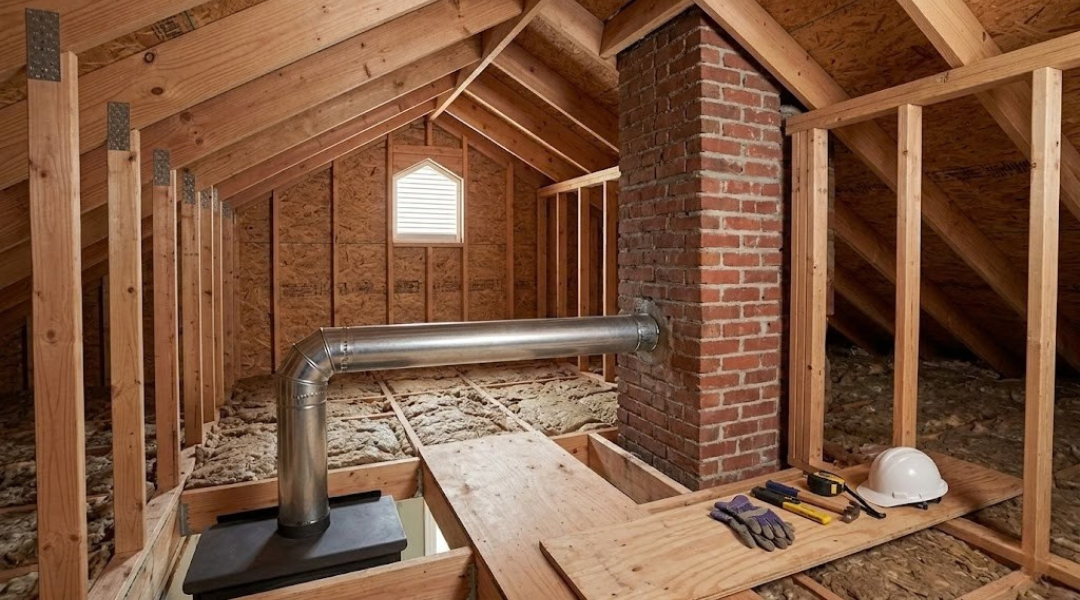
The standard specifies different clearances for chimney connectors based on their material and temperature ratings. Single-wall metal connectors need 18 inches of clearance to combustibles unless you use approved shielding methods. Listed factory-built connectors may have reduced clearances if they meet specific testing requirements.
Common Clearance Requirements:
- Masonry chimneys: 2 inches minimum from combustibles
- Single-wall connectors: 18 inches minimum
- Factory-built chimneys: Per manufacturer’s listing
- Through-wall penetrations: Requires proper thimbles or insulated supports
These clearances prevent heat transfer that could ignite nearby wood framing, insulation, or other flammable materials. You cannot fill these spaces with insulation or other materials that could compromise the air gap.
Flue Liner Continuity And Sizing Rules
Your chimney flue liner must run continuously from the appliance connection to the top of your chimney without gaps or breaks. Any damage to the flue liner requires repair or relining before you can safely use the system.
NFPA 211 provides specific sizing calculations based on your appliance’s input rating and the chimney height. Undersized flues create draft problems and allow combustible deposits to build up faster. Oversized flues can cause condensation problems and poor draft performance.
The standard requires that you size venting systems according to manufacturer specifications for listed appliances. For masonry heaters and other solid fuel appliances, the flue area should generally equal or exceed the outlet area of the appliance. Multiple appliances can share a common flue only under specific conditions outlined in the standard.
Relining becomes necessary when your existing liner shows cracks, gaps, or deterioration. You can use stainless steel liners, cast-in-place liners, or other approved materials that match your fuel type and appliance requirements.
Appliance Connection And Venting Standards
Your appliance must connect to the chimney using approved connectors that match the fuel type and temperature rating. The connector should slope upward at least 1/4 inch per foot from the appliance to the chimney entrance.
Connector length affects draft and safety. NFPA 211 limits horizontal connector runs to prevent excessive cooling of flue gases and creosote buildup. Most installations should keep connectors as short and direct as possible with minimal elbows.
Key Connection Requirements:
- Use listed connectors appropriate for your fuel type
- Maintain minimum 1/4 inch per foot upward slope
- Secure all joints with screws or other approved fasteners
- Avoid passing connectors through combustible walls without proper protection
You must ensure proper clearances around connectors and adequate accessibility for inspection and cleaning. Venting systems for gas appliances have different requirements than solid fuel systems due to lower operating temperatures and different combustion byproducts.
Interpreting Findings And Risk Categories
When inspectors finish examining your chimney, they classify their findings into distinct risk levels that determine how quickly you need to act. Understanding these categories helps you make informed decisions about repairs and protects you from fire hazards and carbon monoxide poisoning.
Deficiency Versus Immediate Hazard Distinctions
Inspectors separate chimney problems into two main groups: deficiencies and immediate hazards. A deficiency is an issue that needs attention but doesn’t pose an urgent threat to your safety. Examples include a missing chimney cap, minor mortar deterioration, or small cracks in the flue liner.
An immediate hazard requires you to stop using your chimney right away. These conditions include heavy creosote buildup that could spark chimney fires, large gaps in the flue liner that allow carbon monoxide to enter your home, or structural damage that compromises the chimney’s stability. Inspectors must clearly mark immediate hazards in their reports.
The distinction matters because immediate hazards put your family at risk of carbon monoxide poisoning or fire. You should not use your fireplace or heating appliance until you fix these problems.
Repair Recommendation Thresholds
Inspectors base their repair recommendations on specific measurable conditions. When creosote deposits reach 1/8 inch thick or more, cleaning becomes necessary to prevent chimney fires. Any crack in a flue liner wider than 1/16 inch typically requires repair or replacement.
Missing or damaged chimney caps need replacement because they allow water, animals, and debris into your chimney system. Loose or crumbling mortar joints require repointing when deterioration affects more than 25% of visible joints. Clearance violations around combustible materials demand immediate correction regardless of severity.
Your inspector should explain which repairs are urgent and which ones you can schedule over time. They provide cost estimates and timelines so you can plan accordingly.
Documentation And Liability Implications
Your inspection report serves as a legal record of your chimney’s condition. This documentation protects both you and the inspector by creating a clear timeline of when problems were identified and what recommendations were made.
Keep all inspection reports, repair invoices, and maintenance records in a file. These documents prove you followed safety standards if an insurance claim or property sale occurs. They also show that you addressed hazards promptly.
If you ignore documented immediate hazards and a chimney fire or carbon monoxide incident happens, your insurance company may deny your claim. The documentation establishes that you knew about the risk but chose not to fix it.
Applying NFPA 211 In Established Service Practice
Professional chimney service providers blend NFPA 211 requirements with industry certifications and local code variations to deliver thorough inspections. The standard serves as a baseline that adapts to regional construction patterns and municipal enforcement priorities.
Integration With CSIA Inspection Protocols
The Chimney Safety Institute of America (CSIA) certification program builds directly on NFPA 211’s three-level inspection framework. When you hire a CSIA-certified chimney sweep, they follow inspection protocols that mirror the standard’s requirements while adding specific documentation procedures.
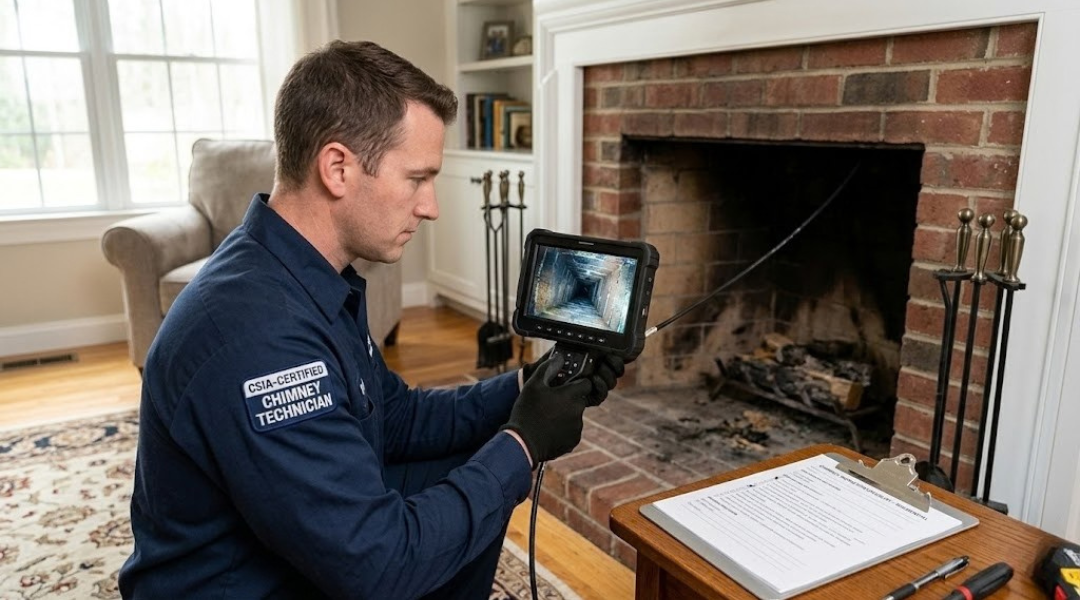
CSIA training incorporates NFPA 211’s technical specifications for clearances, materials, and safety margins. Your certified technician uses these guidelines to evaluate chimney components systematically.
The certification process requires technicians to demonstrate knowledge of both current NFPA 211 standards and practical application skills. This dual focus ensures that inspections address code compliance while identifying real-world hazards. Most professional chimney services maintain copies of NFPA 211 alongside CSIA materials in their service vehicles for field reference.
Older Masonry Systems Common In Northern Virginia
Northern Virginia’s housing stock includes numerous pre-1980s masonry chimneys that predate modern NFPA 211 requirements. These older systems often lack proper clearances from combustible framing or use construction methods no longer considered safe.
You’ll find many chimneys with undersized flue linings or deteriorating mortar joints that don’t meet current standards. While NFPA 211 generally applies to new installations, inspectors use it as a benchmark to identify hazardous conditions in existing structures.
Common issues include missing or damaged chimney caps, inadequate liner systems, and insufficient clearances in attic spaces. Your inspector evaluates these conditions against NFPA 211 Chapter 7 requirements for masonry construction, even when strict code compliance isn’t legally required for existing chimneys.
Code Enforcement Patterns Affecting Sterling, VA
Sterling falls under Loudoun County’s jurisdiction, which has adopted specific editions of NFPA standards into local building codes. The county typically enforces NFPA 211 requirements for new installations, major renovations, and fuel-type conversions.
Your local building department may not require upgrades to existing chimneys unless you’re changing the heating system or making structural modifications. This creates a practical distinction between recommended safety improvements and mandatory code compliance.
Enforcement focuses heavily on new construction permits and property transfers. If you’re buying or selling a home, expect closer scrutiny of chimney conditions even when no legal requirement exists for full NFPA 211 compliance on older systems.
Compliance, Cost, And Long-Term Consequences
Meeting NFPA 211 standards involves upfront costs that homeowners often weigh against potential risks, but cutting corners typically leads to higher expenses and liability down the road. Understanding the financial and legal stakes helps you make informed decisions about your chimney system.
Minimal Compliance Versus Best Practice Margins
Minimum compliance fixes only the most obvious problems found during inspection. You might address a cracked flue liner but skip the chimney cap replacement if it still functions marginally.
Best practice margins go beyond the baseline. They include upgrades that improve safety and efficiency even when not strictly required. Installing a stainless steel liner in a masonry chimney that technically passes inspection represents this approach.
The cost difference between minimal and comprehensive compliance ranges from several hundred to several thousand dollars. A basic Level I inspection costs $100-$300, while addressing all recommended improvements might total $2,000-$5,000. These numbers vary based on chimney condition and regional labor rates.
Choosing minimal compliance saves money initially but increases the likelihood of emergency repairs. A deteriorating chimney that meets basic standards today may fail catastrophically within months, requiring far more expensive reconstruction.
Deferred Correction And Compounding Risk
Postponing recommended repairs creates escalating damage patterns. A small crack in a clay liner allows moisture penetration, which freezes and expands during winter, turning a $500 repair into a $3,000 flue replacement.
Corrosion spreads through metal components when exposed to acidic condensation. What starts as surface rust on a damper assembly eventually compromises structural integrity throughout the system. Each heating season accelerates the deterioration.
Fire prevention becomes increasingly difficult as defects multiply. Creosote builds up faster in damaged flues where airflow patterns are disrupted. The combination of combustible deposits and deteriorated materials significantly raises ignition risk.
Inspection reports document these issues with specific timelines. Addressing problems marked as “immediate action required” within weeks prevents them from becoming “hazardous condition” emergencies that force system shutdowns during peak heating months.
Insurance And Real Estate Implications
Home insurance policies often require documented chimney maintenance to cover fire damage claims. Your insurer may deny claims if annual inspections were skipped or known defects went unrepaired. Some policies explicitly reference NFPA 211 compliance in their coverage terms.
Real estate transactions require disclosure of chimney condition in most jurisdictions. A failed inspection discovered during the sale process reduces your negotiating position and home value. Buyers typically demand either repairs before closing or price reductions covering estimated fix costs plus a margin.
Insurance considerations:
- Annual inspection documentation protects claim validity
- Unrepaired defects may void coverage for related damage
- Premium increases follow claims tied to neglected maintenance
Property values decline $2,000-$10,000 when inspection reports show NFPA 211 violations. Severe issues like structural cracks or missing liners can halt sales entirely until corrected. Maintaining compliance preserves both insurability and market value.