DIY Chimney Maintenance: What You Can (and Can’t) Do YourselfChimney maintenance is crucial for ensuring the safety and efficiency of your home. Understanding what you can and cannot do yourself is key to preventing costly damage and dangerous situations. From regular cleaning to identifying visible issues, there are several tasks you might handle, while others are better left to professionals like A Chimney Expert LLC in Oak Grove, Virginia.
Different types of chimneys, whether wood-burning, gas, or pellet, require specific care. While you might feel confident about basic cleaning, complex repairs or thorough inspections often need specialized knowledge and tools. Attempting these without proper training can lead to serious problems, including fire hazards or costly repairs down the line.
This article will guide you through the essential aspects of DIY chimney care, helping you grasp what tasks are safe for you to take on and when it’s time to call in experts. With the right approach, you can maintain your chimney effectively and keep your home safe and warm.
Why Chimney Maintenance Is Essential
Regular chimney maintenance is crucial for ensuring safety, preserving your home’s structure, and meeting legal requirements. Keeping your chimney in good shape protects your home from fire hazards and supports your fireplace’s efficiency.
Fire Hazards and Carbon Monoxide Risks
Chimney fires can start silently and spread quickly, putting your home and family at risk. According to the National Fire Protection Association, thousands of chimney fires occur each year, often due to creosote buildup from wood-burning fires.
Creosote is a flammable substance that accumulates in your chimney. Regular cleaning reduces this risk.
Additionally, improper ventilation can lead to carbon monoxide buildup. This odorless gas can be deadly. You must keep your chimney clear to ensure toxic gases are properly vented outside.
Preserving Structural Integrity
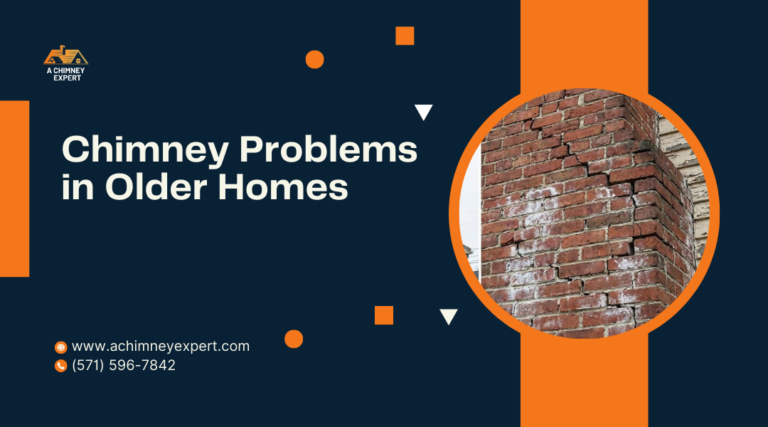
Your chimney plays a vital role in your home’s structure. Damage can occur from weather exposure, settling, and age. Cracks and deterioration can lead to more serious issues if not addressed quickly.
Maintaining your chimney can prevent costly repairs. A well-maintained chimney also improves your home’s value.
For instance, issues like water leaks can weaken the entire structure, creating safety hazards. Repairing small problems early can save you from larger expenses in the future.
Meeting Insurance and Code Requirements
Most homeowners’ insurance policies require regular maintenance of your chimney. Failure to keep up with inspections or repairs can result in denied claims after a fire.
Local building codes often have specific guidelines for chimney maintenance. Keeping compliant can prevent fines and ensure your home is up to standard.
Regular checks make sure your chimney meets safety regulations, protecting your investment. You’ll have peace of mind, knowing you’ve done your part to keep your family safe.
Ensuring you meet these requirements is a responsible choice and crucial for your family’s safety.
What Chimney Maintenance Tasks You Can Safely Do Yourself
Maintaining your chimney is important for safety and efficiency. There are several tasks you can handle yourself to keep your chimney in good condition. These tasks can help you spot potential issues and ensure your fireplace operates well.
Visual Inspections (What to Look For)
Start with a visual inspection of your chimney and fireplace. Look for cracks in the bricks or mortar of the chimney. These can affect the structure and create safety hazards. Check the chimney cap for any damage. A cracked or missing cap can allow water and debris into your chimney, which can lead to bigger problems.
Pay attention to rust or corrosion on metal parts, especially the damper. This can prevent proper airflow. Check the firebox for cracks, and look inside the smoke chamber for signs of creosote buildup, which can lead to chimney fires. If you see any significant issues, it might be time to call a professional.
Cleaning the Firebox and Hearth
Regularly cleaning the firebox and hearth is essential for maintaining your fireplace. Use a brush and dustpan to remove ashes and soot from the firebox. Make sure to wear a dust mask to avoid breathing in particles. It’s best to let the ashes cool for at least 24 hours before cleaning.
To clean your hearth, start by sweeping or vacuuming away debris. You can also use a damp cloth to wipe down the surfaces. For tough stains, a mixture of vinegar and water works well. Ensure the area is clear and dry before using your fireplace again. This simple task can improve airflow and keep your fireplace looking its best.
Checking and Replacing the Chimney Cap
The chimney cap is a protective shield at the top of your chimney. It prevents rain and animals from entering while allowing smoke to exit. Check the cap for signs of damage like rust or cracks. If it’s loose or missing, you should replace it to maintain proper ventilation.
To replace the cap, first, measure the top of your chimney to find the right fit. You can purchase a new cap at a hardware store. Installing it can usually be done with basic tools. Ensure it fits snugly to protect your chimney from the elements and blockages.
Removing Light Soot from Accessible Areas
Light soot can accumulate in your chimney and fireplace. While you should leave deep cleaning to the pros, you can manage light soot on your own. Use a soft-bristled brush to gently sweep away soot in reachable areas like the smoke shelf and smoke chamber.
Make sure to wear gloves and a mask to protect yourself from soot inhalation. After brushing, use a vacuum with a HEPA filter to clean up any dust and debris. Keeping these areas clean can improve airflow and reduce the risk of fires.
Monitoring Smoke and Draft Behavior
You should regularly monitor the smoke and draft behavior when using your fireplace. When you light a fire, pay attention to how the smoke rises. It should flow up the chimney and not drift back into the room. If smoke comes into your home, it could indicate a blockage or insufficient draft.
Inspect the damper to ensure it’s open. A closed damper can prevent proper airflow. If you’re having persistent draft issues, consider checking for obstructions in the flue or calling a professional for a detailed inspection. Keeping an eye on smoke behavior is key to your safety and comfort.
What You Shouldn’t Attempt Without a Professional
Keeping your chimney safe and functional takes more than simple cleaning. Certain tasks require the expertise of a professional to avoid risks and ensure proper repairs. Here are key areas that should always be handled by a qualified chimney sweep.
Deep Flue Cleaning and Creosote Removal
Deep flue cleaning is crucial for preventing chimney fires. Creosote buildup inside the flue can ignite, causing dangerous conditions. A professional chimney sweep has specialized tools to remove creosote effectively. They can ensure that not just the surface soot is cleared but also any sticky, tar-like deposits. Attempting this yourself can lead to incomplete cleaning, increasing fire risks.
Camera Inspections and Structural Checks
Camera inspections allow professionals to closely examine the chimney’s interior. This process identifies hidden damage or blockages that could cause severe issues. You may not recognize signs of deterioration without specialized equipment. Relying on experts for structural checks ensures any concerns about safety are addressed before they turn into costly repairs.
Identifying Chimney Liner Damage
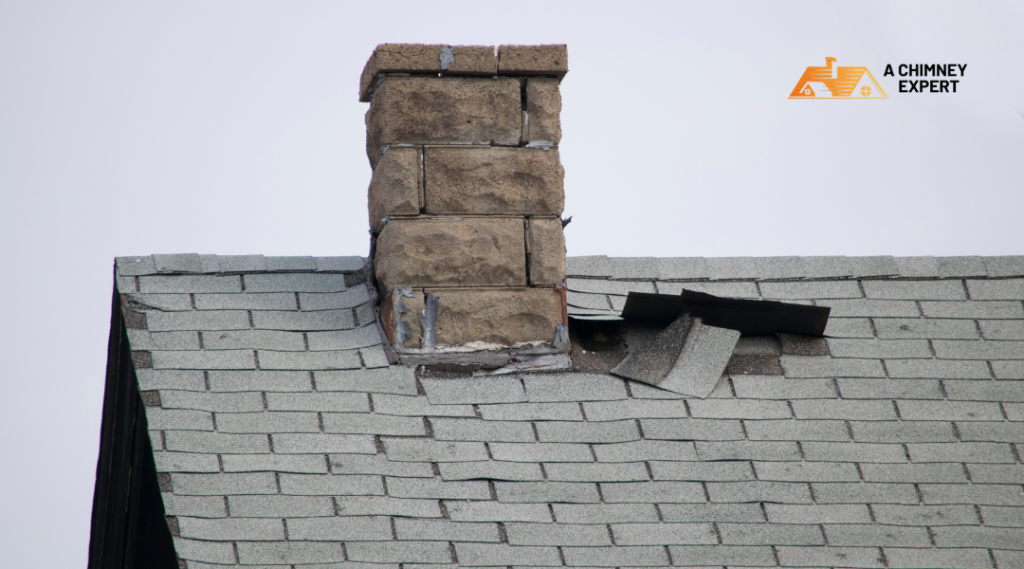
The chimney liner protects your home from heat and byproducts escaping into walls. Damage to this liner can result in unsafe conditions, including carbon monoxide leaks. You might not be able to accurately assess liner wear or cracks. A professional will have the skills to inspect and replace these liners safely, ensuring your system works efficiently.
Chimney Crown, Flashing, and Masonry Repairs
The chimney crown and flashing are essential for preventing water damage. Issues with these components can lead to leaks and expensive repairs. While small surface fixes may seem manageable, you risk causing further damage if not done properly. Professionals understand the correct materials to use and the best practices for repairs.
Compliance Inspections and Fire Code Evaluation
Chimneys must meet local safety codes and regulations. A compliance inspection is necessary to ensure your chimney adheres to current fire codes. Taking this on yourself can overlook critical requirements that protect your home. Hiring a professional ensures that all safety standards are met, giving you peace of mind about your chimney’s operation.
Common Mistakes DIYers Make (And How to Avoid Them)
When maintaining your chimney, it’s important to recognize common mistakes that can lead to bigger issues. Understanding these pitfalls can help you ensure a safer and more effective DIY chimney cleaning process.
Using Incorrect Tools or Cleaners
Using the wrong tools can make chimney cleaning less effective and could even cause damage. A chimney brush is essential for removing soot and creosote, while a shop vacuum can help clean up debris. Avoid using household cleaners that contain harsh chemicals, as they may harm the chimney’s interior.
When selecting your cleaning tools, ensure they are specifically designed for chimney maintenance. Investing in quality chimney cleaning tools not only makes the job easier but also helps maintain the integrity of your chimney. Always read the manufacturer’s recommendations for the best results.
Ignoring Early Signs of Damage
Early signs of chimney damage often go unnoticed, leading to bigger problems down the road. Look for cracks in the masonry, loose bricks, or rust on metal components. These signs can indicate issues that need immediate attention.
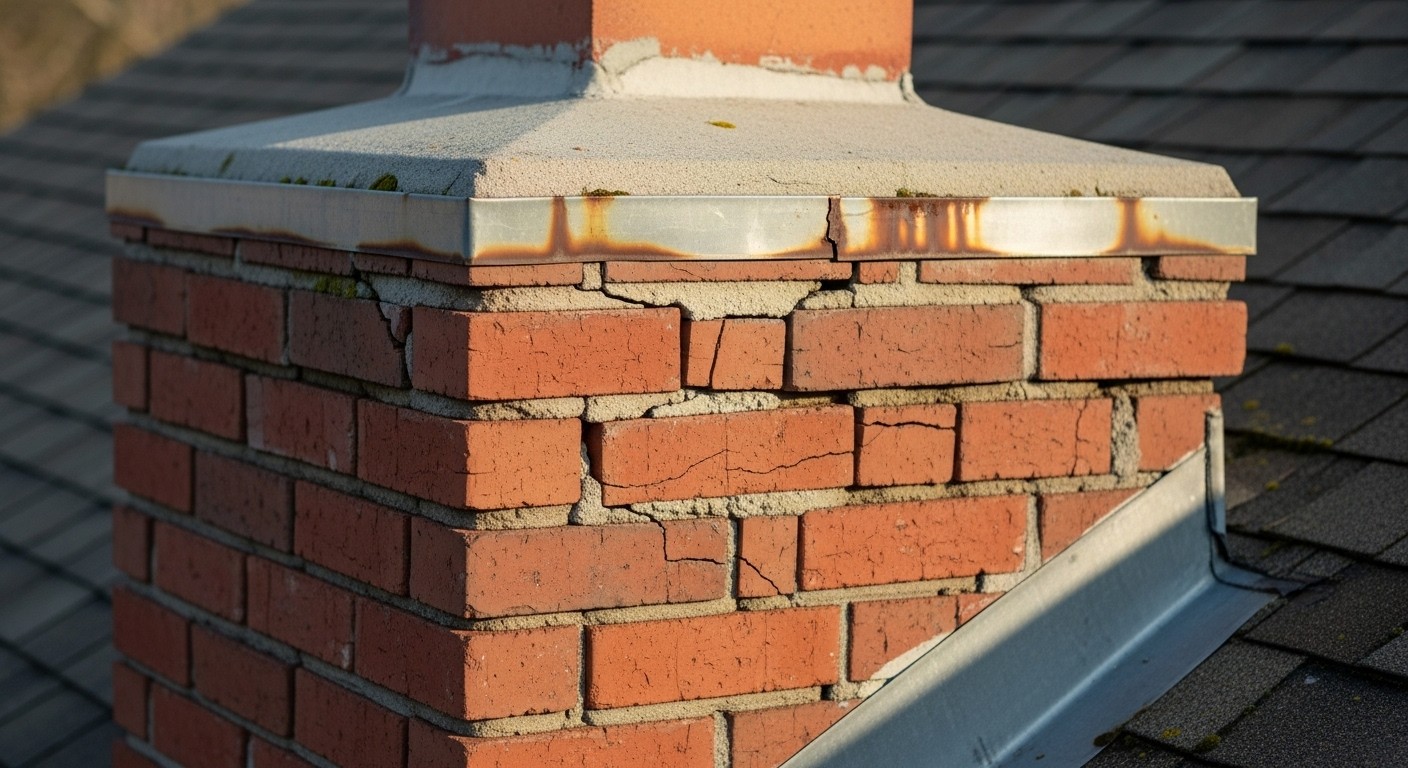
Perform routine inspections and address any minor issues promptly. Ignoring these signs may result in costly repairs. Small cracks or wear can lead to leaks and further damage if not handled early. Take a proactive approach to keep your chimney safe and functional.
Underestimating Hidden Issues in the Flue
Hidden problems within the flue can pose serious risks. Creosote buildup, due to insufficient cleaning, can ignite and cause chimney fires. Also, blockages from debris or animal nests can restrict airflow and create dangerous situations.
You should use a chimney brush and other cleaning tools regularly to prevent buildup. Additionally, a thorough inspection of the flue might reveal hidden issues that require professional help. Even if you clean your chimney, consider having it inspected annually to ensure everything operates safely.
Blocking Ventilation or Smoke Pathways
Ventilation is crucial for a functioning chimney. If ventilation pathways are blocked, smoke can back up into your home, posing health risks and creating a fire hazard. You must ensure that nothing obstructs the chimney cap or that debris doesn’t block the flue.
When cleaning, check that all parts of the chimney, including the smoke shelf and flue liner, are clear. If you find any blockages, remove them carefully to maintain proper airflow. Regular checks and maintenance can prevent smoke-related issues and keep your chimney safe for use.
How Often Should You Perform Chimney Maintenance?
Regular chimney maintenance is essential for safe and efficient burning. Understanding the right schedule can help prevent dangerous buildup and ensure that your fireplace operates well throughout the year.
Seasonal Inspection Checklist (Spring vs. Fall)
Inspect your chimney before the start of the burning season, ideally in the fall. Look for cracks, loose bricks, or flue tiles. Make sure there are no obstructions, such as nests or debris, which can block airflow.
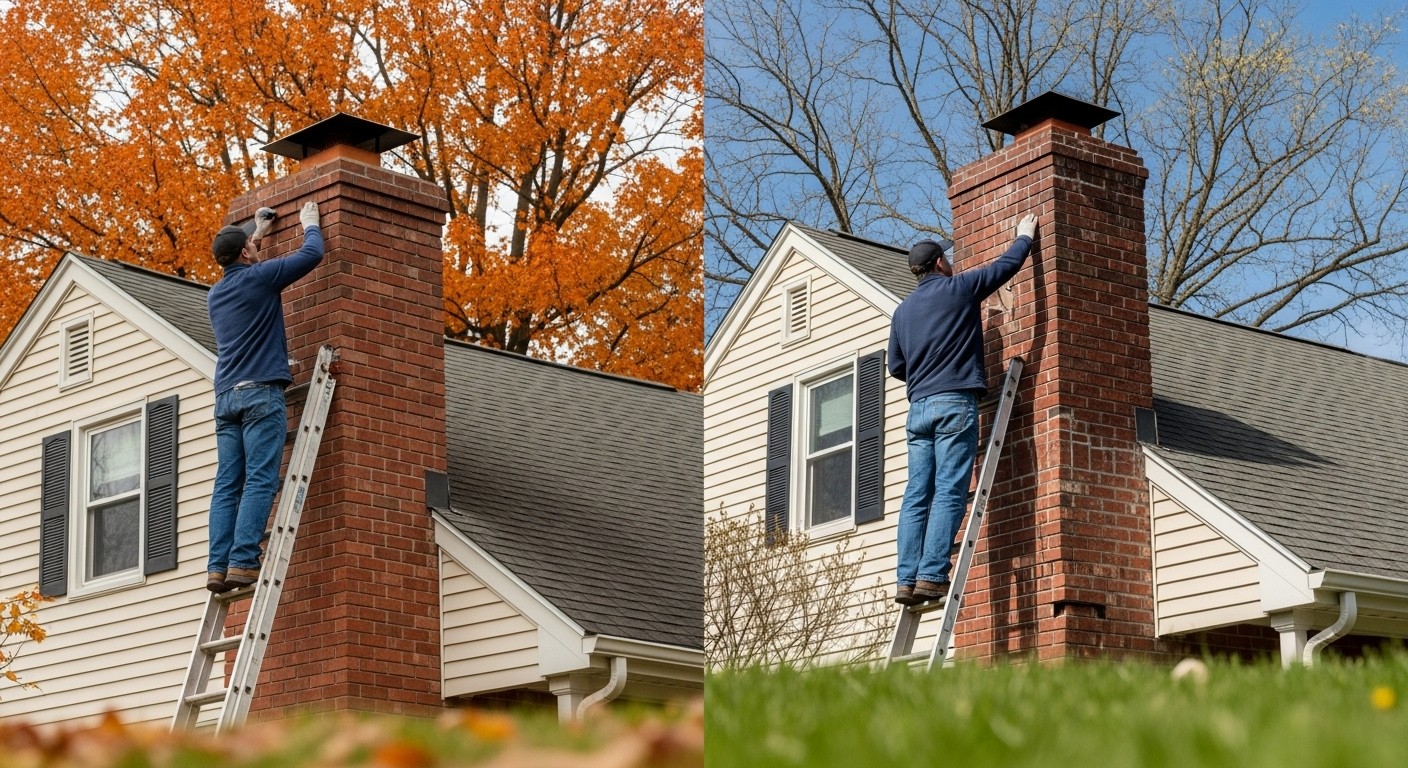
In spring, check for damage caused by winter weather. Look for any signs of leaks or wear that could affect performance. A simple visual inspection can help you catch issues before they become serious.
Ensure you only use seasoned firewood. Burning wet or green wood can lead to increased creosote buildup, which may require more frequent inspections.
Annual vs. Bi-Annual Cleaning Schedules
Most experts recommend cleaning your chimney at least once a year. If you use your fireplace frequently, especially with wood-burning, consider scheduling a bi-annual cleaning.
Using seasoned firewood can minimize buildup, but regular checks are still important. If you notice a significant amount of soot or creosote, it may be time for cleaning, regardless of your set schedule.
In addition to cleaning, ensure your chimney cap is intact and functioning to keep out rain and animals. This helps maintain air flow and reduces the risk of blockages.
Signs It’s Time to Call a Professional
Watch for specific signs that indicate you need a professional. If you notice a strong odor coming from your chimney or find smoke entering your home, call an expert immediately.
Cracked tiles or excessive creosote buildup are also red flags. If you burn wood often, look for flue blockages or poor airflow.
If you have not cleaned your chimney in over a year and regularly use your fireplace, it is time for professional help. Keeping your chimney in good shape is vital for safety and efficiency.
Safety Tips for DIY Chimney Maintenance
When maintaining your chimney, safety should always be your top priority. Taking proper precautions can prevent accidents and injuries. Here are some essential safety tips to help you work safely.
Personal Protective Gear and Equipment
Wearing the right protective gear is crucial for your safety. Equip yourself with safety glasses to shield your eyes from dust and debris. A dust mask is also important, as it helps you avoid inhaling harmful particles during cleaning.
Use gloves to protect your hands from sharp edges and soot. Consider wearing long sleeves and pants to cover your skin. This gear will minimize exposure to harmful substances. Also, use plastic sheeting to cover furniture and floors to contain dust, making cleanup easier.
Working on a Roof or Ladder Safely
When working on the roof or using a ladder, follow safety guidelines closely. Ensure your ladder is located on a stable surface to prevent it from tipping over. Use a ladder that extends at least three feet above the roofline for better grip.
Always have someone with you when working at heights. This person can assist you in case of an emergency. Take your time ascending or descending, avoiding any rush. If the roof is wet or icy, consider postponing your work. Your safety is more important than completing the task quickly.
When to Stop and Call A Chimney Expert LLC
Certain tasks require professional expertise. If you encounter any signs of damage, such as cracks or significant buildup, stop working immediately. These issues can lead to unsafe conditions and should be assessed by a professional.
If you feel uncomfortable or unsure about any task, do not hesitate to call A Chimney Expert LLC. It’s better to ask for help than to risk injury or damage to your chimney. Regular professional inspections are also a good idea to ensure everything is in safe working order.
Benefits of Partnering with A Chimney Expert LLC in Oak Grove, VA
When maintaining your chimney, working with a reliable professional is essential. Partnering with A Chimney Expert LLC ensures that your chimney receives the care and attention it needs. Here are the key benefits of choosing our services.
Certified Inspections and Detailed Reports
You benefit from certified inspections conducted by trained professionals. A chimney sweep at A Chimney Expert LLC is certified to examine your chimney thoroughly, looking for potential hazards, creosote buildup, and structural issues.
After the inspection, you receive a detailed report explaining the findings. This report includes recommendations for repairs and maintenance to keep your chimney safe and functional. By understanding the condition of your chimney, you can avoid costly repairs in the future.
Knowing your chimney’s health helps you make informed decisions about necessary services. Regular inspections ensure that your fireplace operates efficiently and safely, providing peace of mind during the colder months.
Safe, Thorough Cleaning Services
Keeping your chimney clean is crucial for preventing fire hazards and ensuring efficient operation. A professional chimney sweep from A Chimney Expert LLC uses specialized tools and techniques to thoroughly clean your chimney.
Our team removes creosote and soot, which can build up over time and create dangerous situations. We focus on safety, so you can trust our methods to protect your home.
Not only does regular cleaning improve airflow, but it also enhances the overall performance of your fireplace. A clean chimney reduces the risk of chimney fires and other hazards, allowing you to enjoy your fires without worry.
Preventative Maintenance Plans for Homeowners
A chimney sweep from A Chimney Expert LLC can set you up with a preventative maintenance plan tailored to your needs. These plans include regular inspections and cleanings to ensure your chimney remains in top condition.
By committing to a maintenance schedule, you can spot issues before they become major problems. Preventative care helps extend the lifespan of your chimney and reduces repair costs over time.
Additionally, our plans often include priority service, making it easier for you to request help when needed. This proactive approach offers both convenience and protection for your home, ensuring your chimney remains a safe and effective feature of your property.