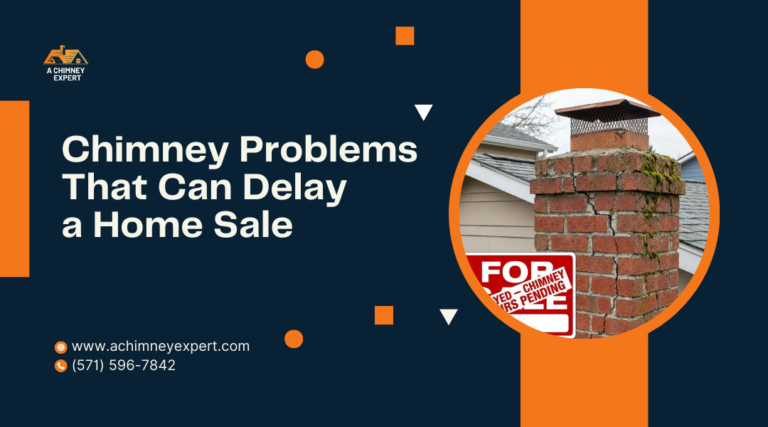
Owning an older home in Northern Virginia often means inheriting a chimney built decades ago with materials and methods that age differently from the rest of the structure. Brickwork, mortar, and liners once considered durable now face challenges from weather, moisture, and time. You face a unique set of chimney problems that require careful inspection and experienced maintenance—not just routine cleaning.
Over the years, temperature swings, humidity, and freeze-thaw cycles in this region have quietly strained many chimneys. What once seemed solid can now hide cracks, deteriorated joints, or outdated components that affect both safety and performance. You may not notice damage until smoke flow changes, odors appear, or masonry begins to crumble.
Understanding how older chimney systems were built helps explain why issues develop and why standard upkeep often isn’t enough. When you know what signs to look for and where professionals focus their evaluations, you gain control over maintenance decisions that protect your home and preserve its character.
Why Chimneys Age Differently Than the Rest Of The House
Chimneys deteriorate faster than most parts of a home because they face continuous heat changes, moisture, and chemical exposure that walls or roofs do not endure. Their placement above the roofline exposes them to harsh weather and frequent thermal cycling that gradually weakens the masonry and mortar holding them together.
How Decades Of Use And Exposure Create Hidden Risks
Each firing cycle expands and contracts the chimney’s materials. Over decades, that movement causes hairline cracks in bricks and mortar joints. Water seeps into these openings, freezes in winter, and expands. This repeated freeze–thaw action increases structural stress, leading to spalling brick surfaces and loose joints.
Unlike interior walls, chimneys constantly vent heat, smoke, and corrosive gases. Soot and creosote accumulate inside the flue, narrowing airflow and raising fire risk. Aging liners, especially unlined or clay types found in older Northern Virginia homes, can crumble or separate, allowing heat and gases to reach nearby framing.
Heavy rainfall, wind, and UV exposure wear down chimney crowns and flashing faster than roofing materials. Without inspection and maintenance, these small failures combine into moisture damage that compromises both chimney stability and indoor safety.
Does This Apply To Your Home?
Homes built before current building standards often include aging chimney components that may no longer meet modern safety or performance expectations. Specific factors such as construction era, original fireplace design, and renovation history all influence whether your chimney requires updates or repairs.
Properties Built Before Modern Chimney Codes
If your home was built before the late 1980s, its chimney likely predates many key safety codes now enforced in Northern Virginia. Older homes often lack flue liners or have deteriorated clay liners that no longer contain heat or combustion gases effectively. Without a proper liner, gases and creosote can seep into the surrounding masonry or living spaces.
Even solid-looking brickwork can hide crumbling mortar and internal gaps. Temperature fluctuations, moisture infiltration, and settling make these older chimneys vulnerable to cracking. Building codes now require specific clearances between combustible materials and masonry, but older houses rarely follow those standards.
Checklist for Pre-Code Chimneys:
- Masonry shows cracks, staining, or leaning
- No visible clay or metal liner
- Draft problems or smoke entering the room
Scheduling a level 2 chimney inspection helps identify structural and safety issues before they cause more extensive damage.
Homes With Original Masonry Fireplaces Still In Use
Many older Northern Virginia homes still rely on their original masonry fireplaces for heat or ambiance. These fireplaces were built for wood burning and may not adapt well to modern fuels or inserts. Over decades, thermal stress and condensation wear down mortar joints and brick faces—a process known as spalling.
You might notice flakes of brick falling into the hearth or white staining (efflorescence) on the chimney face. These are early warning signs of moisture penetration. Unlined or damaged flues can also release carbon monoxide or allow creosote buildup, increasing fire risk.
To extend the life of an original fireplace, consider:
- Installing a stainless steel liner to handle higher flue temperatures
- Repointing or sealing masonry to stop water absorption
- Adding a chimney cap to block animals and rainfall
Routine maintenance preserves both the look and integrity of heritage masonry fireplaces.
Renovated Interiors With Unchanged Chimney Systems
Renovations often modernize living spaces without addressing the chimney system hidden behind walls. Updated HVAC systems, insulation, or sealed windows can alter a home’s airflow, reducing the natural draft that older chimneys depend on. Poor drafting can trap exhaust gases inside or cause smoke to backflow indoors.
If your renovation included a kitchen exhaust fan, modern furnace, or tighter building envelope, your chimney may no longer vent properly. Common signs include slow-starting fires, condensation inside the firebox, or odors from the flue during humid weather.
Key upgrades to consider:
- Adding a flue liner compatible with new heating appliances
- Installing outside-air intakes to stabilize draft pressure
- Scheduling airflow and venting tests after major remodeling
By aligning chimney function with modern ventilation standards, you protect your updated living environment from hidden combustion hazards.
What This Article Covers And Where It Draws The Line
This section explains how the discussion separates long-term effects of aging materials from isolated chimney defects and clarifies that the goal is to build your understanding, not to teach do-it-yourself repairs. The coverage centers on patterns commonly seen in older Northern Virginia homes.
Age-Related Chimney Behavior Versus Isolated Defects
You’ll notice that not all chimney damage points to poor upkeep. Some deterioration results from normal material aging, especially in older masonry and mortar exposed to decades of freeze-thaw cycles. These natural shifts can lead to hairline cracks, minor leaning, or flaking bricks known as spalling.
By contrast, isolated defects usually appear due to one-time events—such as storm impact, improper installation, or past patchwork repairs. Recognizing which category a problem fits into helps you decide when to seek an inspection rather than immediate structural work.
Use this quick reference:
| Type of Concern | Typical Cause | Example Indicator |
|---|---|---|
| Age-Related | Material fatigue, weathering | Minor mortar erosion |
| Isolated Defect | Physical impact, poor prior work | Single missing brick |
Understanding these distinctions lets you set realistic priorities and avoid unnecessary costs.
Education-Focused Overview Rather Than Repair Guidance
This article focuses on observation and awareness, not on step-by-step repairs. You will find explanations of why certain chimney conditions develop, what warning signs to look for, and when to schedule a professional evaluation.
You won’t see instructions for relining, mortar mixing, or flue rebuilding. Those tasks depend on local code compliance, proper tools, and safety checks that trained chimney specialists handle.
Instead, the intent is to help you ask informed questions when working with an inspector. Knowing what terms like creosote buildup or mortar spalling mean ensures you understand inspection reports and make decisions based on verifiable facts, not guesswork.
How Older Chimney Systems Were Built And Why That Matters
Older chimney systems in Northern Virginia often rely on mid-century masonry techniques, fired-clay liners, and materials sensitive to moisture and temperature cycles. These construction details determine how well your chimney resists heat stress, water damage, and structural deterioration over time. Understanding these aspects helps you make informed decisions about inspection, restoration, and safety.
Masonry Construction Methods Common In Mid-Century Homes
Mid-century homes often used solid masonry chimneys built with brick or block on a concrete footing. Builders typically used lime-based mortar, which was softer and more flexible than today’s cement mixes. This allowed the structure to absorb small movements without cracking. However, with decades of weather exposure, the mortar joints often crumble or lose adhesion.

Unlike modern double-walled systems, older chimneys were usually single-wall. Heat transferred directly into the masonry mass, which made them less efficient but durable in their day. Many lacked internal insulation or vapor barriers, allowing moisture to move through the brickwork.
| Feature | Typical Mid-Century Design | Modern Standard |
|---|---|---|
| Wall Type | Single-layer brick | Double or insulated flue |
| Mortar | Lime or weak cement | High-strength cement |
| Insulation | None | Required for energy efficiency |
If your home dates to the 1940s–1960s, the chimney likely needs repointing or internal relining to meet current ventilation and fire-safety standards.
Clay Flue Liners And Historic Clearance Standards
Clay flue liners became standard in Northern Virginia homes built after the early 20th century. These terra cotta tiles lined the chimney flue to contain heat and combustion gases. While effective when intact, their joints often crack from repeated heating and cooling. Even small fractures can allow smoke or carbon monoxide to leak into the structure.
Historic clearance rules allowed minimal spacing between the liner and surrounding masonry. This narrow gap leaves little room for expansion, which contributes to liner stress. Modern chimney codes require larger clearances and stainless steel liners that tolerate thermal movement and resist corrosion.
If your liner is older clay, it should be inspected by camera and may need replacement with a flexible stainless-steel system to restore safe draft performance and airtightness.
Materials That Respond Poorly To Moisture And Temperature Swings
Brick, mortar, and clay tile perform well when dry but respond poorly to repeated wet–freeze cycles. Water entering fine cracks in your masonry chimney expands when frozen, gradually breaking surface layers apart. This process, called spalling, causes visible flaking or crumbling brick faces.
Moisture also attacks mortar joints, creating gaps that let even more water in. Without a functional chimney cap or flashing, damage accelerates fast during winter. Clay flue liners absorb moisture as well, and when heated suddenly, the trapped water expands and causes flue fractures.
Controlling moisture exposure is essential. Applying a breathable waterproof coating, installing a rain cap, and maintaining tight flashing where the chimney meets the roof help limit future deterioration. These steps protect the structure and extend the life of any existing or new chimney liner.
How Chimney Problems Typically Develop Over Time
Chimney deterioration in older Northern Virginia homes usually stems from natural wear in masonry, recurring exposure to heat, and consistent water infiltration. Each of these processes works gradually but can lead to safety hazards such as flue obstruction, carbon monoxide leakage, and eventual structural failure if left unchecked.
Gradual Structural Movement And Mortar Degradation
Your chimney moves slightly as your home settles over decades. Even minor foundation shifts can pull on brickwork, opening hairline cracks that allow moisture to enter. Over successive winters, freeze-thaw cycles expand these cracks and loosen joints.
Mortar joints weaken first because weather exposure erodes the bonding material faster than the bricks themselves. As mortar crumbles, the chimney starts losing alignment and stability. In severe cases, bricks begin to spall or tilt outward, signaling a declining structural bond.
Routine repointing slows this process. Replacing deteriorated mortar with a durable mix that matches the original composition helps preserve both the chimney’s strength and its historical character. Periodic inspections also reveal early displacement before significant rebuilding becomes necessary.
| Common Effects | Contributing Factors |
|---|---|
| Cracked masonry | Settlement, foundation movement |
| Spalling bricks | Freeze-thaw stress, moisture cycling |
| Leaning chimney | Cumulative loss of mortar adhesion |
Heat Stress, Creosote Exposure, And Liner Breakdown
Every time you burn wood, the interior of the chimney experiences heat stress. Rapid heating and cooling produce expansion that slowly degrades internal components. At the same time, incomplete combustion creates creosote buildup, a sticky residue that collects inside the flue.
When untreated, creosote can ignite, causing chimney fires or blocking exhaust gases. This obstruction restricts airflow and increases the chance of carbon monoxide entering your living areas. Older chimneys that lack proper flue liners are especially prone to this risk.
Prolonged exposure to high heat can also trigger pyrolysis in nearby framing, gradually lowering its ignition point. Installing or replacing liners with modern fire-resistant materials helps reduce these hazards and improves draft efficiency. Annual cleanings limit creosote accumulation and keep venting systems clear.
Water Entry As A Compounding Failure Mechanism
Water infiltration accelerates nearly every form of chimney damage. Cracked crowns, failed flashing, and porous mortar allow rain or melted snow to seep into the masonry. Once inside, moisture displaces mortar particles and freezes during cold spells, widening gaps and amplifying deterioration.
Water damage often appears as efflorescence—white, powdery deposits on surface brick. It signals that salts are migrating outward with evaporating moisture. Over time, this process breaks down both surface finish and structural depth of the masonry.
Preventing water intrusion requires layered protection. You can install a properly fitted chimney cap, ensure flashing remains sealed, and apply breathable waterproofing to outer brickwork. These measures stop repeated saturation cycles that weaken masonry and reduce lifespan, preserving stability despite harsh Mid-Atlantic weather conditions.
How Professionals Evaluate Older Chimneys
Professionals use structured inspection methods to assess the age, condition, and safety of older chimneys. They examine both visible and hidden components to identify structural weaknesses, moisture damage, and fire hazards that often develop in longstanding homes across Northern Virginia.
Separating Age-Related Wear From Active Safety Hazards
During a chimney inspection, trained evaluators first establish a baseline of aging features such as weathered mortar, surface staining, or efflorescence. These are normal signs of gradual deterioration and do not always pose an immediate risk.
The real concern lies in identifying active hazards—features that directly affect chimney safety. Examples include loose or missing bricks, cracked flue tiles, and deteriorated liners that can allow heat or gases to escape. Professionals may use the following approach:
| Assessment Focus | Typical Symptoms | Safety Relevance |
|---|---|---|
| Mortar joints | Crumbling, gaps, discoloration | Potential for water penetration |
| Chimney liner | Cracks or missing sections | Risk of carbon monoxide leakage |
| Structure alignment | Leaning or separation from wall | Structural instability |
You gain clarity when experts distinguish cosmetic wear from developing hazards. This ensures your chimney services target real safety concerns rather than unnecessary cosmetic fixes.
When Visual Inspections Are Insufficient
Not every chimney problem reveals itself through surface observation. In many older Northern Virginia homes, interior flue damage or concealed corrosion remains hidden until smoke tests, video scans, or draft performance checks expose them.
A Level 2 or Level 3 inspection, as outlined by the Chimney Safety Institute of America (CSIA), allows inspectors to look inside masonry channels, assess liner integrity, and detect issues behind walls or above ceilings. These tests often follow a fire event, major storm, or real estate transaction.
Visual inspections remain useful but limited. A professional equipped with a chimney camera can capture internal blockages or debris that restrict airflow. These details matter because small flue obstructions or unseen cracks can quickly escalate into carbon monoxide or fire hazards. You benefit from data-driven recommendations rather than assumptions about chimney health.
How Experienced Regional Companies Like A Chimney Expert Assess Long-Term Risk In Older Northern Virginia Homes
Local providers familiar with Northern Virginia’s brick types, climate cycles, and construction history take a context-based approach to inspections. A Chimney Expert and similar regional specialists evaluate both environmental stressors and building age when assessing risk.
They review freeze-thaw patterns affecting masonry, monitor flashing integrity near sloped roofs, and test for chimney cap performance during heavy rainfall. Moisture control plays a major role in long-term chimney safety, especially in historic homes built without modern liners or waterproof coatings.
Experienced inspectors document findings with photographs and graded condition reports. You can expect clear action steps such as repointing, relining, or waterproofing recommendations based on severity levels. This method ensures consistent results—balancing preservation of historical character with the functional safety standards required for everyday use.
Common Problem Categories Found In Older Homes
Old chimneys in Northern Virginia often suffer from structural decay, damaged liners, airflow inefficiencies, and water intrusion. These issues can weaken the chimney structure, reduce heating efficiency, and create safety risks that require targeted inspection and professional chimney repair.
Structural Instability And Masonry Failure
Brickwork in older chimneys often deteriorates after decades of freeze-thaw cycles and shifting foundations. Cracked or spalling bricks, loose mortar, and tilting stacks signal weakened stability. Spalling usually occurs when moisture seeps into the brick, freezes, and causes the surface to flake off.
If you notice crumbling joints or separations between bricks, prompt tuckpointing or masonry repair becomes necessary. These repairs keep the chimney structure sound and prevent partial collapse. Pay attention to the chimney crown and upper sections, as those areas experience the most exposure to rain and temperature changes.
Professional chimney restoration or brick repair might be required if extensive cracking spreads through the column. Preventive maintenance helps protect against large-scale masonry repairs, which can be costly if ignored for too long.
Liner Damage And Outdated Flue Systems
Many older Northern Virginia homes still rely on unlined or outdated clay tile liners. Over time, high heat, creosote buildup, and moisture can cause these liners to crack or crumble. A damaged liner exposes brick and mortar to corrosive flue gases, eventually affecting the chimney structure.

Without an intact liner, combustion gases may leak into living spaces. You also risk carbon monoxide exposure or loss of proper draft. Modern replacement options include stainless steel liners that resist corrosion and withstand higher temperatures.
Inspect your flue liner during regular chimney repairs or cleanings. If deterioration appears, replace or reline immediately instead of patching only visible cracks. Maintaining a functioning liner ensures both safety and performance for any wood- or gas-burning system.
Draft Performance And Airflow Limitations
Older chimneys often show reduced draft performance, particularly in homes with poorly sealed construction or modernized HVAC systems. Negative air pressure in insulated homes can pull smoke or exhaust gases back into living areas.
A blocked or undersized flue often contributes to these issues. Bird nests, chimney cap failure, or partial masonry blockages restrict airflow. Ensuring your chimney cap fits correctly and remains free of debris helps maintain steady air movement and prevents downdrafts.
When repairing airflow problems, technicians typically inspect the flue design and combustion appliance connections. Adjusting the flue height, resizing the liner, or sealing leaks may restore consistent performance and reduce smoke spillage.
Moisture-Related Deterioration
Water intrusion remains a top cause of long-term chimney damage in older homes. Rain, snow, and humidity can seep through weak mortar joints or a cracked chimney crown, gradually eroding masonry materials. Once water penetrates, it freezes and thaws repeatedly, worsening cracks and leading to spalling bricks.
A missing or damaged chimney cap allows more moisture to enter the flue, often corroding metal components or staining interior walls. Proper waterproofing—through sealants and crown repair—extends the life of your masonry.
You should schedule periodic inspections to detect early signs of leaks or internal dampness. Prompt chimney repair and waterproofing prevent extensive masonry restoration work later and preserve the structure’s durability through Virginia’s variable seasons.
Why Standard Maintenance Often Fails In Aging Chimneys
In older Northern Virginia homes, many chimneys suffer from issues that routine care cannot address. Regular sweeping or patch repairs often miss underlying deterioration in masonry, liners, and mortar, leading to safety and efficiency problems that continue to worsen unnoticed.
Cleaning Without Structural Assessment
Standard chimney sweeping removes soot and creosote but rarely identifies hidden damage. In aging chimneys, cracks in the flue or shifting mortar joints often sit behind a clean surface. Without an annual chimney inspection, these weaknesses remain unresolved.
You may hire a chimney sweep expecting a clean and safe system, but sweeping is not the same as structural evaluation. Older brickwork, missing liners, and outdated construction methods all require visual or camera-based assessments to verify that combustion gases vent safely.
A thorough inspection checklist should include:
- Interior and exterior masonry condition
- Liner integrity and continuity
- Chimney crown and flashing stability
Routine cleaning without these checks can give a false sense of security. Even when soot is gone, unseen gaps or corrosion can let carbon monoxide leak into living areas.
Spot Repairs That Ignore System-Wide Aging
Repairs done in isolation, such as replacing a few bricks or patching mortar, rarely solve long-term deterioration. Once deterioration starts, it tends to spread through the chimney’s masonry structure. Moisture infiltration, temperature cycles, and mortar decay work together over decades, weakening the entire system.
When you commission chimney maintenance, insist that your contractor assess the surrounding components—flue liner, crown, and firebox connections—before starting repairs. Fixing one area while leaving nearby damage untouched can make failures recur quickly.
For example:
| Problem | Common Isolated Repair | Long-Term Need |
|---|---|---|
| Cracked mortar | Spot tuckpointing | Full joint repointing |
| Broken crown | Patch coating | Crown rebuild |
| Damaged liner | Partial relining | Full stainless-steel liner |
Focusing on one symptom instead of the root causes is why many older chimneys continue to degrade despite periodic maintenance.
Assuming Infrequent Use Equals Low Risk
You might assume a rarely used fireplace poses little danger, but inactivity can worsen hidden damage. Moisture seeps into unused chimneys, and repeated freeze-thaw cycles break down mortar faster when the flue isn’t warmed regularly. Birds and debris accumulate in unsealed stacks, creating blockages that only an annual inspection or chimney cleaning can reveal.
Gas and oil appliances vent through the same systems, so deterioration still affects indoor air safety. Carbon monoxide leaks or structural instability can occur even without frequent fires.
Maintaining older chimneys requires steady oversight. Schedule at least one comprehensive review each year to confirm the structure remains intact, regardless of how often you light a fire.
Common Questions And Situational Edge Cases
Older chimneys often raise questions about safety, compliance, and upkeep. How you use, insure, or maintain your system directly affects how long it lasts and how well it performs during the heating season.
Can An Older Chimney Still Be Safe Without Upgrades?
Yes, but only if its structure and venting remain intact. Many pre-1950s chimneys use soft brick or lime mortar that can still perform well if moisture has been kept out. You must verify the flue lining, as unlined flues pose the biggest hazard. An intact liner—whether tile or stainless steel—keeps heat and byproducts away from surrounding framing.

If you have no visible cracks, efflorescence, or loose mortar, the chimney may still draft safely with proper cleaning. Have a certified chimney technician perform a Level 2 inspection using a camera scan. This assessment checks for liner gaps, offsets, and hidden damage behind mortar joints.
Keep in mind that even stable chimneys can lack modern features like drip-edge crowns or spark arrestor caps. While your system can be safe without upgrades, small improvements such as a stainless cap, repointed mortar, or breathable sealant often reduce long-term repair costs.
How Age Impacts Insurance Or Resale Concerns
Insurers and buyers care about risk. A 70-year-old chimney without documentation of maintenance or lining can raise red flags during underwriting or home inspections. Companies often request proof of a recent NFPA Level 2 inspection and may deny coverage for wood-burning appliances if the chimney lacks a listed liner.
During resale, buyers’ inspectors check for stains on ceilings, missing caps, or deteriorated crowns. They treat these as potential water or fire hazards that affect negotiation. A clean inspection report demonstrating sound masonry, proper flashing, and a working damper increases buyer confidence and can help preserve property value.
If permits or prior repairs exist, keep copies. They show compliance with modern standards and help justify insurance renewals. When selling, provide before-and-after photos from professional cleanings or relining work. Transparency here avoids costly surprise repairs during the transaction.
Seasonal Use Patterns And Inspection Timing
Chimneys that see light or seasonal use develop different issues than those used daily. Moisture sits longer in unused flues, leading to condensation and masonry decay. You can reduce this by keeping the damper closed when not in use and ensuring the cap remains sealed against rain intrusion.
Inspection Timing Guide
| Season | Best Action | Reason |
|---|---|---|
| Spring | Schedule major repairs | Mild temps allow mortar and sealants to cure properly |
| Summer | Apply waterproofing or crown coating | Dry surfaces ensure maximum bond strength |
| Early Fall | Perform cleaning and draft test | Confirms readiness before heavy heating use |
| Winter | Monitor for backdrafts or odor | Detects active moisture or combustion issues |
Even if you rarely burn wood, schedule inspections once a year. For chimneys venting gas or oil systems, you still need this check—moist exhaust can corrode liners and flashing. Regular attention prevents costly deterioration from freeze–thaw cycles common across Northern Virginia.
Conclusion: Understanding Age As A Risk Factor, Not A Verdict
Age influences how chimneys perform and what maintenance they need, but it rarely makes them unsafe by default. Proper inspection, good recordkeeping, and sensible maintenance decisions let you extend the life of even a century-old system.
Knowing When Monitoring Is Sufficient Versus Further Evaluation
Not every crack or stain signals structural danger. Some surface wear, like mild efflorescence or shallow mortar erosion, may only require observation and periodic documentation. Recording changes annually or after major weather events helps you confirm whether deterioration is static or progressing.
You should also weigh function, stability, and moisture levels before deciding on formal evaluation. A stable chimney that drafts properly and shows no internal leakage often benefits more from continued monitoring than from intrusive investigation.
Keep a checklist of indicators that justify professional inspection:
| Indicator | Action |
|---|---|
| Expanding cracks or spalling bricks | Schedule structural evaluation |
| Persistent odor or poor draft | Request flue inspection |
| Water seepage at joints or crown | Inspect flashing, cap, and mortar waterproofing |
By tracking measurable symptoms rather than reacting to isolated defects, you use your maintenance budget more effectively and avoid unnecessary rebuilds.
Planning Next Steps Without Assuming Immediate Failure
Aging masonry needs intervention based on evidence, not assumption. Replace missing mortar, address small leaks, or reapply waterproofing before widespread disrepair develops. These targeted corrections maintain integrity without treating the system as beyond saving.
When inspection reveals genuine hazards—like leaning, missing liners, or severe foundation shifts—consult a qualified mason or structural engineer. Document findings, obtain at least two repair estimates, and confirm materials meet local code.
If professional review shows normal wear instead of active risk, plan a maintenance schedule rather than major reconstruction. Typical cycles include annual sweeping, five-year mortar review, and decade-based waterproofing refresh. This approach reduces failure risk by managing age as a predictable, manageable condition rather than an unavoidable cause of replacement.