When you list a home in Sterling, VA, every visible detail plays a role in attracting buyers—but what happens inside the chimney can make or break the deal. A damaged flue, missing cap, or years of neglect can raise serious concerns during a home inspection and lower your property’s value. Unresolved chimney problems can stop a sale, delay closing, or force you into expensive repairs at the negotiation table.
You may not see cracks, creosote buildup, or structural wear from the outside, but inspectors will. Local experts often report that hidden chimney issues are among the most common reasons buyers hesitate or request concessions. Understanding how these problems are evaluated—and when they become serious enough to affect a sale—helps you stay prepared before listing your home.
By learning what inspectors look for, how buyers react, and why quick fixes rarely solve deeper issues, you can approach your property sale with confidence. Sterling homeowners benefit most when they identify and address chimney conditions early, ensuring a smoother sale process and protecting both safety and value.
Why Chimneys Become an Issue During Home Sales
Chimneys often attract scrutiny during home sales because they can conceal structural or safety problems that general inspections overlook. These systems affect not only fire safety and ventilation but also insurance eligibility and code compliance, which directly influence a buyer’s decision.
How Fireplace Systems Surface During Buyer Due Diligence
When you list your home, the buyer’s inspector or a certified chimney specialist typically examines the entire fireplace system. Most follow National Fire Protection Association (NFPA) and Chimney Safety Institute of America (CSIA) standards, which call for at least a Level 2 chimney inspection during property transfers.
Inspectors may use video scanning equipment to check for cracks, missing liners, or creosote buildup. Findings such as moisture damage or flue deterioration can raise concerns about potential fire hazards or ventilation issues. Once identified, these problems can lead to repair demands or reduced offers.
Buyers see a documented inspection as proof of chimney safety and maintenance. If your report shows compliance with NFPA and CSIA guidelines, you demonstrate responsible ownership and reduce the likelihood of delays in negotiation or closing.
When Chimney Conditions Matter for Sellers in Sterling
Chimney safety, maintenance history, and functionality often influence both appraisal outcomes and buyer confidence. Local standards in Sterling, VA, along with lender and insurance policies, can make a well-documented chimney inspection an important asset during the sale process.
Selling Older Homes With Original Masonry Chimneys
If you own an older home in Sterling with its original masonry chimney, age and wear can become major discussion points during the home selling process. Mortar joints may weaken from decades of exposure to moisture and temperature fluctuations. Buyers often view deteriorating brickwork, worn liners, or missing caps as warning signs that future repairs could be costly.
Inspectors commonly recommend Level 2 chimney inspections for homes built before the 1980s. These evaluations identify internal flaws such as flue cracks or blockages. Addressing these issues before listing your home can help prevent buyers from requesting credits or price reductions later.
Maintaining documentation of previous repairs or cleanings also supports a transparent transaction. If you replace liners or restore masonry, include receipts and before-and-after photos in your disclosure package. Organized records demonstrate responsible ownership, which can build trust and streamline negotiations.
Listings With Active Fireplaces Versus Decorative Use
Chimneys that serve working fireplaces face greater scrutiny than those that are sealed or used decoratively. Buyers generally expect an active fireplace to meet safety and venting standards established by the National Fire Protection Association (NFPA). If your fireplace is functional, you should confirm that the flue, damper, and cap meet current codes.
A professionally documented inspection helps demonstrate that your fireplace is safe and ready for continued use. For decorative fireplaces, you still need to show that the chimney is structurally sound. Even if it’s sealed, cracked masonry or missing flashing could raise structural concerns during appraisal.
| Use Type | Key Expectations | Recommended Action |
|---|---|---|
| Active Fireplace | Full NFPA-compliant inspection; fire-readiness verified | Schedule inspection before listing |
| Decorative Chimney | Structural integrity confirmed | Provide basic condition report or maintenance proof |
Being proactive about confirming safety conditions can support smooth buyer financing and limit last-minute repair negotiations.
Transactions Involving Buyer Inspections or Lender Requirements
You can expect that most home buyers—or their lenders—will request formal chimney documentation before closing. In Sterling, Level 2 inspections are commonly required when ownership changes or when the home has experienced structural modifications. Lenders often want proof that heating and venting systems are free from safety risks.
If your chimney fails inspection, be prepared for potential delays or revised contract terms. Some buyers may ask you to complete repairs, while others might negotiate a lower purchase price. Providing a recent inspection report upfront reduces uncertainty and may strengthen your position during offers.
Insurance companies also rely on these inspection records. When your chimney meets NFPA and local code guidelines, you minimize liability exposure and simplify underwriting for both you and the buyer. Taking the initiative to confirm these conditions shows diligence and can help you maintain better control over the home selling timeline.
What This Article Examines and What It Does Not
This section clarifies how chimney problems affect the home sale process in Sterling, VA. It focuses on how these issues influence buyer confidence, inspection outcomes, and compliance with safety standards, rather than discussing general real estate marketing or aesthetic improvements.
Market Perception Versus Code Enforcement Realities
When buyers see evidence of chimney issues—such as cracks, leaks, or staining—they often assume major structural problems. This perception can reduce offers or delay negotiations. You deal not only with visible deterioration but also with what those signs suggest about overall maintenance.
However, local code enforcement focuses on compliance with safety and building regulations, not cosmetic appeal. In Sterling, inspectors may cite unsafe chimney liners, missing caps, or water-damaged masonry as code violations that must be corrected before closing. These official requirements carry more weight than aesthetic preferences and can influence the timeline of your sale.
| Factor | Buyer Concern | Regulatory Requirement |
|---|---|---|
| Leaks or cracks | Fear of hidden damage | Must meet fire and structural codes |
| Missing cap | Worry about pests or water | Must prevent moisture intrusion |
| Damaged liner | Safety and odor issues | Requires certified repair or replacement |
You need to distinguish between what looks bad and what fails code, since correcting one does not always fix the other.
Inspection Influence Compared to Pricing Strategy or Staging
A professional chimney inspection often has a greater impact on the transaction than staging or pricing tweaks. Home inspectors in Sterling document even minor chimney problems, and these details appear in buyer reports. When reports mention flue damage, moisture infiltration, or inadequate venting, buyers may request repairs, credits, or further evaluations.

While pricing and staging help attract attention, inspection findings directly affect whether the sale proceeds smoothly. If your chimney fails to meet safety expectations, a well-decorated living room will not offset the concern. Scheduling a chimney evaluation before listing helps you avoid last-minute surprises that delay closing or reduce offers.
To prepare effectively, you should:
- Schedule an annual chimney inspection by a certified technician.
- Keep maintenance records available for buyer review.
- Address structural or safety issues immediately.
These actions demonstrate responsibility and often strengthen negotiations far more than surface-level enhancements.
Common Chimney Issues That Trigger Red Flags in Home Sales
Visible chimney deterioration, damaged liners, and evidence of past leaks often raise concerns during home inspections. These conditions can point to potential fire hazards, structural instability, or hidden moisture problems that buyers and inspectors take seriously.
Structural Deterioration and Visible Masonry Damage
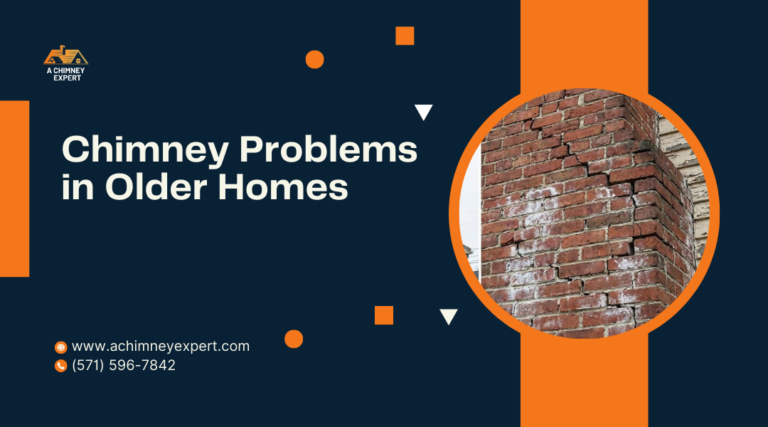
Cracked mortar joints, missing bricks, and spalling surfaces indicate long-term structural wear. When you see gaps or loose masonry around the chimney crown or firebox, it suggests water intrusion or freeze-thaw damage. Inspectors often interpret this as a sign the chimney has not been properly maintained.
Visible warning signs include:
- Efflorescence: White salt deposits that reveal trapped moisture.
- Cracked chimney crown: Allows water infiltration that weakens the masonry.
- Deteriorated flashing: Causes roof leaks around the base of the chimney.
These structural issues can lead to chimney leaks and water stains on adjacent walls or ceilings. Repairing damaged mortar joints and resealing the crown can reduce further deterioration and reassure potential buyers that the structure is stable.
Liner Failures, Clearance Problems, and Outdated Systems
A damaged or missing chimney liner can raise safety concerns about heat transfer and carbon monoxide exposure. The liner protects surrounding materials from combustion gases and high temperatures. Cracks in the flue liner or gaps in the tile joints may suggest unsafe venting conditions.
Older fireplaces or stoves with improper clearance to combustible materials also trigger inspection failures. You should ensure the system meets current code requirements, especially if it has undergone conversions or modifications.
Potential red flags:
- Creosote buildup inside the flue, indicating poor maintenance and a higher fire risk.
- Misaligned liners or offset sections that block exhaust flow.
- Absence of a chimney cap, which can accelerate deterioration from rain and debris.
Bringing the system up to code with an approved liner and professional cleaning helps reduce safety risks and inspection delays.
Moisture Intrusion, Odors, and Prior Fire Evidence
Moisture problems often develop from defective flashing, cracked crowns, or missing caps. When water enters the chimney, it causes mold and mildew growth, unpleasant odors, and staining around the hearth. Persistent chimney leaks can damage ceilings and framing, leading to costly repairs if left unchecked.
A damp chimney interior sometimes releases musty smells or smoky odors, especially after heavy rain. Inspectors may also notice soot accumulation or scorch marks inside the firebox—possible signs of a prior chimney fire.
Addressing water infiltration through proper sealing, installing a functional cap, and repairing flashing provides a clear paper trail that demonstrates maintenance. Clear documentation of professional sweep and inspection records can reassure buyers that your system is free from hidden fire hazards or long-term moisture damage.
How Chimney Problems Are Evaluated During a Sale
When selling a home in Sterling, VA, chimney problems are usually identified through a combination of general home inspections and specialized chimney evaluations. Inspectors look for safety hazards, code compliance issues, and structural concerns that might influence the property’s value or the buyer’s confidence. The results of these examinations determine whether repairs or documentation will be required before closing.
Role of General Home Inspections Versus Chimney Specialists
A standard home inspection typically includes a visible check of the chimney’s exterior and fireplace connection but stops short of an internal evaluation. Most licensed home inspectors note surface damage, missing caps, or deteriorating mortar but do not inspect the flue or smoke chamber in detail.
By contrast, a certified chimney inspector or sweep conducts a Level 2 chimney inspection when a property changes ownership. This type goes beyond surface observation and uses video scanning equipment to assess interior components, verify adequate clearances, and identify creosote buildup, blockages, or cracks in the liner. The results often carry more weight in real estate negotiations because they document hidden issues that standard home inspections miss.
When both reports are available, buyers and agents use them together to gauge potential costs and safety implications, ensuring the chimney meets the National Fire Protection Association (NFPA) guidelines.
How Findings Are Documented and Interpreted
After a Level 2 chimney inspection, you receive a formal report often accompanied by photos and a checklist of findings. The document identifies each component inspected—such as flue liner, crown, firebox, and smoke chamber—and categorizes conditions as safe, marginal, or unsafe.
| Condition Category | Typical Description | Recommended Action |
|---|---|---|
| Safe | No visible deterioration | Continue routine maintenance |
| Marginal | Minor wear or soot buildup | Monitor or clean |
| Unsafe | Cracks, blockages, or structural failure | Repair before sale |
You should review this report alongside your home inspection summary. If issues are flagged as unsafe, your lender or insurance provider may require repairs. Realtors often use this documentation to justify repair credits or negotiate terms. Maintaining accurate, dated records can reassure buyers that the system has been professionally evaluated.
How Long-Standing Local Inspectors Like A Chimney Expert Typically Assess Sale-Related Risks in Sterling Homes
Local experience plays an important role in chimney evaluations. Companies such as A Chimney Expert LLC, operating in Sterling and nearby areas, understand how regional factors—freeze-thaw cycles, common building materials, and older masonry construction—affect chimney integrity. Their inspectors often start with a visual roofline assessment before using camera scoping to evaluate concealed damage.
They also check compliance with Virginia building codes, ensuring clearances from combustible materials meet current safety requirements. After the inspection, they provide specific recommendations tied to the property’s age and heating system type. These include whether repairs can wait, must be completed before sale, or could impact insurance eligibility.
By working with a qualified local chimney sweep, you gain a clearer picture of sale-related risks and can plan cost-effective solutions that protect both your investment and buyer confidence.
How Chimney Findings Influence Buyer Decisions
The condition of your chimney can shape how buyers view your home’s safety, maintenance history, and overall value. Inspection results often determine whether buyers proceed confidently, request concessions, or walk away entirely.
Repair Requests, Credits, and Renegotiation Scenarios
When an inspection uncovers chimney repair needs—such as cracked liners, deteriorating mortar, or water intrusion—buyers frequently use that information to negotiate. You may face requests for repair, seller-paid credits, or a price adjustment to offset potential costs. Buyers typically obtain estimates from chimney professionals to quantify the expense and present it during contract discussions.

If repairs are under a few hundred dollars, completing them before closing may maintain buyer confidence. However, when issues involve structural damage or liner replacement, buyers often prefer a credit so they can hire their own certified contractor. In these cases, providing thorough documentation of professional assessments helps you justify your response and avoid disputes.
Minor repairs handled quickly can keep negotiations stable. Delays, unverified repair invoices, or uncertain costs can extend the negotiation process and create skepticism about the home’s condition.
When Issues Affect Financing, Insurance, or Closing Timelines
Chimney defects can sometimes trigger financing or insurance complications. Lenders and insurers rely on safety compliance to finalize their approvals, and a failed Level II inspection may slow underwriting. For example, structural cracks, missing liners, or ventilation hazards might lead underwriters to suspend the file until documentation of completed repairs is received.
In Sterling, VA, homes with older masonry chimneys or wood-burning appliances often undergo extra scrutiny. If your chimney shows flue separation or carbon monoxide risks, insurers may condition coverage on repair proof or an updated inspection report.
These requirements extend closing timelines when contractors have limited availability or weather delays repairs. Planning the inspection early in the listing process can prevent last-minute setbacks and provide verifiable evidence of completed work for your real estate transactions.
Distinguishing Cosmetic Concerns From Safety-Related Defects
Not all chimney findings carry equal weight. Cosmetic issues—like soot stains, chipped bricks, or worn paint—rarely affect buyer decisions, as they are inexpensive to fix. Safety-related defects, however, can significantly lower buyer confidence and threaten the deal if left unresolved.
Common high-impact findings include:
| Issue Type | Risk Level | Typical Buyer Concern |
|---|---|---|
| Cracked flue liner | High | Fire or gas leak hazard |
| Blocked flue or cap damage | Moderate | Smoke backup and inefficiency |
| Missing chimney crown | High | Water intrusion and structural deterioration |
You should prioritize addressing hazards verified by certified inspectors, including proper clearances to combustibles and sound venting. Cosmetic touch-ups help presentation, but correcting safety defects provides tangible assurance to buyers and helps sustain the home’s market value.
Why Quick Fixes Often Fail in Real Estate Transactions
Rushed chimney repairs can create the appearance of readiness for sale but often mask deeper structural or safety issues. Addressing cosmetic concerns without understanding their root cause may lead to inspection failures, contract delays, or liability after closing.
Surface Repairs That Do Not Address Underlying Causes
When you patch cracks in chimney masonry or replace a missing cap without checking for internal deterioration, you risk covering up symptoms instead of fixing the source. Water intrusion, damaged flue liners, or deteriorated mortar joints often remain beneath these quick fixes.
Inspectors can easily detect mismatched materials or incomplete work. Once identified, these oversights can signal to buyers that maintenance has been neglected. That doubt can slow negotiations or result in lower offers.
Common short-term fixes that often backfire include:
- Applying waterproof coatings over damaged masonry
- Replacing exterior flashing without verifying chimney crown integrity
- Sealing cracks without assessing interior flue damage
A credible chimney professional will focus on structural issues and safety compliance rather than appearance alone, which helps maintain buyer trust and meet inspection standards.
Cleaning Without Inspection Limitations
Basic chimney cleaning improves presentation but does not guarantee safety or functionality. A sweep may remove soot and creosote buildup, yet without a camera inspection or interior evaluation, hidden cracks, blockages, or fire hazards can remain.
The National Fire Protection Association (NFPA) recommends a Level 2 inspection for property transfers to confirm that the flue, smoke chamber, and venting system are in good condition. If you rely only on cleaning, you may pass visual checks but fail due diligence once buyers request a full report.
Cleaning alone cannot detect shifting liners, moisture infiltration, or structural separation between chimney sections. These unseen issues can later cause draft problems or carbon monoxide leaks, which may surface during appraisals or insurance reviews.
Disclosure Risks When Issues Are Partially Addressed
If you repair or clean the chimney without professional documentation, you may face questions about disclosure. Real estate regulations in Virginia require sellers to report known defects that could affect safety or value. Partial or unverified fixes leave you exposed to future claims if defects reemerge.
When an inspection report reveals inconsistencies between disclosed and actual conditions, buyers may demand concessions or withdraw their offer. Maintaining written proof of repairs and inspections is essential for credibility.
Failure to fully resolve or disclose chimney-related hazards—like deteriorated liners or recurring leaks—can shift liability back to you even after closing. To protect yourself, ensure all work is properly evaluated, completed by a certified technician, and supported by reports or receipts.
Common Seller Questions and Edge Situations
Chimney conditions often determine whether a sale proceeds smoothly or stalls in negotiation. Local buyers expect clear documentation of system safety, especially in Sterling, VA where seasonal chimney use is common and inspection standards tend to be high.
Should Chimney Inspections Happen Before Listing?
Scheduling a chimney inspection before selling helps you uncover and address safety or performance issues before buyers request them. In Virginia, many home inspectors review chimney structures only at a surface level, leaving detailed findings to certified chimney professionals. Having a Level 2 inspection report ready shows transparency and strengthens buyer confidence.
If inspectors find cracks, moisture damage, or creosote buildup, you have time to complete repairs or obtain estimates. This preparation prevents last-minute negotiation over unknown costs. Sellers who can provide documented proof of compliance with safety standards often avoid inspection-related delays during escrow.
You can also use the inspection results to adjust your listing price or marketing language accurately. A verified clean report signals good maintenance and appeals to buyers looking for safe, move-in-ready homes.
Do Unused Fireplaces Still Impact Negotiations?
Even if your fireplace hasn’t been used for years, it still affects your home sale. Buyers generally assume the chimney is functional or expect written disclosure if it is not. Any uncertainty about usability may lead to inspection contingencies or lower offers.
Unused chimneys can develop hidden deterioration, such as mortar decay, flue damage, or nesting obstructions. These risks rarely appear without professional evaluation. Providing an inspection report clarifies whether the chimney needs repair or should be capped and declared inactive.
Some sellers choose to decommission the system formally and document it in their disclosure forms. Others prefer to restore operational status for market appeal. Either choice is acceptable as long as it is verified and clear, so potential buyers can weigh safety and cost accurately.
Seasonal Timing and Cold-Weather Inspection Constraints
Cold weather in Sterling, VA can limit access for thorough chimney work. Ice, snow, or strong winds may prevent roof evaluations or cause scheduling backlogs with local chimney services. Planning inspections in late summer or early fall avoids these constraints and ensures that all repairs can be completed before temperatures drop.
During winter, inspectors often face difficulties performing video flue scans due to condensation or frozen materials. These limitations can delay the delivery of inspection reports and push back closing dates. By acting early, you reduce the chance of seasonal slowdowns influencing buyer decisions or extending escrow timelines.
Keep in mind that heating season also increases chimney use, revealing smoke leaks or draft problems. Addressing these issues well before listing creates a safer, more reliable inspection outcome when your property reaches the market.
Conclusion: Interpreting Chimney Issues Before Moving Forward
Addressing chimney issues before listing your home helps prevent complications during inspection and negotiation. Understanding how to assess the urgency, disclose information accurately, and decide on next steps supports a smooth and transparent sale.
Weighing Repair, Disclosure, or Further Evaluation Options
You need to decide whether to repair the chimney, disclose the issue as-is, or seek additional evaluation. Each choice affects the sale timeline and buyer confidence differently.
Consider a small problem, like minor flashing leaks or creosote buildup. You can typically resolve these quickly with affordable maintenance. Structural damage, leaning chimneys, or serious cracks often require a certified chimney specialist. Document the inspection and repairs completed, as buyers often ask for proof of recent work.
If you choose not to repair, full disclosure protects you from future disputes. In Sterling, VA, sellers must disclose known defects that could affect safety or value. Include a written summary of inspection results or estimates to show transparency.
Use the following checklist before making your choice:
- ✅ Determine the severity and cost of repairs
- ✅ Consult a certified chimney sweep or mason
- ✅ Weigh repair costs against potential buyer negotiation points
- ✅ Maintain complete documentation for buyer review
Understanding Next Steps Without Delaying the Sale
Once you identify the chimney’s condition, set a clear plan for moving forward without stalling your listing. Schedule evaluations early—ideally before the home hits the market—to avoid last-minute issues during buyer inspections.
If repairs are underway, communicate timelines and completion details to your agent. They can adjust your listing strategy and pricing based on confirmed repair progress. Accurate updates prevent misunderstandings and build buyer trust.
When the chimney passes inspection or repairs wrap up, keep all receipts and inspection summaries. Organize them for easy inclusion in your disclosure documents or negotiation materials. Clear information and proactive management help sustain buyer interest and protect your selling timeline.