When your chimney starts to fail, the signs often appear long before a major problem develops. Cracks in the flue, loose bricks, water leaks, or a missing cap may look minor, but each one can compromise safety and efficiency. By learning how to spot these common chimney component failures early, you can prevent costly repairs and reduce potential fire or smoke hazards in your home.
You rely on your chimney to safely vent smoke and gases, but over time, exposure to heat, moisture, and debris takes its toll. Creosote buildup, damaged mortar, and rusted parts are some of the most frequent issues that weaken a chimney system. Knowing what to look for allows you to act quickly before damage spreads.
At A Chimney Expert LLC in Oak Grove, Virginia, decades of experience have shown that routine maintenance and timely inspections make all the difference. This guide will walk you through why maintenance matters, which components fail most often, how to recognize warning signs, and when to call in a professional for lasting solutions.
Why Chimney Maintenance Matters
Regular chimney upkeep protects your home from fire hazards, structural damage, and costly repairs. Even small defects in masonry, flue linings, or crowns can worsen quickly if left untreated, making early attention both safer and more economical.
The Risks of Ignoring Chimney Issues
When you skip inspections or cleaning, creosote buildup becomes a serious concern. This tar-like substance is highly flammable and is one of the leading causes of chimney fires. Even a thin layer can ignite under the right conditions.
Obstructions such as bird nests, leaves, or crumbling mortar can block airflow. This prevents smoke and gases from venting properly. As a result, carbon monoxide may enter your living space. Because it is odorless and invisible, you may not notice the danger until it becomes severe.
Moisture intrusion is another overlooked risk. Cracked crowns or deteriorating mortar allow water to seep into the structure. Over time, this weakens brickwork, causes rust on metal components, and can lead to interior leaks.
Neglecting these issues not only compromises safety but also reduces the efficiency of your fireplace or stove. Poor draft, smoky rooms, and uneven heating are common symptoms of a chimney that has not been maintained.
How Small Failures Lead to Bigger Problems
Minor cracks in a flue lining may seem harmless, but they expose surrounding materials to extreme heat. This increases the chance of a house fire. A professional inspection can detect these early signs before they escalate.
Masonry deterioration often begins with small gaps in mortar joints. Without repair, water enters and freezes during cold weather, expanding the damage. Over several seasons, this can cause leaning walls or partial collapse.
A damaged chimney crown may start with hairline cracks. If you delay repairs, those cracks widen and allow more water inside. Eventually, you may face the cost of a full rebuild rather than a simple patch.
Even routine wear, like a missing cap, can create larger issues. Without a cap, debris and animals enter freely, leading to blockages and faster creosote accumulation. Addressing these smaller maintenance tasks early prevents expensive and unsafe outcomes.
Common Chimney Component Failures
Chimney systems rely on several parts working together to vent smoke, protect your home from water, and ensure safe operation. When any of these components fail, you may face water leaks, poor drafting, smoke inside your home, or even fire hazards.
Chimney Crown Cracks and Deterioration
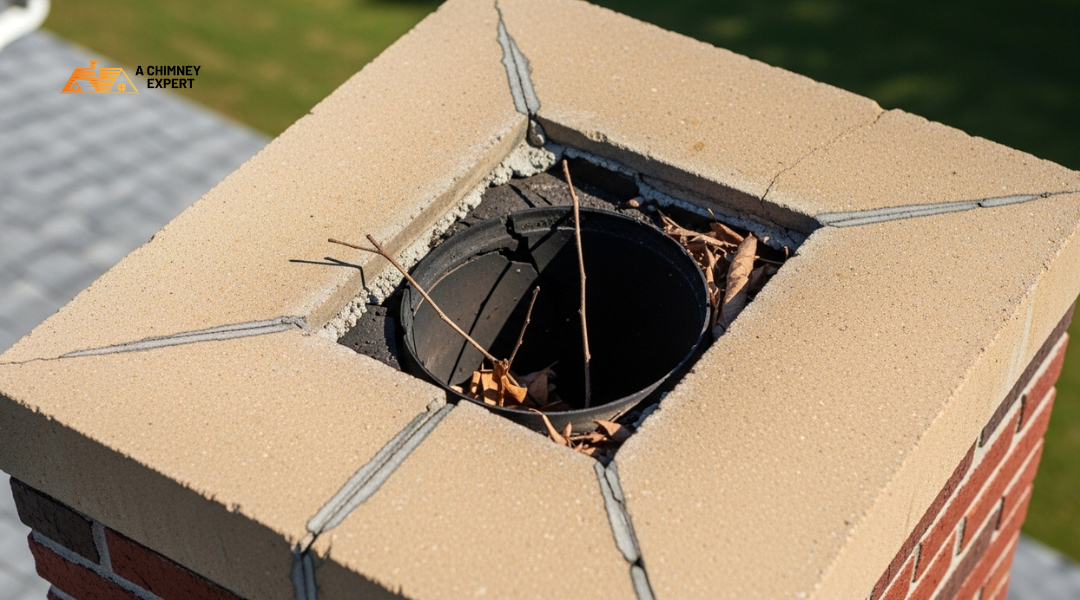
The chimney crown is the cement surface at the very top of the chimney that seals the masonry below from rain and snow. When cracks develop, water can seep down into the brickwork and mortar. This leads to freeze–thaw damage during cold weather.
You may notice small hairline fractures at first, but larger cracks or crumbling edges indicate more serious deterioration. A failing crown can allow significant moisture intrusion, which accelerates brick spalling and joint erosion.
Routine inspection from above is the only way to spot early damage. If you see standing water on the crown, missing chunks of cement, or widening cracks, repairs are needed. Applying a waterproof sealant or rebuilding the crown are common solutions.
Damaged or Missing Chimney Caps
A chimney cap is a metal cover with mesh sides that sits over the flue opening. It prevents rain, snow, and debris from entering while keeping animals out. Without a cap, water can flow directly into the flue and firebox, causing rust, odors, and masonry damage.
If the cap is bent, rusted through, or missing entirely, you may notice increased moisture in the fireplace or bird nests inside the flue. Rust streaks down the chimney exterior can also point to cap failure.
Replacement caps are relatively inexpensive and provide long-term protection. Stainless steel or copper models resist corrosion better than galvanized metal. Installing or repairing a cap is one of the simplest ways to prevent costly chimney problems.
Flue Liner Cracks and Blockages
The flue liner protects the chimney walls from heat and directs smoke safely out of your home. Clay tile, concrete, and stainless steel are the most common liner materials. Cracks in a liner can allow heat or carbon monoxide to escape into surrounding walls.
You may spot pieces of clay tile in the firebox, visible cracks at the flue entrance, or heavy soot buildup. These are signs the liner is compromised. In severe cases, smoke may leak into rooms instead of venting outside.
Blockages are another concern. Birds, squirrels, or fallen debris can obstruct the passage. A blocked liner reduces draft, causes smoke backup, and increases the risk of carbon monoxide exposure. Professional video inspection is the most reliable way to detect hidden damage or obstructions.
Masonry and Mortar Joint Damage
Brick and mortar make up the bulk of most chimney structures. Over time, weather exposure and moisture cycles cause the mortar joints to weaken and crumble. When mortar falls out, bricks loosen and water penetrates deeper into the structure.
You may notice gaps between bricks, crumbling mortar, or white staining (efflorescence) from water movement. Loose bricks or visible spalling, where the brick face flakes off, are further warnings.
Repairs often involve tuckpointing, where fresh mortar is applied to stabilize the structure. In advanced cases, brick replacement may be necessary. Addressing masonry issues early helps preserve the chimney’s structural integrity and prevents partial collapse.
Failing Chimney Flashing Around the Roofline
Flashing is the sheet metal installed where the chimney meets the roof. Its job is to direct water away from the joint and prevent leaks. If flashing pulls loose, corrodes, or cracks, water can seep into the attic and interior walls.
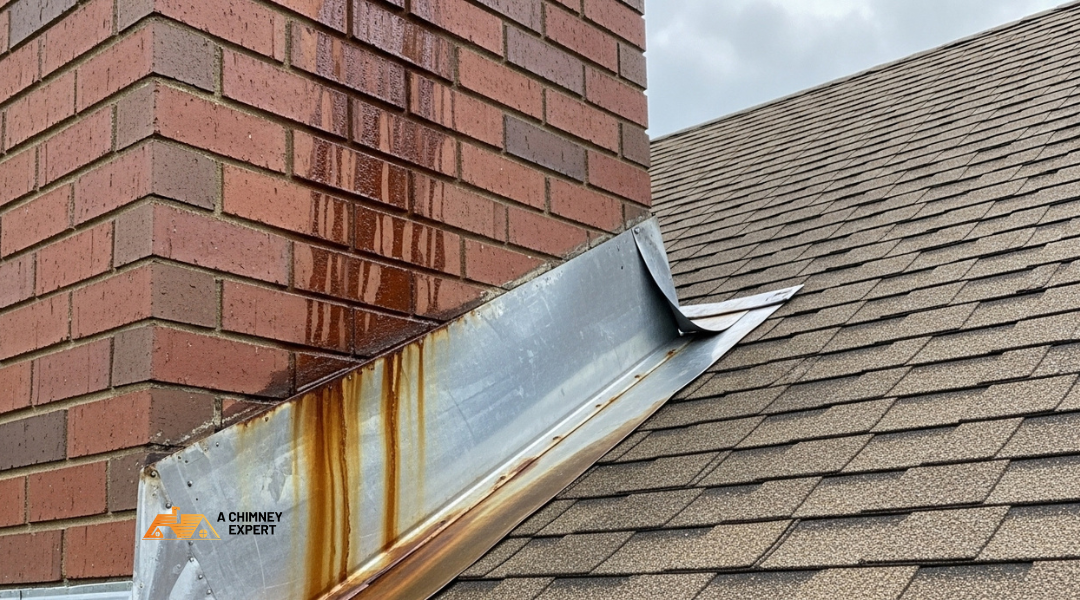
Signs of flashing failure include water stains on ceilings near the chimney, rust streaks on the masonry, or mold odors in the attic. Even small gaps can allow steady water intrusion.
Inspection from the roof can confirm if flashing is lifting or separating from the chimney. Repairs may involve resealing with roofing cement, replacing damaged sections, or installing new step and counter flashing for a watertight fit.
Damper Malfunctions (Sticking or Broken)
The damper sits just above the firebox and controls airflow. When open, it allows smoke to exit. When closed, it prevents drafts and heat loss. A broken or stuck damper can cause smoke to fill the room or lead to higher energy bills.
Common issues include rust, warping, or a damper plate that no longer seals tightly. You may notice difficulty opening or closing it, or a persistent draft even when it appears shut.
In some cases, the damper can be repaired or reset on its track. If corrosion or breakage is severe, replacement with a new throat damper or top-sealing damper may be necessary. Modern top-sealing dampers also improve energy efficiency by sealing at the flue top.
Firebox Wear and Tear
The firebox is the chamber where the fire burns. It is lined with firebrick and refractory mortar to withstand high heat. Over time, repeated heating and cooling cycles cause cracks in the mortar joints or deterioration of the firebrick itself.
You may see gaps between bricks, crumbling mortar, or loose firebrick. These defects allow excessive heat to reach the surrounding structure, creating a fire hazard. Blackened or uneven surfaces are also signs of wear.
Repairs often involve replacing damaged firebrick or applying refractory mortar to restore a solid, heat-resistant surface. Keeping the firebox in good condition ensures safe operation and extends the lifespan of your fireplace system.
How to Spot Warning Signs Early
Chimney problems often start small but can quickly affect safety, efficiency, and repair costs if ignored. Paying attention to structural changes, moisture damage, airflow issues, unusual sounds, and damper performance helps you detect trouble before it becomes severe.
Visible Exterior Cracks or Loose Bricks
Check your chimney’s exterior regularly for cracks in the mortar or bricks that appear loose. Even small gaps allow water to enter, which can freeze, expand, and worsen the damage. Over time, this weakens the structure and may cause leaning or collapse.
Look for spalling bricks, where pieces of the surface flake off. These fragments often collect on the roof or ground near the chimney. Spalling indicates water penetration and requires immediate repair to prevent further deterioration.
Use binoculars from the ground if your chimney is tall or difficult to access safely. Note any uneven brick patterns, missing mortar, or signs that the chimney is pulling away from the house. These are early indicators that professional inspection is needed.
Water Leaks, Stains, or Musty Odors Indoors
Moisture intrusion is one of the most common chimney failures. Water often enters through cracked crowns, damaged flashing, or porous masonry. Once inside, it can leave stains on walls or ceilings near the fireplace.
You may notice peeling paint, warped wood, or discolored drywall around the chimney area. These are signs that water has been leaking for some time. Musty odors are another clue, especially after rain, since trapped moisture encourages mold growth.
Check the firebox and damper for rust. Rust indicates water infiltration and can compromise both airflow and safety. If you smell mildew or see damp patches indoors, schedule an inspection to find and seal the source of the leak.
Smoke Backdrafts or Poor Draft Performance
A chimney should carry smoke and gases safely out of your home. If smoke drifts back into the room, the draft is not working properly. This may be caused by blockages such as creosote buildup, bird nests, or collapsed flue tiles.
Poor draft performance can also result from a damaged or missing chimney cap. Without a cap, debris and rain enter freely, reducing airflow. You may also notice it takes longer for fires to start or that flames burn unevenly.
Excessive smoke indoors is a safety hazard because it increases the risk of carbon monoxide exposure. If you see smoke lingering in the room or feel a strong odor of soot, have the flue inspected and cleaned promptly.
Unusual Noises, Odors, or Animal Nesting Signs
Strange sounds from the chimney often point to animal activity. Birds, squirrels, and raccoons frequently enter chimneys without a secure cap. You might hear scratching, chirping, or rustling, especially during nesting season.
Animal nests block airflow and can ignite if sparks reach them. Droppings and debris also create odors that spread into your living space. A strong, foul smell may also come from decaying organic material trapped inside the flue.
Other unusual odors, such as a sharp creosote smell, signal heavy buildup inside the chimney. This buildup is flammable and should be removed by a professional sweep. If you notice persistent odors or noises, address them quickly to restore safe operation.
Rising Energy Bills Linked to Damper Issues
The damper controls airflow between the fireplace and the chimney. If it doesn’t close tightly, warm air escapes in winter and cool air leaks out in summer. This drives up your energy bills and makes your HVAC system work harder.
Rust, warping, or debris buildup can prevent the damper from sealing properly. You may feel cold drafts coming from the fireplace, even when it’s not in use. A faulty damper also makes it harder to light and maintain a fire.
Inspect the damper by opening and closing it fully. It should move smoothly and sit flush when closed. If it feels stiff, gaps are visible, or you notice rising energy costs, a repair or replacement is likely necessary.
Professional vs. DIY Inspections
Some chimney issues can be noticed during routine upkeep, while others require specialized training and tools to identify. Knowing what you can safely check yourself and when to rely on a certified professional helps prevent overlooked hazards and unnecessary damage.
What Homeowners Can Safely Check
You can perform a few simple checks without specialized tools. From the ground, look for obvious cracks in the chimney crown, missing or damaged bricks, and signs of leaning. Use binoculars if needed to avoid climbing the roof.
Inside your home, inspect the firebox for loose mortar or crumbling bricks. Shine a flashlight up the flue to see if there is visible soot buildup or blockages like leaves or nests. Avoid reaching into the flue, as creosote can be hazardous.
You should also check that the damper opens and closes fully and that smoke flows properly into the flue during use. If you notice smoke backing into the room, this signals a potential obstruction or draft problem that requires professional attention.
A simple checklist for safe homeowner observation:
- Exterior: cracks, leaning, missing mortar
- Interior: damper function, visible soot, blockages
- Performance: smoke flow, unusual odors
When to Call a Certified Chimney Sweep
Certain problems are not visible to the untrained eye. Hidden cracks in the flue liner, leaks around the flashing, or internal creosote buildup often go unnoticed without professional tools. These issues can create fire hazards or allow carbon monoxide to enter your home.
A certified chimney sweep uses inspection cameras, high-powered vacuums, and specialized brushes to evaluate and clean the system. They also follow industry safety standards, reducing the risk of damage to your chimney or home during the process.
You should schedule a professional inspection if you burn wood regularly, notice strong odors, see water stains near the chimney, or experience draft problems. Annual inspections are recommended by national fire safety organizations, even if you do not use your fireplace often.
Importance of CSIA-Certified Expertise
Not every chimney service provider has the same qualifications. The Chimney Safety Institute of America (CSIA) sets recognized standards for training and certification. Hiring a CSIA-certified sweep ensures the technician has been tested on building codes, safety practices, and proper inspection methods.
A CSIA-certified expert can identify structural damage, improper installations, and early signs of deterioration that may not be obvious. They also provide written reports, which are useful for insurance claims or when selling your home.
When comparing companies, ask for proof of certification and check their standing with the CSIA. This helps you avoid scams or unqualified contractors who may offer low prices but fail to deliver thorough, safe service.
By relying on certified expertise, you gain confidence that your chimney is inspected and maintained according to nationally recognized standards.
How A Chimney Expert LLC Addresses These Issues
You can reduce chimney hazards by combining careful inspections, targeted repairs, and localized knowledge of building conditions. Professional attention ensures that structural weaknesses, blockages, and wear are handled before they create safety or performance problems.
Thorough Multi-Point Inspections
A detailed inspection helps you identify problems early. Chimney Expert LLC uses a multi-point process that checks the flue, masonry, flashing, crown, and cap for visible and hidden damage. This approach ensures that both structural and safety concerns are addressed at the same time.
During the inspection, technicians look for creosote buildup, cracks, water intrusion, and obstructions. Tools such as cameras and strong lighting allow them to see inside areas that you cannot safely access yourself.
You receive clear explanations of findings, often supported with photos or video. This makes it easier to understand which issues require immediate attention and which can be monitored over time.
Repair and Relining Services for Long-Term Safety
When damage is found, repair work focuses on restoring both safety and durability. Common services include repointing mortar joints, sealing leaks, replacing damaged chimney caps, and repairing crowns that have deteriorated.
If your flue lining is cracked or missing sections, relining is often recommended. A new liner improves draft efficiency, reduces fire risk, and protects nearby masonry from heat and corrosive gases. Options may include stainless steel liners or specialized resurfacing systems, depending on your chimney’s design.
Repairs are carried out with materials designed to handle high heat and outdoor conditions. This ensures that once completed, the work holds up under regular use and seasonal weather changes.
Local Expertise in Oak Grove and Surrounding Areas
Chimney Expert LLC understands the specific needs of homes in Oak Grove, Virginia, and nearby communities. Local weather patterns, such as high humidity and seasonal storms, often accelerate masonry wear and water damage. Addressing these conditions requires solutions tailored to the region.
You benefit from technicians who are familiar with common construction styles in the area. They know how to work with older chimneys as well as modern systems, ensuring that repairs match your home’s structure.
By choosing a local service, you also gain faster response times and ongoing support. This makes it easier to schedule routine maintenance and handle urgent issues without long delays.