Understanding what chimney services cost in Sterling, VA helps you plan repairs and maintenance without surprises. In 2026, most homeowners in the area spend between $300 and $2,500 for standard chimney repair or cleaning, with complex structural work reaching $10,000 or more. Prices vary based on materials, chimney height, access difficulty, and local labor rates, so knowing how these elements interact gives you control over your budget.
You face very different costs depending on whether your project involves a quick inspection, a flashing replacement, or full masonry restoration. Local climate and building age also affect how often service is needed, making Sterling’s conditions especially important to consider.
As you explore what drives these expenses, you’ll see how service type, material choice, and technician experience shape pricing. You’ll also learn what distinguishes routine maintenance from major rebuilds and how working with an established company like A Chimney Expert ensures both transparency and long-term value.
When Chimney Costs Vary Across Property And Usage
Chimney costs in Sterling, VA often shift depending on the system’s construction age, how often it is used, and the structural layout. You may see wide price gaps between basic annual maintenance and full rebuilds due to differences in materials, accessibility, and usage intensity.
Older Masonry Systems Versus Newer Prefabricated Units
Older brick or stone chimneys tend to cost more to maintain or repair because they often need tuckpointing, crown restoration, or liner replacement. Mortar deterioration, uneven flue shapes, and limited access all add labor time. In contrast, newer prefabricated metal units usually rely on modular parts that can be swapped or repaired faster, lowering labor costs.
A routine inspection for older masonry can reveal hidden issues such as cracked flue tiles or spalling bricks, which may push a simple service above $1,000. Prefabricated systems, when properly installed, often need only cleaning and minor sealing, averaging $200–$400 per visit. However, once a metal chase cover or liner corrodes, replacement parts can still reach several thousand dollars.
When you budget, factor in this difference: masonry structures usually have higher long-term upkeep but longer lifespans, while prefabricated systems balance lower maintenance with shorter usable lifetimes.
High-Use Fireplaces Versus Occasional Seasonal Use
If you use your fireplace daily during winter, soot and creosote build up faster, increasing both maintenance frequency and cost. High-use chimneys may require two cleanings per year, inspections for damper wear, and periodic liner checks. This brings annual servicing totals closer to $300–$600 depending on fuel type and chimney height.
For homes using fireplaces only a few times each season, scheduling one inspection and cleaning, around $150–$300, may suffice. Yet even low-use chimneys need annual checks to prevent drafts, water infiltration, or animal nesting. Frequent use adds not just soot accumulation but thermal stress, which can crack tiles and compromise mortar joints.
Energy efficiency upgrades like insulated liners or cap replacements may reduce upkeep costs for heavy users by improving draft and reducing moisture intrusion.
Multi-Flue Or Complex Chimney Configurations
Homes with multiple fireplaces or flues often face higher service charges because each flue requires separate cleaning and inspection. Multi-flue chimneys are taller and more intricate, increasing the time for setup and safety staging. Labor can double when technicians must service both wood-burning and gas flues within the same stack.
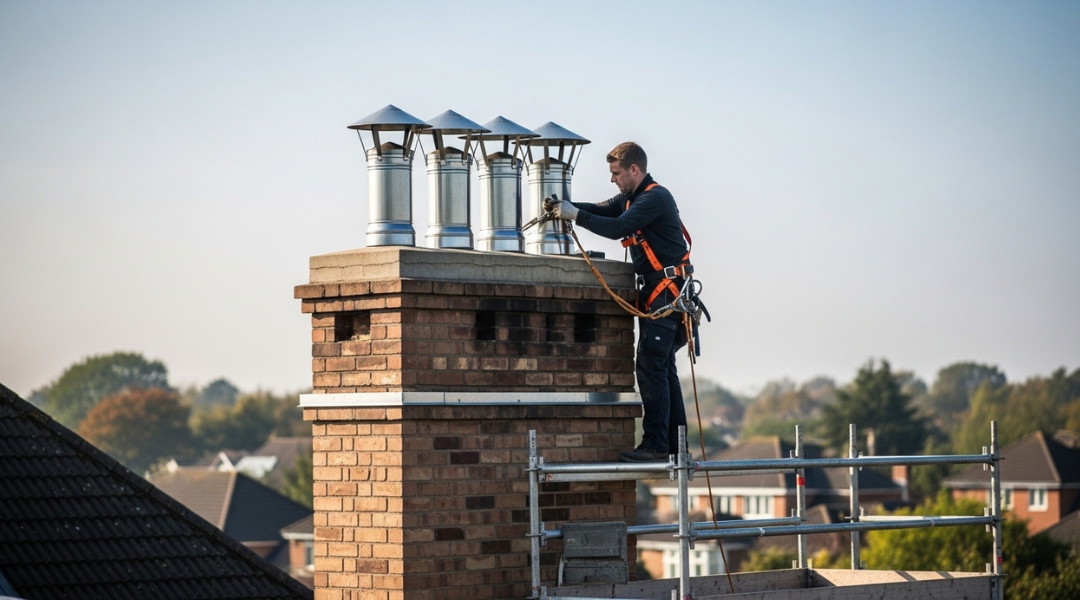
A simple single-flue cleaning might take two hours, while a triple-flue stack can take up to six, adding $250–$800 in additional cost. Complex designs with bends, offsets, or limited roof access may add safety equipment fees or scaffolding costs.
Contractors sometimes price multi-flue projects by the number of vents or stories. If your home includes multiple heating appliances venting through one structure, inspect each annually to ensure the liners and dampers operate safely and independently.
How Pricing Is Structured Across Service Types
Chimney service costs in Sterling, VA, vary based on the type and complexity of the work. You pay different rates for cleaning, inspection, repairs, relining, and rebuilds because each service requires distinct tools, expertise, and materials that directly affect labor hours and safety requirements.
Cleaning, Inspection, And Repair Cost Separation
Routine chimney cleaning usually falls at the lower end of pricing, often between $150 and $400, depending on the fireplace type, buildup level, and accessibility. Cleaning focuses on soot and creosote removal, which helps prevent blockages and fire risks.
A chimney inspection adds to the cost, particularly if a video or Level 2 inspection is required for property sales or recent system modifications. Inspections typically range from $100 to $600, influenced by inspection depth and reporting detail.
Chimney repair services cost more due to specialized materials and time. Small mortar work or cap replacement might cost a few hundred dollars, while structural repairs or partial rebuilds can climb into the thousands. The price difference reflects increased safety equipment, scaffolding, and diagnostic work before the repair begins.
| Service Type | Typical Cost Range (Sterling, VA) | Includes |
|---|---|---|
| Cleaning | $150–$400 | Soot removal, basic flue maintenance |
| Inspection | $100–$600 | Level 1–3 inspections, camera scans |
| Repair | $250–$3,000+ | Masonry fixes, cap replacement, partial rebuilds |
Relining Costs Driven By Material And Insulation Requirements
Chimney relining pricing depends heavily on the liner material, insulation type, and flue dimensions. Homes with older or damaged flues typically require relining to meet modern safety standards and maintain airflow efficiency.
You can expect $1,500 to $5,000 for stainless steel liners, depending on height and connection complexity. Clay tile relining is less costly per foot but more labor-intensive during removal, while cast-in-place liners add better insulation and durability but carry higher installation costs.
Some jobs require insulating wraps or cast materials to meet code or improve draft performance, which increases both material and labor costs. For multi-flue systems or tall chimneys, equipment rental and scaffolding can add several hundred dollars to your total.
Labor, Access Difficulty, And Time-Based Pricing Factors
Labor contributes significantly to chimney cleaning and fireplace repair costs. Contractors often use either flat-rate or hourly pricing models. Simple cleanings with predictable conditions suit flat-rate pricing, while complex or unpredictable jobs—such as removing blockages or addressing unsafe masonry—often shift to hourly rates around $75–$150 per hour.
Access difficulty also affects the total. Steep roofs, multi-story structures, or limited outdoor space can require safety harnesses, lifts, or extended setup time. These overhead costs are built into most estimates rather than itemized separately.
Weather conditions, time of year, and emergency scheduling may also influence your final bill. Off-season work sometimes receives minor discounts, but after-hours or urgent repairs typically carry premium labor rates due to crew availability and additional safety oversight.
Local Cost Drivers Specific To Sterling VA Conditions
Service pricing in Sterling reflects factors such as regional labor standards, the mix of older and newer homes, and the timing of service demand. Local building regulations and weather patterns shape both the frequency and the type of chimney maintenance that homeowners schedule.
Labor Rates And Regulatory Expectations In Northern Virginia
Sterling sits within the Washington D.C. metropolitan area, where labor costs run higher than the national average. Licensed chimney professionals often charge $150–$250 per visit depending on inspection type and cleaning depth. The cost reflects state licensing, insurance, and safety certification requirements specific to Virginia’s building trades.
You must also account for local permit compliance. Fairfax and Loudoun counties may require inspection documentation for major chimney repairs or liner replacements. That adds administrative labor and time to each project.
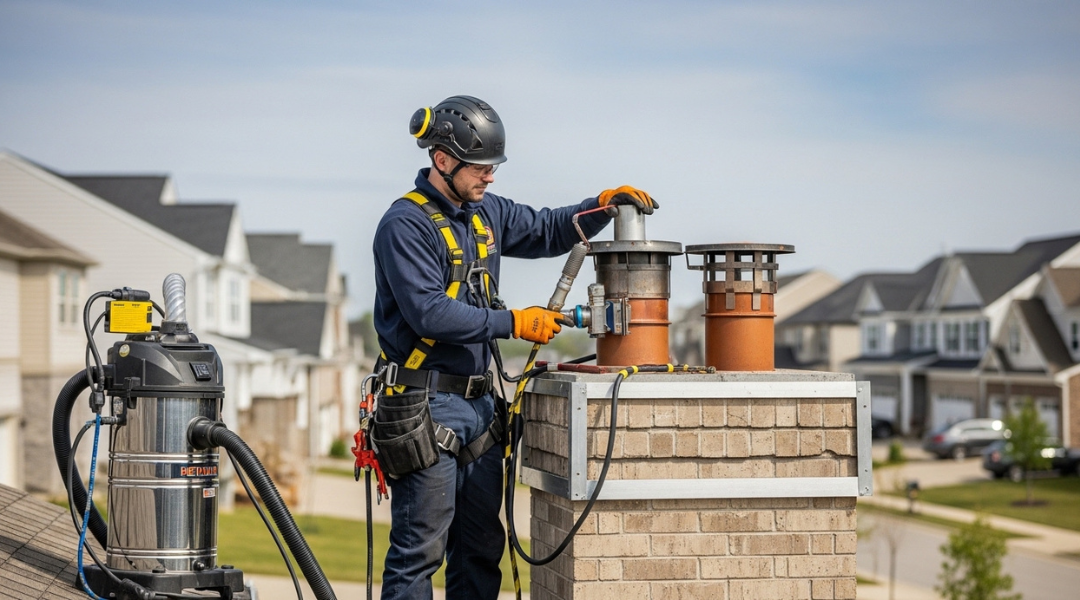
Strict EPA and fire code standards influence technician training and equipment. Crews often use sealed vacuums and HEPA filtration systems to meet emission control expectations, which increases operational costs but improves service quality. The regulatory environment means you pay slightly more but benefit from stronger workmanship oversight.
Impact Of Older Housing Stock On Repair Complexity
Many homes around Sterling and nearby communities such as Oak Grove and Potomac Falls date back to the 1970s or earlier. Older masonry chimneys often suffer from cracked mortar, worn flue liners, and water infiltration. These conditions make cleaning and repairs more labor-intensive.
You can expect higher material costs for custom-fit liners or firebox rebuilds. Availability of matching brick or tile components affects both pricing and repair time. Technicians must sometimes reinforce aging chimney structures to meet today’s venting and energy standards, adding more steps to a project.
Modern inserts and stainless-steel liners help you reduce long-term maintenance, but installing them in older chimneys usually requires additional inspection and retrofit work. The age of your home directly influences bid variability among service providers.
Seasonal Demand Fluctuations And Scheduling Constraints
Late fall and early winter bring the heaviest service demand in Sterling as homeowners prepare for heating season. From October through December, appointment slots fill quickly, and emergency cleaning or repairs often carry rush fees of 10–20%.
During summer, chimney businesses run fewer service calls and may offer discounts. However, humidity and rainfall can slow exterior mortar work or waterproofing. Planning your cleaning or inspection between May and August helps secure better pricing and faster scheduling.
Service companies must also adapt to Northern Virginia’s unpredictable weather. Snow accumulation and freezing rain can delay roof access on multi-story homes. This uncertainty affects project timelines more than base service rates but still influences the total time and labor you pay for.
Interpreting Low Versus High Cost Estimates
Price differences for chimney projects in Sterling depend on how completely the estimate covers scope, the quality of materials used, and the durability represented by warranty terms. Evaluating each factor helps you recognize when a low price reflects genuine efficiency versus when it signals reduced workmanship or short-term fixes.
Scope Gaps In Lower Estimates And Deferred Work Risk
Low bids often exclude key tasks that surface later as “extra.” A contractor might quote only for exterior brick repointing but leave out flue repairs, cap replacement, or interior masonry sealing. When those items appear mid-project, your final cost increases.
Ask for a detailed line-item proposal. Well-documented estimates list demolition, liner work, scaffolding, flashing repair, and permit fees. If any of these are missing, you’re likely seeing scope compression that lowers the upfront price but raises deferred maintenance risks.
Unaddressed cracks, joints, or moisture barriers lead to faster deterioration. The savings from a reduced scope can vanish if water intrusion forces partial reconstruction within a few years. For a durable outcome, it’s usually better to pay for the complete restoration or replacement once than to repeat partial fixes.
Material Quality Differences In Relining And Repairs
The type of liner or masonry material largely determines long-term performance and maintenance frequency. Stainless steel and clay liners differ widely in cost and service life. Stainless setups can exceed $2,000–$3,000 in parts alone but perform better against acidic flue gases from gas inserts or modern appliances.
In contrast, thin aluminum or unlined repairs may cost significantly less upfront but deteriorate faster under heat cycling. For brick repairs, mortar quality and frost-resistant brick grades affect durability. Using low-grade mix or mismatched brick can cause cracks and color variation, requiring another rebuild.
When comparing quotes, verify brand, grade, and fire rating of all materials. Reliable contractors often specify the ASTM or UL standards for liners and sealants. That specificity indicates a professional standard, not a corner-cutting approach designed to underbid competitors.
Warranty Length As A Signal Of Long-Term Cost Stability
Warranty coverage reveals how confident a contractor is in their workmanship and materials. Chimney companies in Northern Virginia commonly offer labor warranties between 1 and 5 years, with premium-lined or fully rebuilt systems including 10-year to lifetime warranties on specific components.
Short or vague warranties usually accompany low quotes. Limited coverage implies less investment in durable materials or minimal inspection standards. Before accepting a low bid, confirm whether the warranty covers leaks, structural settlement, or only cosmetic cracks.
A longer, transferable warranty doesn’t just protect you—it also stabilizes future costs. You face fewer surprise repair expenses when covered defects are corrected without new labor charges. Choosing a service with well-defined warranty terms helps maintain predictable ownership costs and preserves property value over time.
How Long-Term Chimney Service Experience Informs Pricing
Experienced chimney professionals base their pricing on proven labor patterns, materials that stand the test of time, and inspection methods refined through years of field service. Their accumulated knowledge helps create reliable estimates that reflect real project demands and local Sterling VA market rates.
Cost Consistency Across Decades Of Chimney System Work
Long-term chimney experts develop pricing consistency by tracking historical data across thousands of jobs. When you hire a team with decades of service, you benefit from prior cost baselines adjusted for inflation, regional wage growth, and material performance.
They know exactly how long a standard sweep, liner installation, or crown repair should take. This experience minimizes unnecessary labor charges and reduces the odds of mid-project surprises. Rates per hour or per job often reflect not guesswork but documented averages accumulated over time.
| Service Type | Typical 2026 Rate | Key Variable |
|---|---|---|
| Sweep + Inspection | $200–$350 | Roof access and flue length |
| Cap Replacement | $250–$700 | Material choice and roof pitch |
| Full Rebuild | $8,000–$20,000 | Masonry condition, chimney height |
This stable pricing lets you plan with greater confidence. It also signals a contractor who has refined operations to avoid underbidding or inflated contingency charges.
Stainless Steel Liner Systems And Lifetime Warranty Impact
Chimney specialists with deep product knowledge recognize how liner material affects long-term cost. Stainless steel liners, now common in Northern Virginia homes, command higher upfront prices—often $1,500 to $5,000 depending on size and complexity—but can include lifetime warranties from manufacturers or installers.
That warranty value offsets future expenses by reducing or eliminating replacement costs. A seasoned chimney expert checks that the liner grade matches your appliance type and local code because mismatched materials shorten lifespan and increase liability.
You also pay for the installer’s accountability. Experienced contractors document warranty registration, draft compliance reports, and advise on maintenance steps that preserve warranty coverage. These tasks are part of the service rate, not add-ons, helping maintain full protection of your investment.
Inspection Depth Required To Avoid Repeated Future Costs
Extensive field experience teaches inspectors where early-stage defects often appear. Level 2 or Level 3 inspections—priced from $250 to $800 in 2026—may seem costly upfront, but they prevent repeat visits and structural failures later.
A trained eye knows to assess crown integrity, flashing seals, hidden flue cracks, and venting clearance. Without that depth, you risk paying for quick cleanings that miss critical wear points. Skilled chimney experts use cameras, smoke tests, and moisture readings that reveal what surface checks might overlook.
By investing in thorough diagnostics once, you avoid recurring issues such as liner corrosion or masonry leaks that can cost thousands more to rebuild. Experienced inspectors calibrate their evaluation time to the true complexity of the chimney, ensuring your dollars go toward verified safety and durability.