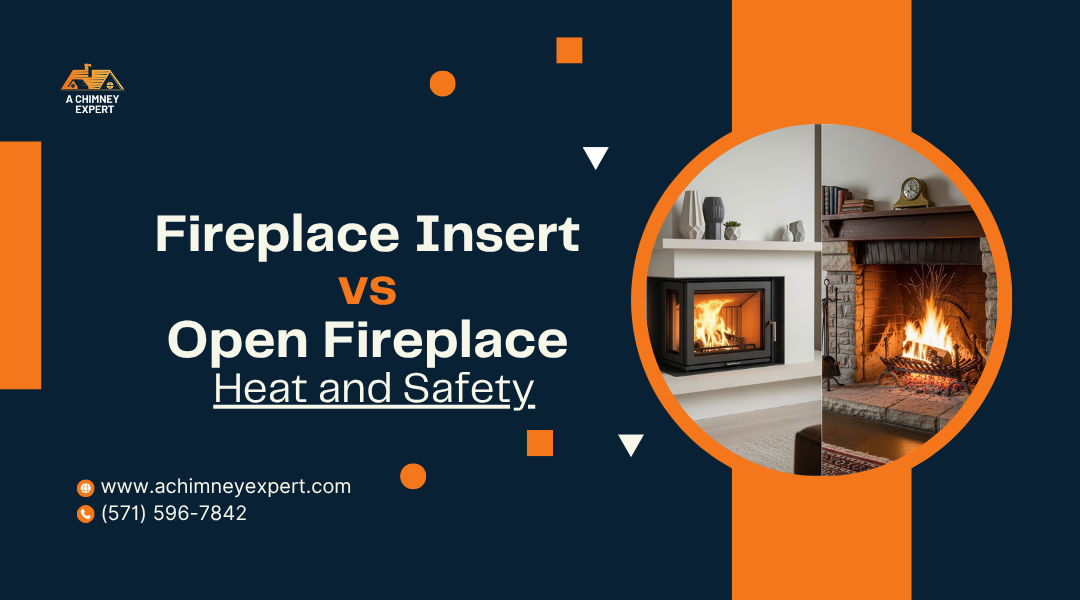
If you rely on your fireplace for warmth, the type you use shapes more than just the ambiance—it defines how much usable heat stays in your home and how safely that heat is produced. A well‑installed fireplace insert provides greater heating efficiency and safety than an open masonry fireplace. The difference comes down to how each system handles combustion, airflow, and emissions.
You will see clear contrasts in performance once you compare sealed inserts that trap and circulate heat versus open hearths that send most of it up the chimney. The same design differences that improve efficiency also reduce exposure to sparks, smoke, and carbon monoxide.
As you explore how real‑world chimney service experience and long‑term maintenance data reveal these tradeoffs, you’ll gain the insight to decide which option fits your home best—whether you value modern efficiency or traditional charm.
When Fireplace Type Meaningfully Affects Outcomes
Your decision between a fireplace insert and an open, traditional fireplace makes a measurable difference in heat output, fuel use, and day-to-day safety. The impact grows when you rely on the fireplace for frequent heating, live in an older home with a masonry chimney, or value the open-flame look more than performance.
Primary Heating Use Versus Occasional Ambiance
If you depend on your fireplace as a primary or supplemental heat source, efficiency becomes the defining factor. A wood-burning fireplace insert can deliver up to 70–80% efficiency, while an open masonry fireplace often converts only 10–20% of fuel energy into usable room heat.
Because inserts form a sealed combustion chamber, more heat stays indoors instead of escaping up the flue. You can also control output through thermostats or air settings, reducing fuel waste.
For occasional or decorative use, an open traditional fireplace performs adequately and may better fit your expectations for sound, aroma, and aesthetic appeal. The trade-off is minimal heating value and more frequent adjustment to maintain a steady flame.
| Use Case | Recommended Option | Heat Retention | Maintenance Need |
|---|---|---|---|
| Daily or Zone Heating | Insert (wood, gas, or pellet) | High | Moderate |
| Decorative Occasional Fires | Traditional Open Fireplace | Low | High |
Homes With Older Masonry Chimney Structures
If your home includes an older brick or stone chimney, the fireplace type strongly affects both safety and long-term durability. Inserts use a stainless steel liner that isolates combustion gases, preventing excessive heat and moisture from damaging the existing flue tiles or mortar joints.
Without that liner, older chimneys may develop cracks or allow creosote buildup that increases fire risk. Some homeowners install inserts specifically to meet modern ventilation and code requirements while retaining the aesthetic of the original hearth.
By contrast, keeping an open hearth in an aging chimney typically means ongoing inspection and masonry repair. Draft issues and heat loss may also increase, especially in airtight houses or remodeled living spaces.
Situations Where Efficiency Or Safety Is Secondary
In certain spaces—like vacation cabins, occasional-use dens, or outdoor rooms—you may place aesthetic enjoyment above measurable performance. A traditional wood-burning fireplace offers the authentic flame, sound, and scent many people associate with comfort, even if most heat escapes through the chimney.
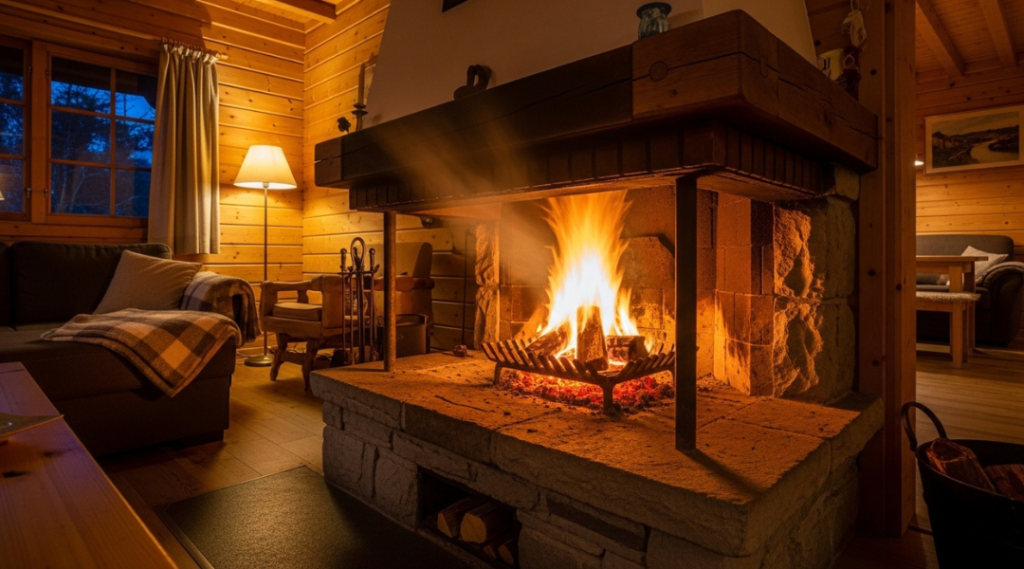
You’ll accept lower efficiency and more manual upkeep for that traditional atmosphere. Infrequent use limits the cost of lost heat, and you can manage safety with basic precautions such as spark screens, proper clearance, and regular chimney cleaning.
When efficiency and constant heat output aren’t priorities, the open design still holds functional value. It gives you flexibility to enjoy a fire on your own terms while preserving the architecture that defines the room’s character.
Combustion Efficiency And Heat Retention Differences
A fireplace’s design determines how well it burns fuel and how much heat it keeps in your home. Open fireplaces lose most of their heat through the chimney, while inserts use sealed combustion chambers and controlled airflow to retain warmth efficiently.
Open Fireplace Draft Dynamics And Heat Loss
An open fireplace operates as an open combustion system. The fire draws in large volumes of indoor air for oxygen, and most of that warmed air escapes up the chimney. This continuous airflow, called the draft effect, results in significant heat loss even when the fire isn’t burning.
Typical open fireplaces convert less than 10–15% of fuel energy into usable heat. The remainder goes out through the flue, along with indoor air that you have already paid to heat. The rising hot air pulls cold outside air into the room, creating drafts and lowering comfort levels.
Even when the fire appears strong, much of what you feel is radiant heat from the flames rather than actual heating of the room. Without insulation or barriers, the brick structure absorbs and releases heat inefficiently. For most homes, this design serves more as a decorative feature than a reliable heat source.
Insert Systems And Controlled Combustion Environments
A modern fireplace insert uses a closed combustion system designed to retain heat and burn fuel efficiently. The insert fits inside your existing hearth, sealing the fire inside a metal or cast-iron box with insulated glass doors. This design minimizes air loss and directs more heat into your living space.
Combustion inside an insert happens under controlled airflow. Many inserts include secondary combustion chambers or catalytic systems that ignite unburned particulates and gases. This process increases heating efficiency to roughly 65–80%, compared to under 15% in open fireplaces.
Because the fire burns more completely, you use less wood to achieve the same temperature. Some inserts also include blower systems that distribute warm air evenly through the room. This controlled environment provides consistent heat output with minimal wasted energy.
Role Of Sealed Chambers And Airflow Regulation
The sealed chamber of a fireplace insert plays a key role in both safety and performance. The airtight doors reduce oxygen intake and prevent sparks or embers from escaping. This limits the formation of creosote, a flammable residue that accumulates in chimneys.
Airflow control allows you to adjust burn rate and temperature precisely. When you reduce incoming oxygen, the fire burns slower and lasts longer, conserving fuel. When you open the vents, it burns hotter and faster for quick warmth.
This level of control is unavailable with an open fireplace. By containing combustion and regulating airflow, inserts eliminate the steady loss of heated air through an always-open flue. The result is a steady, efficient heat source that keeps your indoor air warmer and reduces wasted energy.
Safety Exposure And Failure Points Compared
When comparing open fireplaces and inserts, safety depends on how combustion residues, airflow management, and heat containment are handled. You face different risks with each system, from creosote accumulation to unintended smoke release and material heat stress near combustible surfaces.
Creosote Buildup Patterns In Open Versus Insert Systems
Creosote forms when unburned vapors from firewood cool and condense inside the chimney. Open fireplaces typically burn less efficiently, allowing more smoke and particulates to reach cooler flue walls. This accelerates creosote buildup, which becomes a serious fire hazard if not cleaned regularly.
Fireplace inserts, by contrast, operate as sealed combustion units. Their controlled air intake maintains higher combustion temperatures, which burn gases more completely. As a result, less creosote develops, and what does form is usually lighter and easier to remove. You still need annual cleaning, but intervals between deposits are longer.
A simplified comparison helps clarify the difference:
| System Type | Burn Efficiency | Creosote Accumulation | Cleaning Frequency |
|---|---|---|---|
| Open Fireplace | Low | Heavy, flaky deposits | High (every few months) |
| Fireplace Insert | High | Minimal, fine soot | Moderate (annually) |
If you regularly use seasoned firewood and maintain adequate airflow in an insert, the chimney’s interior remains much cleaner, minimizing ignition potential.
Smoke Spillage And Backdraft Risk Conditions
In open fireplaces, air movement within the room has a direct influence on smoke flow. Any negative indoor pressure—from exhaust fans or tightly sealed windows—can cause backdrafting, where smoke spills into the living space. This exposes you to carbon monoxide and fine particulate matter. Draft issues become worse on windy days or in homes without proper chimney height or insulation.
Inserts contain the combustion process behind glass doors and sealed flue liners, creating a balanced draft independent of room pressure. Fans or vents direct combustion gases through a narrow outlet, reducing backflow risk. You gain the advantage of consistent draw even during strong exterior gusts.
If you burn wood or pellets in an enclosed insert, smoke rarely escapes into the room unless a venting fault or poor maintenance disrupts normal pressure balance.
Heat Transfer And Clearance Implications
An open fireplace radiates heat directly into the room but also allows a large portion to escape through the chimney. The open exposure means nearby materials face higher radiant temperatures, increasing the chance of scorching or structural damage over time. Combustibles placed within three feet of the opening—rugs, drapes, or furniture—are particularly vulnerable.
Inserts localize combustion heat within a metal firebox and often use fans to circulate warm air through the room. The exterior surface stays cooler, drastically lowering fire exposure around the hearth. Proper installation with liner insulation and required clearance spacing ensures safe operation, even when burning long periods.
By transferring heat through a controlled system, inserts provide efficient warmth without excessive radiant stress on surrounding walls or flooring. This containment design represents one of the key advantages of fireplace inserts in everyday use.
Interpreting Tradeoffs Between Efficiency, Safety, And Maintenance
Improving heating efficiency often introduces additional mechanical parts, venting systems, and cleaning tasks. You must weigh higher output and safety features against the cost, effort, and technical complexity of maintaining that performance.
Higher Efficiency Versus System Complexity
Fireplace inserts—especially wood, gas, and pellet models—operate at 70–80% efficiency, while open fireplaces lose most of their heat up the chimney. The gain comes from sealed combustion chambers that capture more energy from each burn. This design makes inserts effective heating systems rather than decorative features.
However, achieving those gains means managing airflow control, liner installation, and regular gasket checks. Each system relies on tight seals and consistent vent performance.
If a blower fan or gasket fails, efficiency drops quickly.
Gas inserts simplify daily use with thermostatic control and electronic ignition, yet they still depend on safe gas line connections and combustion chamber maintenance. By contrast, open fireplaces are easy to light but deliver minimal heat because they draw indoor air into the flue.
Tradeoff summary: higher efficiency demands more components and hands-on monitoring, while open designs provide simplicity at the expense of usable warmth.
Reduced Emissions Versus Installation Constraints
Modern inserts produce fewer emissions because they burn fuel at higher temperatures inside sealed compartments. EPA-certified wood inserts reduce smoke and particulate output dramatically compared to an open hearth.
You gain cleaner indoor air, lower creosote buildup, and fewer odor problems.
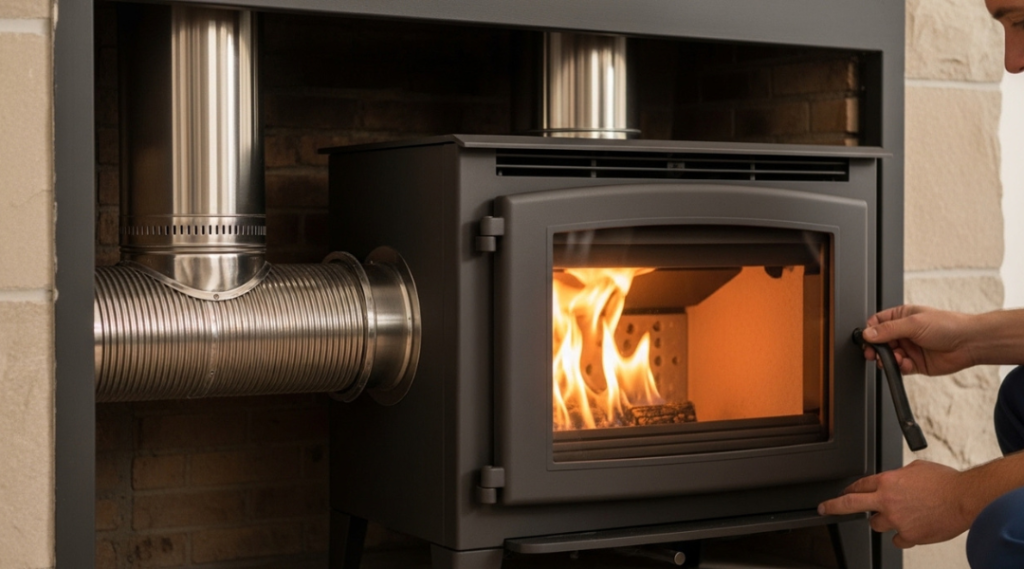
That benefit depends on correct installation. A stainless steel liner must fit the chimney, and gas fireplace inserts need venting that meets code and manufacturer clearance requirements. Improper venting can trap exhaust gases or overheat the flue.
When you retrofit an older masonry fireplace, installers often modify the flue cap or throat to accommodate the new liner system. These changes add cost and limit flexibility for future fireplace conversions. You improve efficiency and emissions, but you must accept a more constrained installation setup that requires professional attention.
Maintenance Frequency And Inspection Requirements
Each system has unique maintenance expectations that directly affect safety.
Wood and pellet inserts require annual flue cleaning, inspection of door seals, and ash removal. Gas inserts need periodic burner checks, air intake cleaning, and ventilation verification by a qualified technician.
By contrast, open fireplaces demand more frequent sweeping because of heavier soot and creosote formation. Unsealed combustion allows embers and sparks to escape, so you must monitor them closely during use.
Typical maintenance intervals:
| System Type | Inspection Interval | Common Tasks |
|---|---|---|
| Wood Insert | Yearly | Sweep flue, replace gasket, clean glass |
| Gas Insert | Yearly | Check burner, venting, pilot operation |
| Open Fireplace | Every 3–6 months (when used often) | Sweep chimney, check masonry, remove ash |
Keeping these schedules prevents smoke backup, excess creosote, and potential fire hazards. Inserts usually need fewer cleanings overall, but require attention to mechanical and venting components to stay safe.
How Long-Term Chimney Service Experience Shapes Evaluation
Years of chimney service experience reveal how materials, maintenance routines, and design choices affect long-term heating performance and safety. You gain clearer insight into which systems retain efficiency, resist corrosion, and maintain safe draft conditions with consistent use.
Observed Performance Of Stainless Steel Liner Systems
Chimney professionals often find that stainless steel liners maintain cleaner interior walls and reduce draft problems over time. Their smooth surfaces limit soot buildup, which means chimney cleaning can be done less frequently without compromising performance. Compared to older clay tile liners, steel systems adapt better to temperature changes and fuel types, especially when you run a high-efficiency insert.
You can expect stainless liners to perform best when properly insulated. Insulation helps retain flue gases’ heat, preventing condensation and creosote formation. Over years of monitoring, service records show fewer corrosion issues when homeowners schedule liner inspections and minor resealing as part of annual maintenance.
A quick comparison helps clarify key points:
| Feature | Stainless Steel Liners | Clay Tile Liners |
|---|---|---|
| Heat Retention | Excellent with insulation | Moderate |
| Creosote Resistance | High | Low |
| Lifespan (with care) | 20–30 years | 10–20 years |
| Cleaning Frequency | Lower | Higher |
Inspection Depth Differences Between Open And Insert Setups
Chimney inspections differ depending on whether you use an open fireplace or a sealed insert. Open fireplaces allow visible checks of the firebox and smoke chamber but limit what you can see higher in the flue. Inserts, however, conceal key areas behind metal surrounds, requiring specialized tools and partial disassembly for proper assessment.
You often need a Level 2 inspection when changing from open to insert systems because installers must verify liner fit, clearances, and draft behavior. Technicians use cameras to examine liner joints, baffle plates, and connector pipes that can’t be reached during routine chimney cleaning. These detailed methods ensure that combustion gases vent safely and that no blockages or gaps reduce airflow efficiency.
This deeper evaluation may take more time, but it helps track heat loss and early metal fatigue—issues unnoticed in traditional open-hearth reviews.
Failure Patterns Seen Across Decades Of Chimney Use
Over extended experience, service technicians note repeat patterns in system wear. Open fireplaces commonly show mortar joint erosion, flue cracking, and loose dampers caused by intense temperature swings and moisture exposure. You might also see heavy creosote layers if wood is burned at low temperatures or if cleaning intervals stretch too long.
Insert systems show different issues. Their sealed designs reduce soot escape but can trap heat near the liner if airflow is restricted. Technicians often find warped baffles or blower corrosion in units with inadequate airflow or poor cleaning access. Regular inspection of fans and vent paths keeps these failures from spreading.
Decades of use demonstrate that consistent chimney service—including inspection, cleaning, and part replacement—prevents major structural failures. The data from long-term observation supports investing in proper liners, scheduled maintenance, and precise installation to maintain both safety and heat efficiency.