Choosing a chimney company in Northern Virginia requires more than a quick online search and a phone call. The difference between a qualified professional and a problematic contractor can affect your home’s safety, your repair costs, and whether the work actually solves the underlying issue. Before you hire anyone to inspect, clean, or repair your chimney, you need to recognize the warning signs that separate credible service providers from those who cut corners or misrepresent their capabilities.
Chimney work involves structural integrity, fire safety, and ventilation systems that directly impact your family’s well-being. A professional chimney sweep should carry proper certifications, maintain full insurance coverage, and provide transparent communication about what your system needs. Many homeowners assume all chimney companies operate with the same standards, but that assumption leaves you vulnerable to inflated quotes, incomplete repairs, and service gaps that create long-term problems.
This guide walks you through the specific red flags that indicate a company may not deliver the quality or safety you expect. You’ll learn what certifications actually mean, how to evaluate service scope accurately, and which operational patterns suggest a provider may not meet your needs. Understanding these factors before you commit protects both your investment and your home.
What You Will Understand Before Choosing a Chimney Company
Before you hire a chimney company, you need to understand what separates qualified professionals from unreliable contractors. Your chimney maintenance requires trained technicians who follow established safety standards.
Essential Certifications and Memberships
Look for companies with professionals certified by recognized organizations. The National Chimney Sweep Guild (NCSG) and Chimney Safety Institute of America (CSIA) set industry standards for training and safety. These certifications indicate that technicians have completed formal education and maintain ongoing knowledge of best practices.
You should verify that any company you consider carries proper insurance and workers’ compensation coverage. This protects you from liability if accidents occur on your property during service calls.
Documentation Standards
Professional chimney companies provide written reports and photographs after inspections. This documentation gives you a clear record of your chimney’s condition and any recommended repairs. Without proper documentation, you cannot verify the work performed or track maintenance history.
Business Verification
Check that the company maintains a physical business address rather than using a PO box or virtual office. Review their online presence including their website, business listings, and customer reviews. Read reviews carefully for specific details about services provided rather than vague praise.
Your state likely maintains business registration records you can search online. Confirm the company operates legally and maintains good standing before you schedule any services.
When Chimney Company Selection Carries Real Risk
Not all chimney work poses the same level of risk to your home or family. Homes with aging masonry, frequently used fireplaces, or systems requiring structural repairs demand higher expertise and accountability from the companies you hire.
Older Masonry Chimneys Common in Loudoun County Homes
Many Northern Virginia homes built before the 1990s feature brick and mortar chimneys that have weathered decades of freeze-thaw cycles. These older systems often hide deteriorating mortar joints, cracked crowns, and interior flue damage that aren’t visible from ground level.
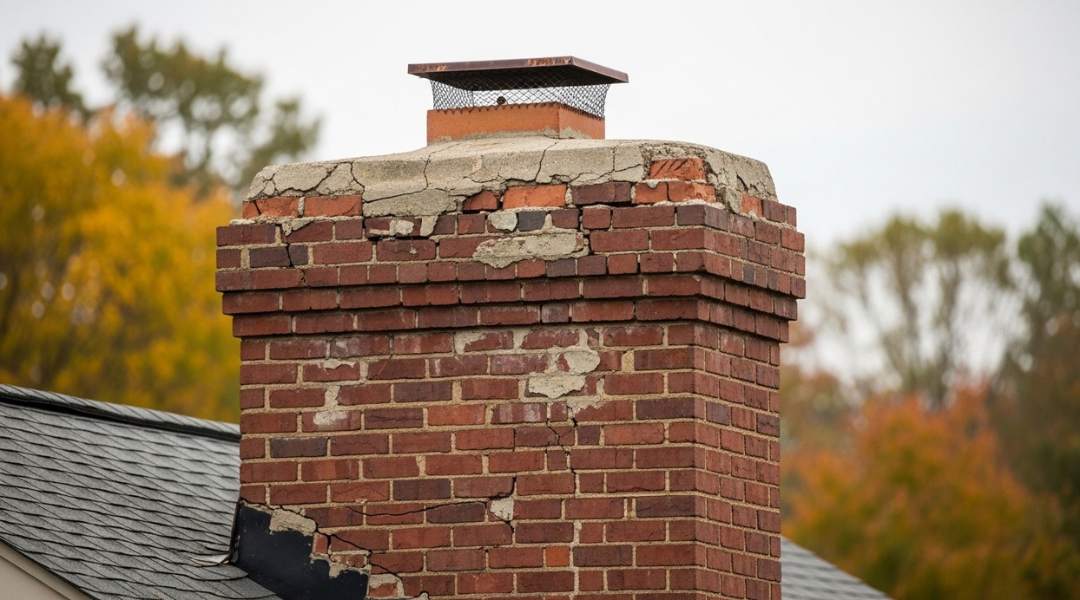
When you hire an unqualified company to work on these structures, they may miss critical safety issues during inspections or make repairs that don’t address root causes. A company without proper masonry training might apply surface patches that fail within months rather than rebuilding compromised sections.
Common problems in older chimneys include:
- Spalling bricks from moisture infiltration
- Deteriorated chimney crowns allowing water entry
- Missing or damaged flue liners
- Weakened structural support at the roofline
Your chimney safety depends on someone who can accurately assess these conditions and recommend appropriate repairs rather than quick fixes.
High-Use Fireplaces Versus Decorative Systems
You face different risks if you burn fires weekly throughout winter compared to lighting your fireplace twice per year. High-use systems accumulate creosote faster, experience more thermal stress, and require more frequent maintenance to remain safe.
A fireplace you use regularly demands thorough annual inspections and professional cleaning. If you select a company that rushes through inspections or skips video documentation of your flue interior, they may miss dangerous creosote buildup or structural cracks.
Gas fireplaces used primarily for ambiance carry lower immediate risks but still require proper inspection of venting systems and gas connections. Even these decorative systems can develop carbon monoxide hazards if serviced incorrectly.
When Relining or Structural Repair Changes Risk Level
Standard chimney sweeps can handle routine cleaning and minor maintenance. Relining your chimney or addressing structural damage requires specialized expertise and proper insurance coverage.
Relining projects involve:
- Removing old deteriorated liners
- Installing new stainless steel or cast-in-place systems
- Ensuring proper sizing for your heating appliance
- Meeting current building codes and safety standards
If a company damages your roof during liner installation or installs an improperly sized liner, you could face house fires, carbon monoxide poisoning, or tens of thousands in repair costs. You need written contracts, proof of liability insurance, and workers’ compensation coverage before anyone starts this level of work. Companies offering unusually low bids on structural repairs often lack the skills or insurance to protect you if something goes wrong.
Where Service Scope Gets Misinterpreted
Misunderstanding what each chimney service actually covers leads to frustration, unexpected costs, and incomplete solutions. Companies sometimes blur the lines between cleaning, inspection, and repair—either through unclear communication or deliberate ambiguity—leaving you paying for services that don’t address your actual needs.
Cleaning Versus Inspection Versus Repair Boundaries
Chimney cleaning removes creosote, soot, and debris from your flue. This is a maintenance task, not a diagnostic service. The sweep will clear buildup but won’t necessarily examine structural integrity or hidden damage.
Chimney inspection evaluates the condition of your system. Level 1 inspections are basic visual checks, while Level 2 and 3 involve more thorough assessments including cameras or structural examination. You need an inspection when buying a home, after weather events, or if you’re changing fuel types.
Chimney repairs fix identified problems—cracked crowns, damaged flashing, deteriorated mortar. These require separate pricing from cleaning or inspection. Some companies bundle a basic visual check with cleaning but call it an “inspection” when it doesn’t meet industry standards.
You should receive clear documentation stating which service you’re purchasing. If a company offers only vague descriptions or refuses to specify the inspection level, you’re likely dealing with scope confusion that will cost you later.
Why Relining Is Often Misdiagnosed or Delayed
Chimney relining costs thousands of dollars, making it a target for both unnecessary upselling and dangerous underreporting. Your flue liner protects your home from heat and combustion gases, but assessing its condition requires proper inspection equipment.
Companies without video inspection tools may miss deterioration inside the flue. Others recommend full relining when targeted repairs would suffice. Some deliberately avoid mentioning liner issues during basic cleanings because addressing them requires specialized skills they don’t possess.
Relining becomes necessary when:
- Clay tiles show cracks or missing sections
- Metal liners corrode through
- You convert from one fuel type to another
- Significant chimney fires have occurred
Request documentation of any liner damage through photos or video footage. A legitimate diagnosis includes the specific location and extent of deterioration, not vague warnings about “potential problems.”
Limits of Basic Sweep Services in Complex Systems
Standard chimney cleaning works for straightforward masonry chimneys with single flues. Your system may exceed these parameters without you realizing it. Multi-flue chimneys, prefabricated fireplaces, and combination systems (fireplace plus furnace vent) require specialized knowledge.
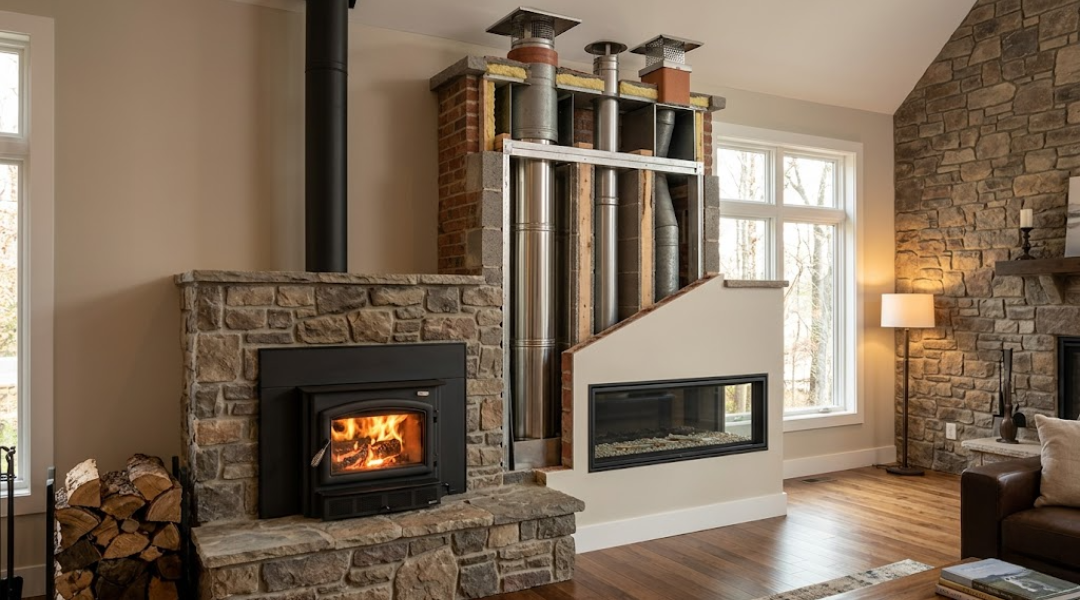
Basic sweep services typically don’t include appliance inspection, damper repair, or work above the roofline beyond the crown. If you have a wood stove insert, gas logs, or a pellet stove, standard cleaning may not address manufacturer-specific maintenance requirements.
Northern Virginia homes often feature custom fireplace installations or updated heating systems that complicate servicing. A company should identify these complexities upfront and either bring appropriate expertise or refer you to specialists. When they proceed with inadequate skills or equipment, you end up with incomplete service that creates safety risks.
Certification, Insurance, and What They Actually Indicate
Credentials serve as verification points, but their value depends on what they measure and how they apply to your specific project. Professional certifications assess technical knowledge, while insurance protects against financial risk during service calls and repairs.
What CSIA Certification Validates in Real Inspections
The Chimney Safety Institute of America (CSIA) requires technicians to complete coursework covering building codes, chimney physics, venting systems, and creosote science before taking a comprehensive exam. Certified sweeps must also pass an ethics review and agree to a professional code of conduct.
This training equips them to identify structural damage, improper venting, and fire hazards during inspections. They understand how draft systems function and what causes backdrafting in different chimney types, including masonry, factory-built metal, and wood stove installations.
CSIA certification expires every three years. Maintaining it requires either retaking the exam or completing continuing education credits, which keeps technicians current on updated safety standards and inspection techniques.
You can verify any technician’s certification status through the CSIA website using their lookup tool. Legitimate certified professionals display the CSIA badge on their website, vehicle, or business materials.
Insurance Coverage in Relation to Property Damage Risk
General liability insurance covers damage to your property during chimney work. This includes accidents like cracked masonry from improper tool use, water damage from equipment, or structural issues caused during cleaning or repair.
Workers’ compensation insurance protects you from liability if a technician is injured on your property. Without this coverage, you could face legal claims for medical expenses or lost wages.
Request proof of both policies before any work begins. Valid insurance certificates should list the company name, policy numbers, coverage amounts, and expiration dates. Contact the insurance provider directly if you need to verify active coverage.
Companies that hesitate to provide insurance documentation or offer vague responses often operate without adequate protection. This transfers financial risk directly to you as the homeowner.
Why Credentials Alone Do Not Guarantee Workmanship
Certification demonstrates that a technician passed an exam at a specific point in time. It does not measure their communication skills, attention to detail, or commitment to thorough work.
Some certified sweeps rush through inspections to maximize daily appointments. Others may hold credentials but lack practical experience with the specific chimney type or issue your home presents.
Insurance protects against accidents but says nothing about service quality. A fully insured company can still provide incomplete inspections, miss safety hazards, or recommend unnecessary repairs.
Review customer feedback about actual service experiences, not just credential listings. Look for patterns in reviews about thoroughness, communication, and follow-through on quoted work.
Red Flags That Signal Operational Gaps
Operational shortcuts tell you a company prioritizes speed or profit over thoroughness. These gaps often appear as missing inspection steps, artificially low pricing that excludes necessary work, or warranties that fail to protect you when components fail.
Incomplete Inspection Processes or Skipped Levels
A legitimate chimney company follows NFPA 211 inspection standards, which define three levels based on the depth of evaluation required. Level 1 covers routine visual checks for systems in regular use. Level 2 adds camera scanning and is required when you’re buying a home, after a chimney fire, or when you’ve changed fuel types. Level 3 involves removing portions of the chimney structure to assess hidden damage.
Door-to-door scams frequently skip these protocols entirely. A contractor who knocks unannounced, performs a “free inspection” in 10 minutes, and immediately identifies thousands in repairs is using scare tactics. Legitimate inspections produce written reports with photos, specific findings tied to code sections, and clear urgency classifications.
If your quote doesn’t specify which inspection level was performed, ask directly. Fraudulent chimney companies avoid documentation because it creates accountability. A company that rushes through or skips camera scanning on a Level 2 inspection misses offset flue tiles, cracked liners, and prior fire damage that are only visible with a camera.
Low-Cost Quotes That Ignore Liner or Insulation Needs
When one quote is significantly lower than others, the gap usually reflects excluded scope. Relining jobs require liner material, insulation wrap, top and bottom fittings, and labor for installation. A quote that lists only “chimney liner installation” without breaking out insulation or termination components is incomplete.
This is a common bait and switch tactic. The initial price gets you to say yes. Once the crew arrives and opens the chimney, they “discover” that insulation is required for code compliance and add $1,500 to the bill. The work can’t proceed without it, and you’re mid-project with limited options.
Ask every company to itemize liner diameter, insulation type, warranty coverage, and whether the price includes permits. IRC Section R1003.18 requires specific clearances between the liner and combustible framing. Meeting that code often requires insulation, especially in older chimneys with tight chases. A quote that ignores insulation is either uninformed or deliberately incomplete.
Vague Warranties on High-Risk Components Like Relining
Relining a chimney costs between $2,500 and $7,000 depending on liner type, height, and access. A warranty should specify what is covered, for how long, and under what conditions. Exaggerated damage assessments are often paired with short or conditional warranties that shift risk back to you.
Red flags include “lifetime warranty on materials only,” which excludes labor. If the liner fails in year three, you pay the removal and reinstallation cost. Another warning: warranties that void if you don’t use the company’s annual sweep service. This locks you into their pricing and creates a compliance burden you may forget.
Ask for warranty terms in writing before you sign. A legitimate company provides separate coverage periods for materials and labor, both stated in years. If the warranty document uses phrases like “normal use” or “proper maintenance” without defining them, those terms give the company discretion to deny your claim.
How Long-Term Service Standards Shape Expectations
A chimney company’s commitment to long-term service standards directly affects the quality of work you receive and the protections you have years after installation. Companies that back their work with substantial warranties and maintain consistent service protocols demonstrate a fundamentally different approach than those focused on quick, one-time jobs.
Impact of Stainless Steel Liner Systems With Lifetime Warranties
When a chimney company offers lifetime warranties on stainless steel liner installations, they’re making a measurable commitment to their workmanship and materials. This warranty structure means the company expects to remain in business for decades and will use quality materials that won’t fail prematurely.
A lifetime warranty typically covers manufacturing defects and installation issues, though you should verify what’s specifically included. Companies offering these warranties usually require professional installation by certified technicians and may specify annual inspection requirements to maintain coverage.
The presence of a lifetime warranty indicates the company has established relationships with reputable manufacturers and follows strict installation protocols. Without this warranty backing, you may face replacement costs of $3,000 to $7,000 if a liner system fails due to poor installation or substandard materials. Companies unwilling to warranty their liner work beyond a year or two often use thinner gauge steel or shortcuts in installation that compromise system longevity.
Consistency Required Across Cleaning, Repair, and Relining Work
Your chimney company should maintain identical service standards whether performing a $200 cleaning or a $5,000 relining project. This consistency reveals how the business operates when stakes and profit margins vary significantly.
A company with strong service standards will send certified technicians to every job, provide written documentation for all work, and follow the same safety protocols regardless of project size. You should receive the same level of communication and professionalism during chimney sweep services as you would during complex chimney repair work.
Watch for companies that assign experienced crews only to large projects while sending inexperienced technicians to routine cleanings. This inconsistency suggests the company prioritizes revenue over service quality. The inspection performed during a basic cleaning should be just as thorough as one conducted before a major repair, since both situations require identifying potential hazards and structural issues.
Why Decades of Regional Service Change Inspection Depth
Chimney companies with 20 or 30 years serving Northern Virginia have encountered virtually every chimney configuration, problem, and failure pattern specific to the region’s housing stock and climate conditions. This accumulated knowledge directly impacts inspection quality and repair recommendations.
A company with decades of local experience knows which brick types used in 1970s construction are prone to spalling, how freeze-thaw cycles affect specific chimney designs, and which heating appliance installations from past decades create carbon monoxide risks. They recognize problems during inspections that newer companies might miss entirely.
Long-established companies also understand local building codes and how they’ve evolved, which matters when determining if existing chimneys meet current safety standards. Their inspection reports tend to include more specific detail about problem severity and realistic timelines for addressing issues, rather than generic recommendations that apply anywhere. This regional expertise becomes especially valuable when you’re deciding between repair and rebuild options for an older chimney system.